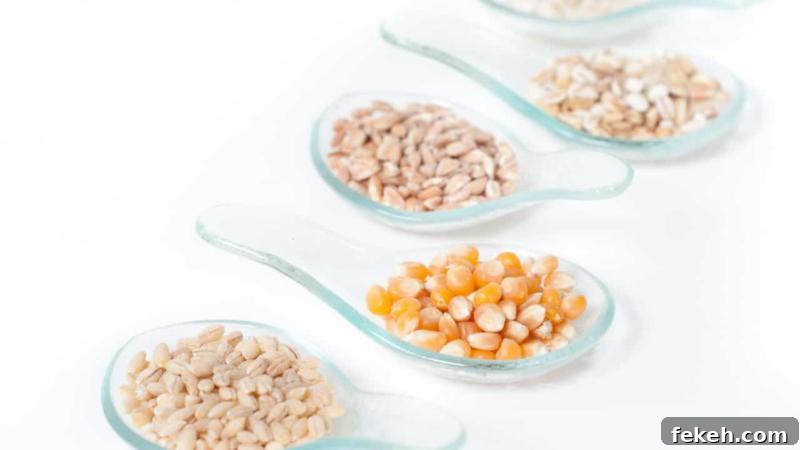
You can find many decorative and serving glass spoons for sale on sites like Amazon, but true glass eating spoons—ones intended to be used inside the mouth—are extremely uncommon. That scarcity raises a reasonable question: why aren’t glass spoons used for eating?
Why aren’t glass spoons used for eating?
Glass spoons are unsuitable for eating because they are brittle. If a diner applies too much pressure—by biting or pressing—the spoon can crack or shatter, creating sharp fragments that could cause serious injury in the mouth or throat. For safety reasons, manufacturers do not produce glass spoons intended for direct eating.
So, absolutely no glass spoon is ever meant for use in eating?
Correct. Spoons designed for eating—often called place spoons, soup spoons, or dessert spoons—are not manufactured from glass. Historically, Victorian tableware evolved from a single general-purpose spoon into specialized spoons for soup and desserts. Glass has not been adopted for these primary eating utensils because of safety and durability concerns.
Types of glass spoons
While glass eating spoons are not intentionally produced, glass spoons exist for serving, stirring, and decorative purposes. Their appeal is largely aesthetic—glasswork can be beautiful and intricate—so glass spoons are often made as task-specific items rather than general eating cutlery.
Below are several types of glass spoons you might encounter, with notes on their typical uses and limitations.
After-dinner coffee glass spoon
An after-dinner coffee glass spoon is usually short—around five inches—and primarily used for stirring coffee after dessert in informal settings. Its shorter length reduces bending stress, but even so, users should avoid banging the spoon against a cup to prevent chipping or introducing tiny glass fragments into the drink.
Chocolate glass spoon
Chocolate or cocoa glass spoons are made for stirring hot chocolate or cocoa served in a large mug. They must be sturdy enough to dissolve powder thoroughly and produce a smooth flavor, but they remain intended for stirring, not for eating directly from.
Demitasse glass spoon
Also called a mocha spoon, the demitasse glass spoon measures about four inches and is meant for stirring strong small coffees or mocha beverages. At formal meals, a demitasse spoon is used for adding sugar or gently stirring a small cup of coffee; again, it’s a stirring tool rather than an eating utensil.
Five o’clock glass spoon
Five o’clock spoons originated with silver tea services and are rarer in glass. Designed for afternoon tea—traditionally served around five o’clock—these spoons are about five-and-a-half inches long, shorter than a standard teaspoon but wider than an after-dinner coffee spoon. They serve tea-related tasks and are mostly collectible or decorative in glass form.
Iced-tea glass spoon
Iced-tea glass spoons are long, typically near ten inches, used for stirring sugar into tall, cold beverages like iced tea or iced coffee. Their length makes them delicate, so they require careful handling. Because iced tea is generally informal, these spoons are uncommon at formal events and more often found in casual or regional collections.
Salt glass spoon
Salt spoons are tiny tools once used with salt cellars. Today, salt cellars and salt spoons are rare; when present, a small glass salt spoon is used to transfer salt from a communal vessel. They are mostly decorative or used by chefs for presentation rather than everyday dining.
Glass teaspoon
Glass teaspoons measure about six inches and are intended for stirring hot drinks in casual settings. Some hosts provide them at informal gatherings, but others view them as novelty items rather than practical utensils.
Not for eating with
All of the glass spoons listed above are designed for stirring, serving, or presentation. None are meant to be placed in a diner’s mouth as the primary eating utensil—if used that way, they pose a real risk of breakage and injury.
Frequently Asked Questions About Why Glass Spoons Aren’t Used for Eating
When I search for ‘glass spoon,’ I am asked if I am over 21. Why?
This prompt appears because “glass spoon” is a colloquial term and sometimes a brand name for certain smoking pipes. Those items are age-restricted because they are often associated with smoking or drug use, so search results can trigger age verification.
Why are glass spoons so fragile?
Glass spoons can contain microscopic flaws or micro-cracks introduced during manufacture. Under stress, those imperfections can quickly propagate, causing the spoon to crack or shatter, which is why glass utensils are fragile compared with metal or ceramic alternatives.
Are glass spoons brittle or fragile?
They are both. “Brittle” describes a hard material that breaks without much deformation, while “fragile” describes something easily damaged. Glass spoons fit both descriptions: they are hard but prone to breaking under impact or pressure.
Afterword: Why aren’t glass spoons used for eating?
In short: glass spoons are not used for eating because they can shatter and create hazardous shards, making them unsafe as eating utensils. Their practical uses are limited to stirring, serving, and decorative presentation, where the risk to a diner is minimized.