Introduction
Are you looking for iron-rich foods commonly available in India? Blood delivers oxygen and nutrients throughout the body, so maintaining adequate iron intake is essential for energy production, immune function, and overall well-being. Iron is a key component of hemoglobin, the protein that gives blood its red color and carries oxygen to tissues. Low hemoglobin often causes fatigue, dizziness, headaches, and shortness of breath.
This article highlights a variety of iron-rich Indian foods you can include in your daily diet to help maintain healthy hemoglobin levels and prevent iron deficiency. Below you will find vegetarian and non-vegetarian sources, snacks, and commonly used ingredients that support iron intake.
Top Iron-Rich Indian Foods
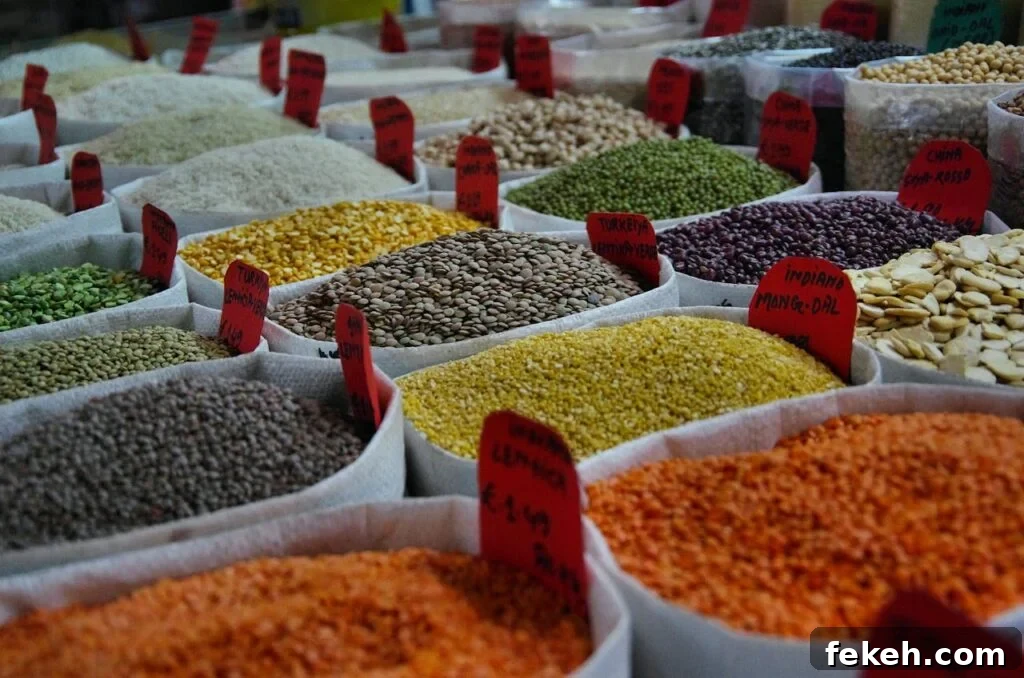
1. Legumes
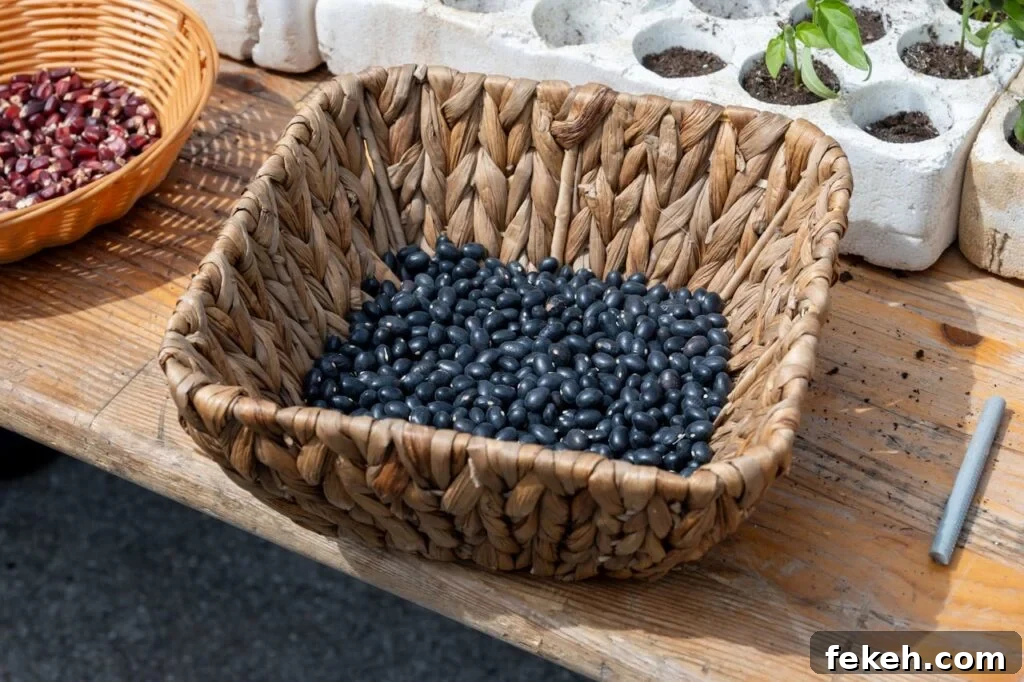
Legumes—including peas, lentils, chickpeas, soybeans, and various dry beans—are among the best plant-based sources of iron. They also provide protein, fiber, B vitamins, calcium, potassium, and zinc. Regular consumption of pulses supports heart health, aids digestion, helps manage blood sugar, and supplies non-heme iron that contributes to healthy hemoglobin.
2. Black Beans
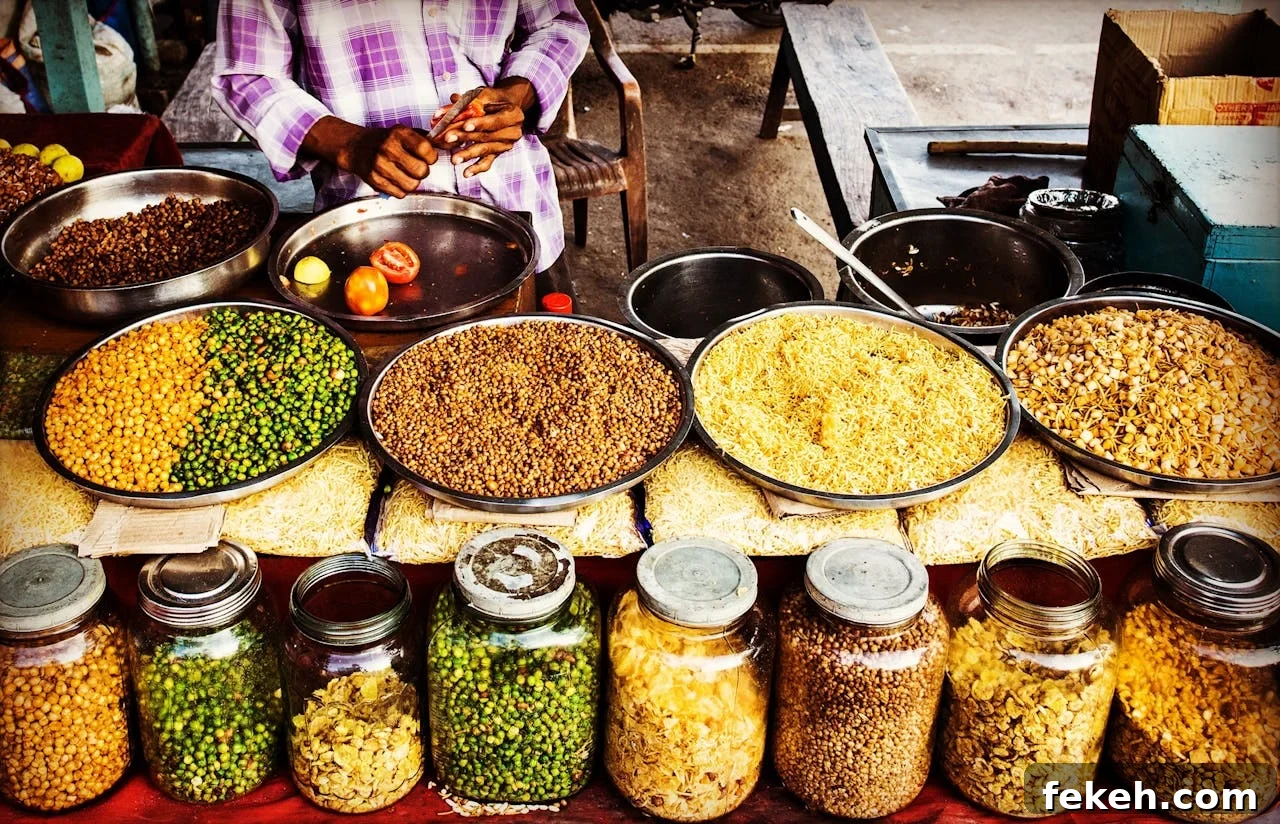
Black beans are a nutrient-dense source of iron, fiber, and plant protein. They help with energy production and support immune function. The soluble fiber in black beans also promotes heart health by helping lower cholesterol. Black beans are versatile—try them in stews, salads, or mixed rice dishes to boost your iron intake.
3. Lentils
Lentils are a staple in Indian kitchens and an excellent source of iron and protein. They supply non-heme iron, fiber, and essential nutrients, making them especially valuable for vegetarians. Include lentils in soups, dals, stews, or salads to enhance iron absorption and support healthy blood levels.
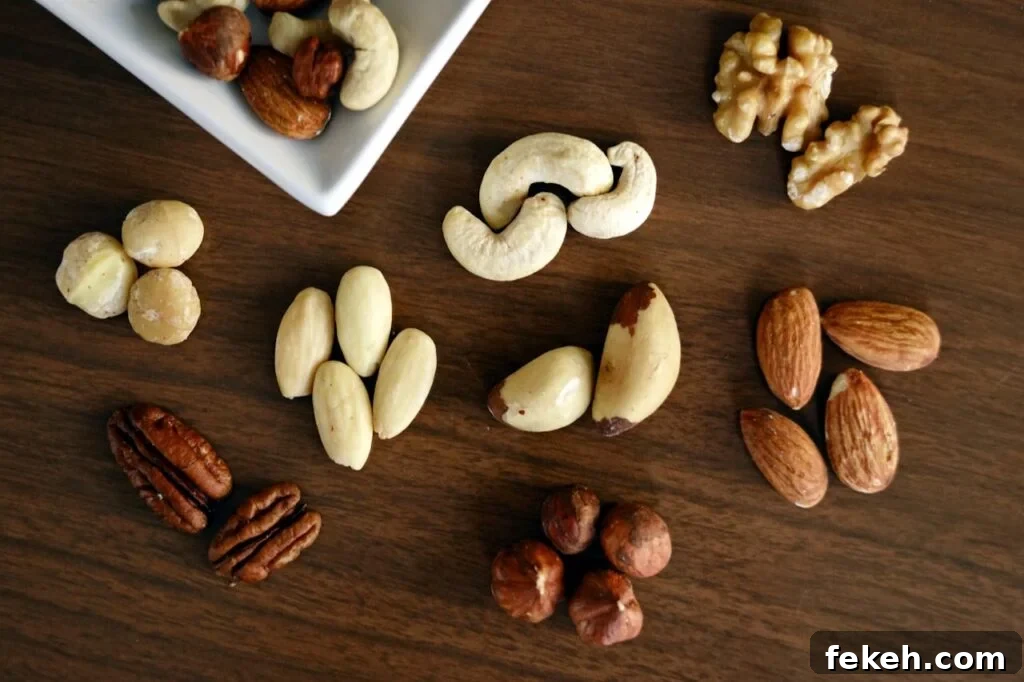
4. Dry Fruits
Dry fruits such as raisins, apricots, and dates are convenient iron-rich snacks. They contain iron, fiber, and various vitamins and minerals. Eating a small portion of mixed dry fruits in the morning or between meals is a practical way to support hemoglobin levels, especially for those who need an easy on-the-go source of nutrients.
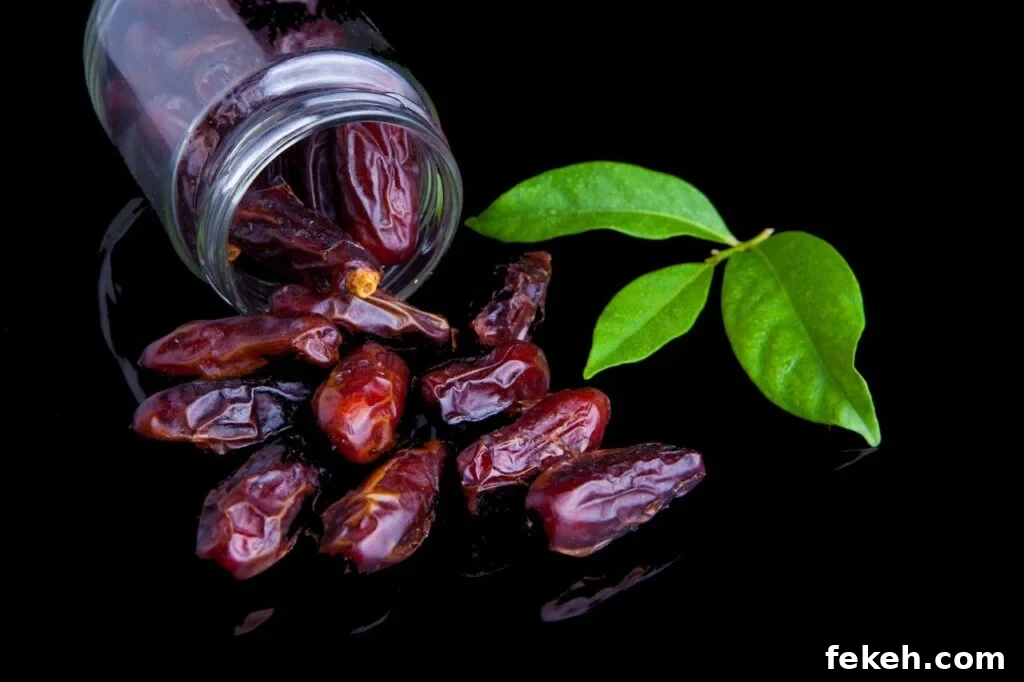
5. Dates
Dates are a popular choice for natural iron and energy. They can be eaten fresh or dried and are often used as a home remedy to help manage mild anemia. Dates also provide calories, potassium, and other micronutrients, making them a wholesome addition to snacks and desserts. Expectant and nursing mothers often include dates to help maintain hemoglobin; 100 g of dates contain roughly 1 mg of iron.
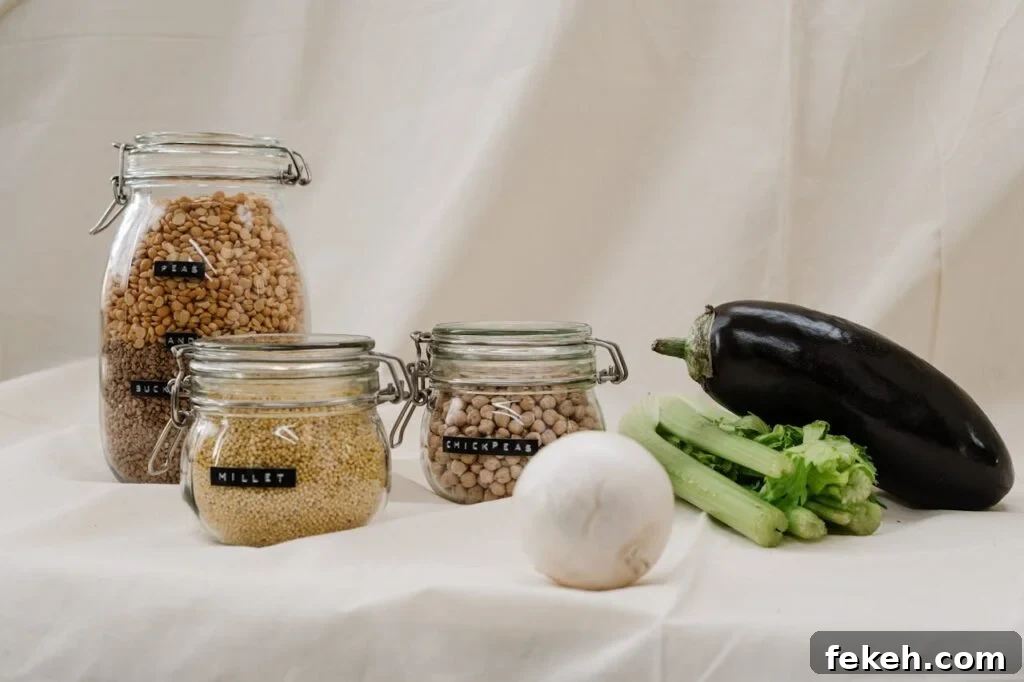
6. Millets
Millets, widely used in Indian cuisine and fasting meals, are rich in iron and other nutrients. They aid digestion, support energy production, and contribute to improved hemoglobin when included regularly. Millets are versatile and can be prepared as porridges, rotis, upma, or khichdi to increase daily iron intake.
7. Rajgira (Amaranth)
Rajgira, made from amaranth seeds, is a nutritious grain high in iron and protein. About 100 g of uncooked rajgira contains a significant amount of protein along with iron. It can be used as a cereal, in porridges, or baked into snacks and makes a smart choice for boosting iron intake in a tasty way.
8. Finger Millet (Ragi)
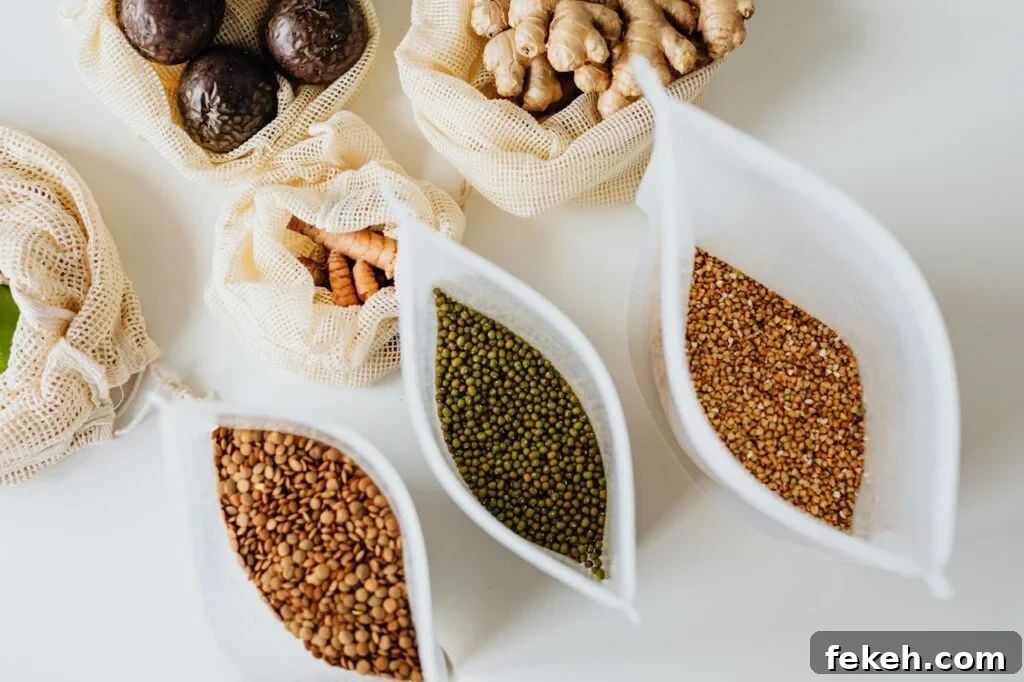
Finger millet, commonly called ragi, is an iron-rich grain packed with calcium, fiber, and essential amino acids. Regular consumption helps prevent iron deficiency and supports oxygen transport and energy levels. Ragi can be made into rotis, porridges, and healthy snacks, fitting easily into everyday meals.
9. Vegetables High in Iron
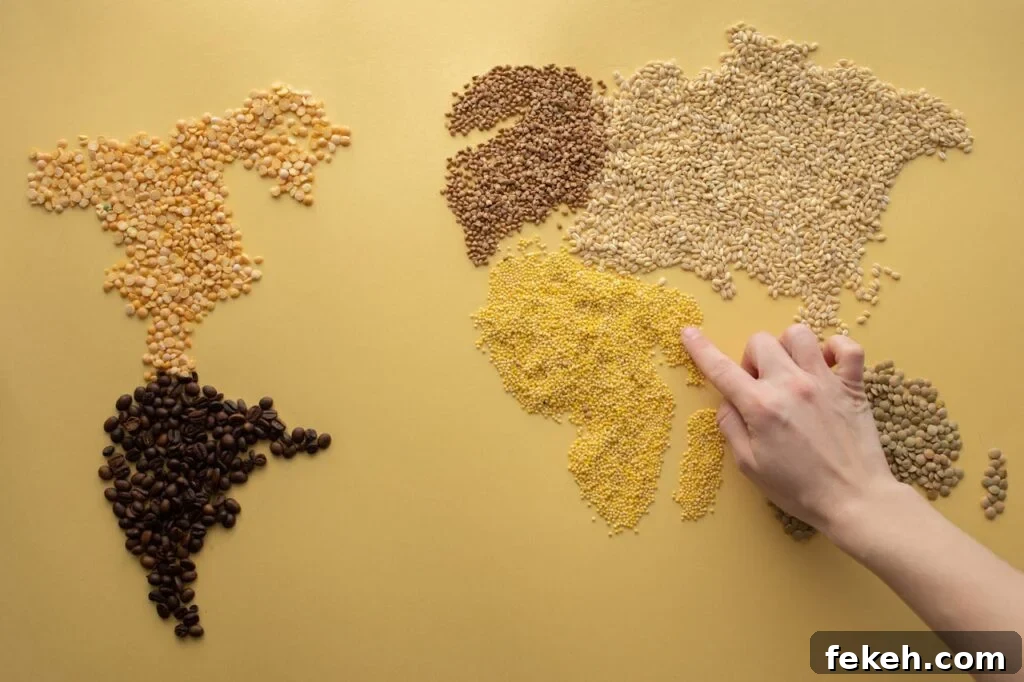
Several vegetables commonly used in Indian cooking are good sources of iron and other supportive nutrients.
Beetroot
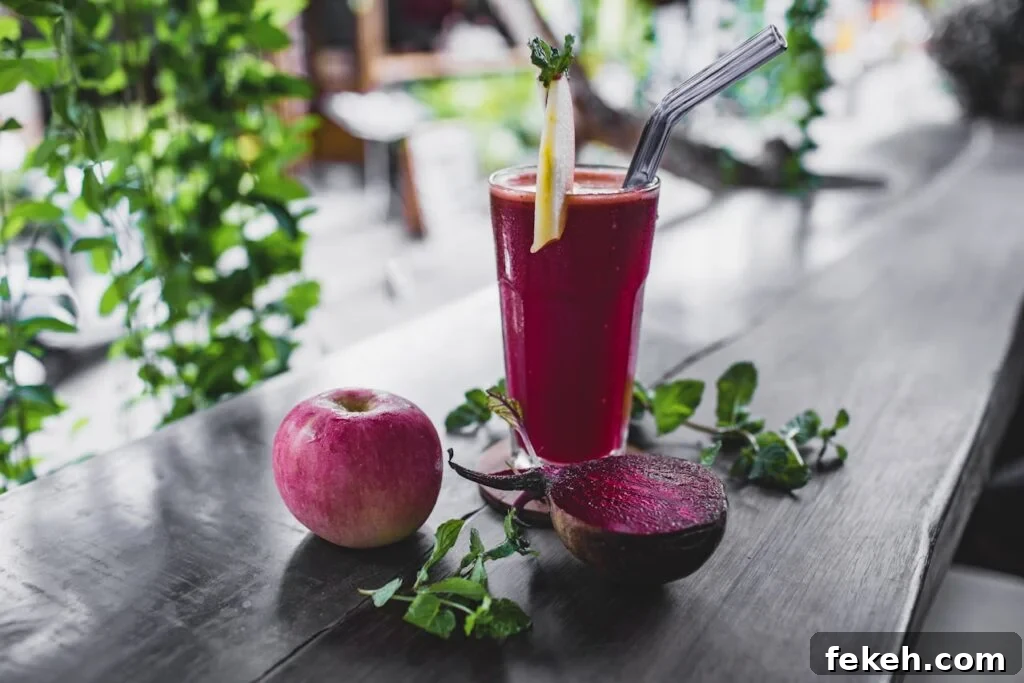
Beetroot is rich in iron, folate, fiber, and vitamin C, all of which help improve blood health and red blood cell production. It can be eaten as a curry, roasted side, or raw salad to get a quick nutrient boost.
Spinach
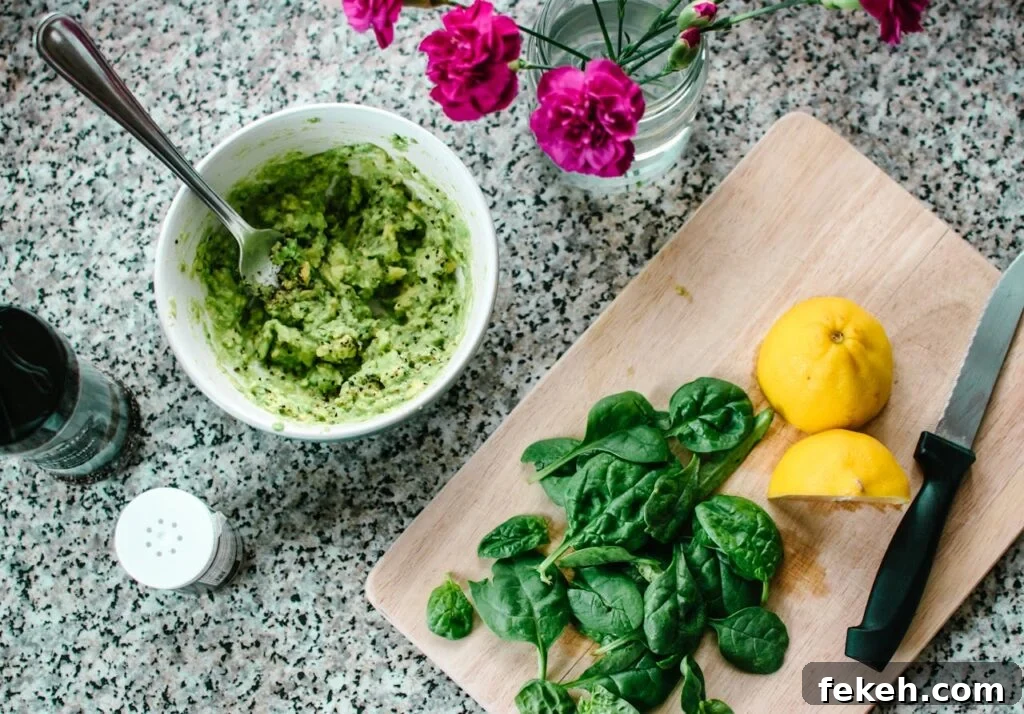
Spinach (palak) is a classic iron-rich green. It supplies iron, calcium, vitamins, and fiber, aiding oxygen transport and energy. Include spinach in curries, dals, dals with spinach, and salads to help improve hemoglobin levels.
Broccoli
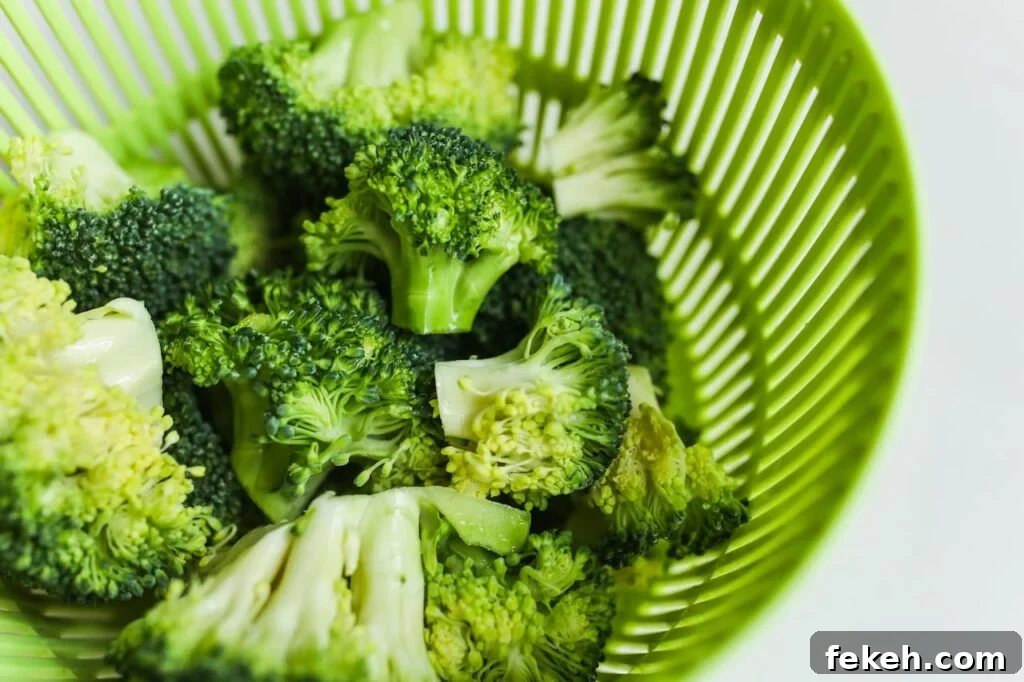
Broccoli contains iron along with vitamin C and K, supporting red blood cell synthesis and iron absorption. Use broccoli in stir-fries, salads, and mixed vegetable dishes as part of a balanced diet.
10. Non-Vegetarian Sources
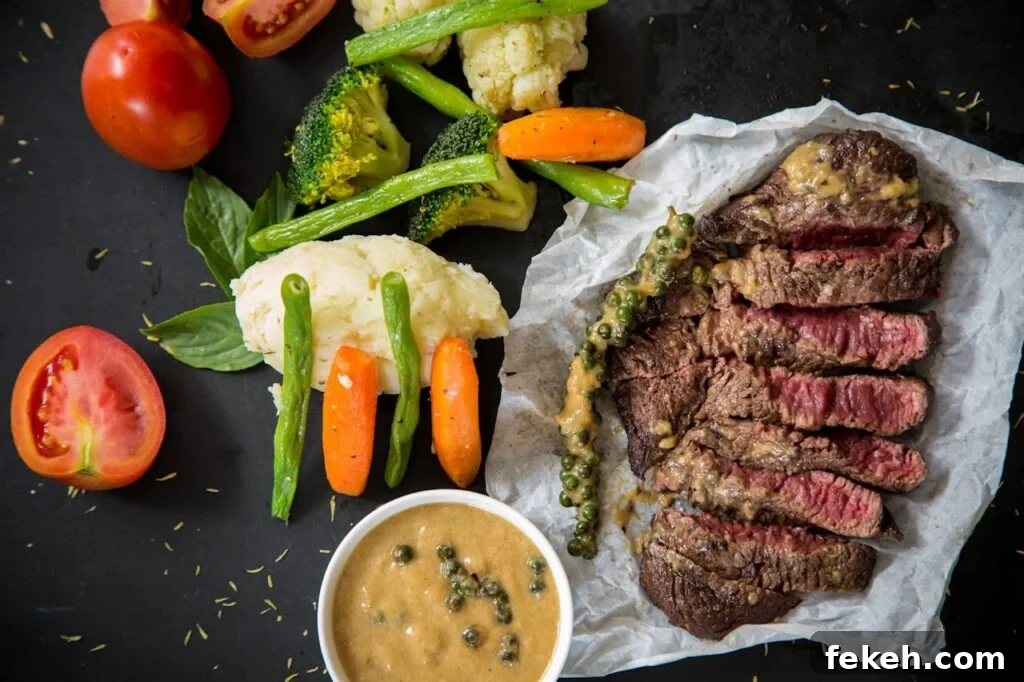
Heme iron from animal sources is absorbed more efficiently than non-heme iron from plants. Good non-vegetarian sources include beef, lamb, chicken, pork, eggs, liver, turkey, and many types of seafood. These foods not only supply iron but also provide other important nutrients that support overall health.
11. Iron-Rich Fruits
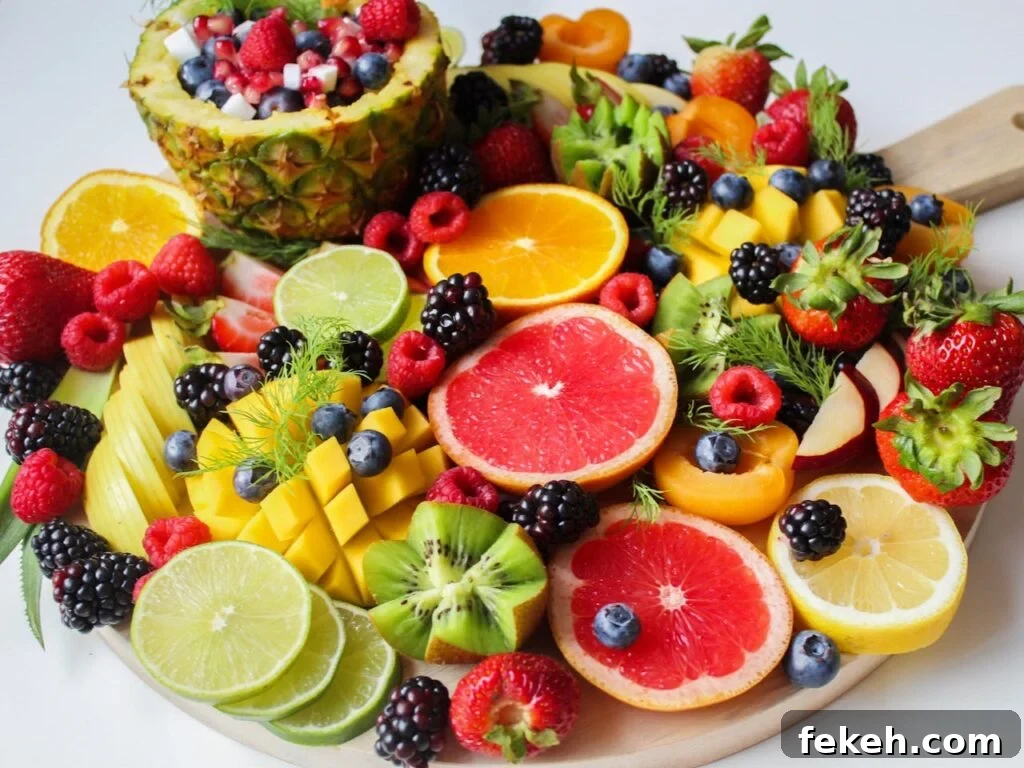
Certain fruits also contribute to iron intake and help with absorption when paired with vitamin C-rich foods. Consider strawberries, watermelon, raisins, dates, figs, dried apricots, and dried peaches. These fruits serve as convenient snacks and add variety while helping prevent iron deficiency.
FAQs: Iron-Rich Indian Foods to Increase Hemoglobin
Can I get enough iron from a vegetarian diet?
Yes. Vegetarians can obtain sufficient iron from lentils, beans, tofu, fortified cereals, leafy greens, millets, and dry fruits. Combining iron-rich plant foods with vitamin C sources improves absorption.
Are iron-rich foods necessary?
Daily iron intake is important for blood health, energy, and immune function. If diet alone is insufficient, consult a healthcare professional for guidance on supplements.
Do iron-rich foods help reduce fatigue?
Yes. Increasing iron intake can reduce fatigue and improve energy, especially when iron deficiency is the cause. Leafy greens, legumes, and meat sources are particularly effective.
What are common symptoms of iron deficiency?
Fatigue, weakness, pale skin, shortness of breath, difficulty concentrating, and decreased memory are common signs of iron deficiency.
How much iron do I need daily?
Recommended daily iron varies by age and sex. For adult men, about 8 mg/day is typical; women aged 19–50 generally need about 18 mg/day due to menstrual losses. Individual needs vary, so consult a professional if unsure.
Conclusion
Maintaining healthy hemoglobin levels is achievable by incorporating a variety of iron-rich foods into your regular meals. From legumes, millets, and dry fruits to leafy greens, beetroots, and lean meats, Indian cuisine offers many options to boost iron intake. Combine iron sources with vitamin C–rich foods to enhance absorption, and consult a healthcare provider if you suspect deficiency.
For more information about healthy cooking and nutrition, consider seeking guidance from registered nutrition professionals or local health services.