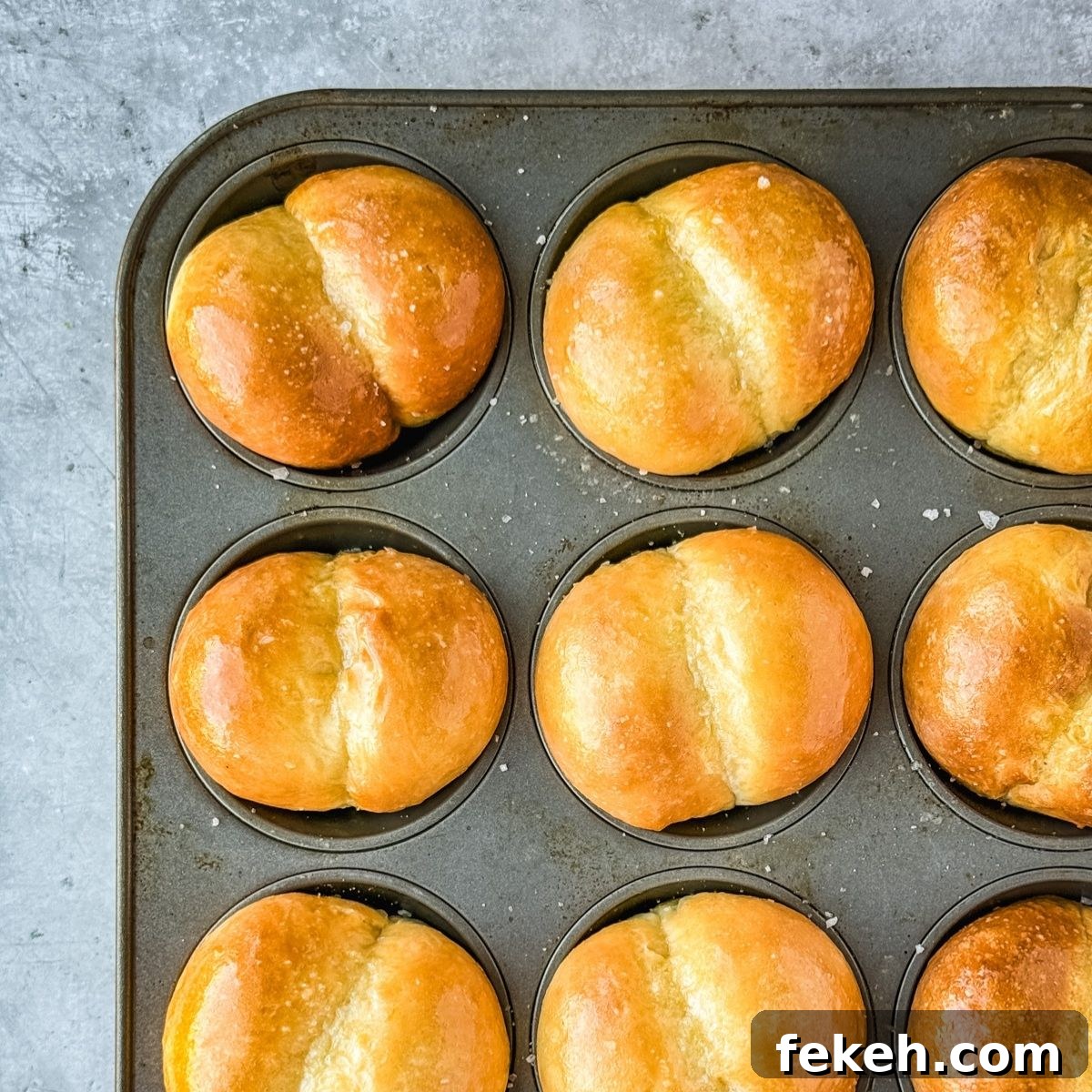
If the name didn’t catch your attention, the photos will. These Soft Buttery Double Cheeked Buns are tender, rich, and sure to be a highlight at your next meal.
They pair wonderfully with roasted mains or grilled dishes at a BBQ. This recipe is adapted from my Homemade Dinner Rolls base and can be used to make other variations such as garlic butter rolls or hamburger buns.
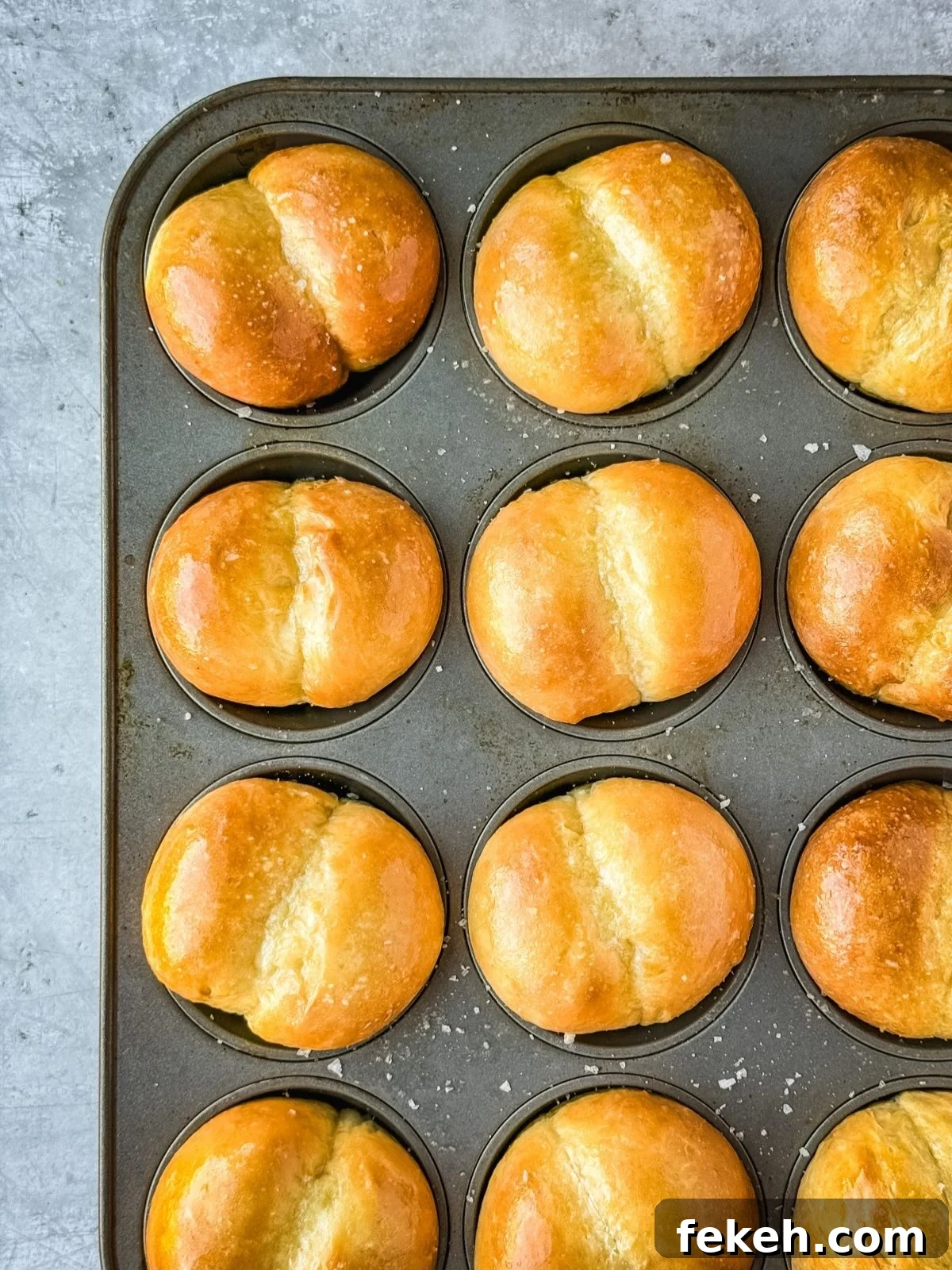
Table of Contents
- Why This Recipe Works
- Ingredients
- How to Make this Soft Buttery Double Cheeked Buns Recipe
- Expert Tips
- Recipe FAQs
- Other Baking Recipes
- Soft Buttery Double Cheeked Buns Recipe
Why This Recipe Works

- Simple to make: Basic pantry ingredients and a stand mixer (or your hands) produce fluffy, buttery buns with minimal fuss.
- Seasonless favorite: These rolls work for holidays, casual dinners, and summer gatherings — they feel appropriate any time of year.
- Wide pairing options: Serve them with soups, roasts, or spread with jam for breakfast — they complement savory and sweet dishes alike.
- Fun to assemble: Shaping the “double cheek” pairs is satisfying and results in attractive, individual buns.
Ingredients
Most of these ingredients are likely already in your kitchen. Here’s what you need to prepare the dough and the finishing touch:
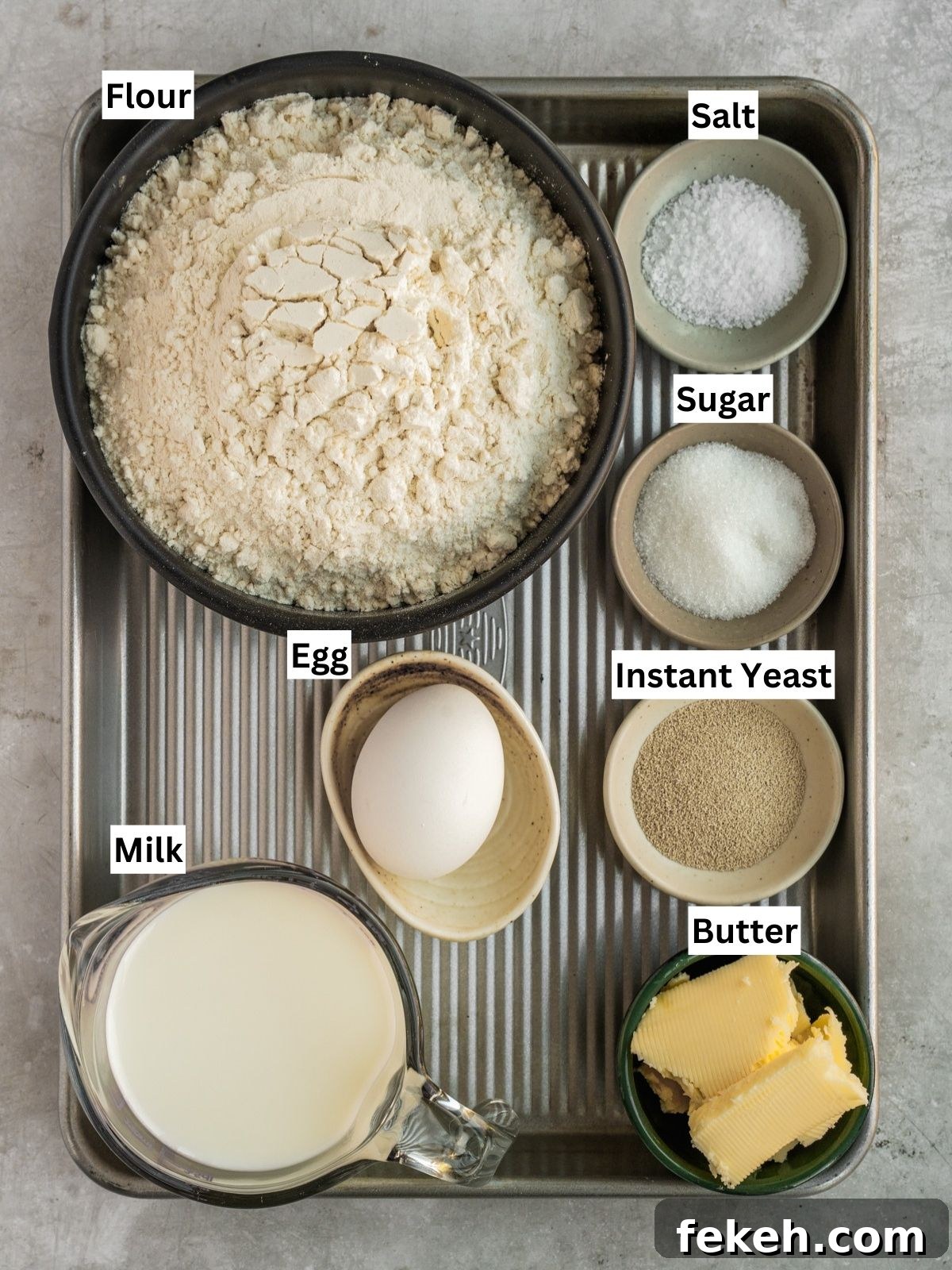
- All-purpose flour: The main structure for the buns; bread flour can be used for a chewier texture. You can replace up to half with whole wheat if desired.
- Yeast: Instant yeast is recommended because it mixes into dry ingredients and shortens prep. If using active dry yeast, bloom it in warm milk with the sugar first.
- Milk: Use whole or 2% for richness and tender crumb. Water works in a pinch but yields less richness.
See the recipe card below for the full ingredient list and exact quantities.
How to Make this Soft Buttery Double Cheeked Buns Recipe
The steps are straightforward but include two rises. Read through once before starting so you know the timing for each stage.
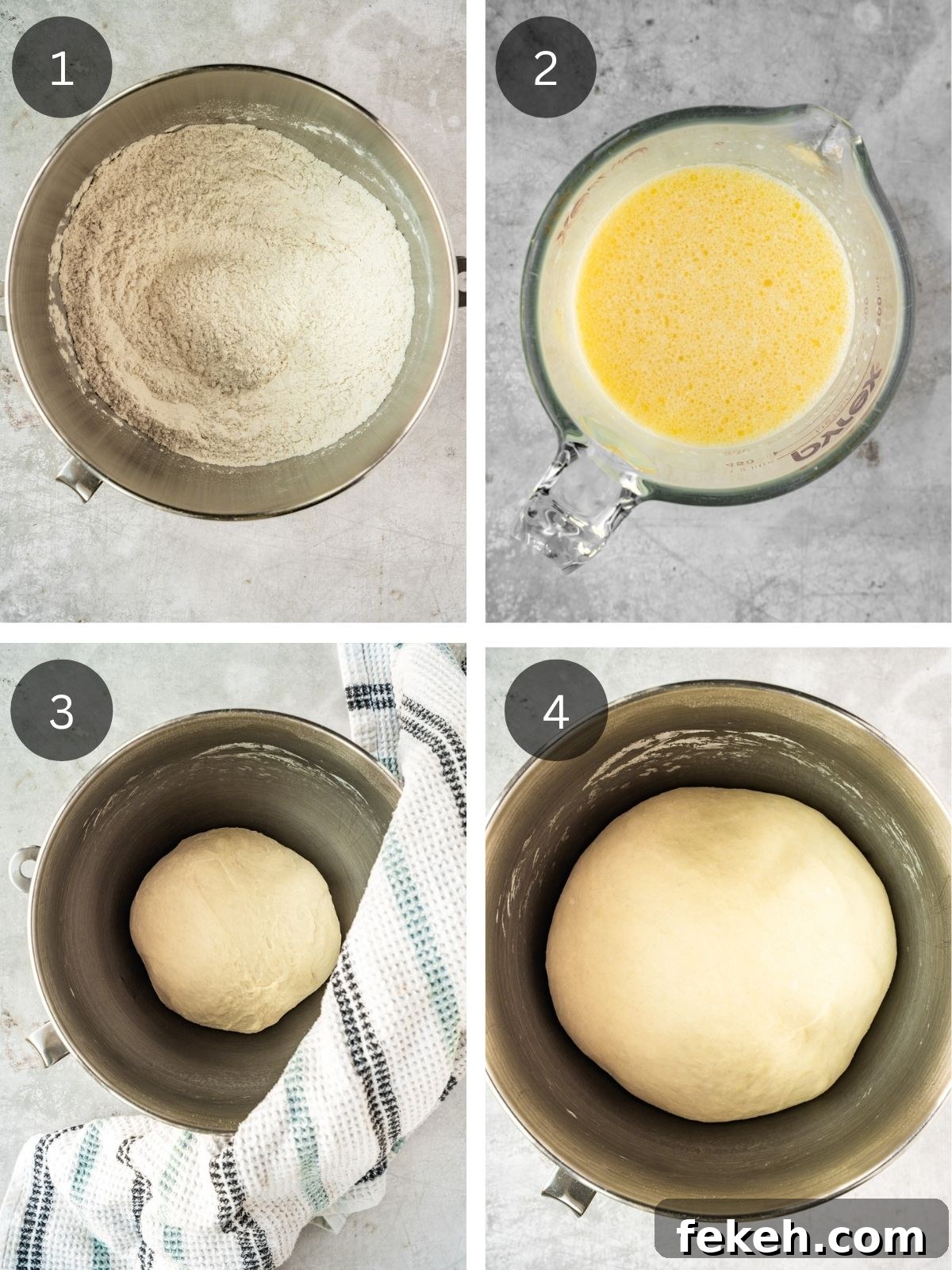
Step 1 — Add dry ingredients. In a stand mixer bowl combine flour, yeast, sugar, and salt. Mix briefly to blend. You may knead by hand if you prefer.
Step 2 — Mix wet ingredients. Whisk together lukewarm milk, cooled melted butter, and the egg.
Step 3 — Knead. Add the wet ingredients to the dry and knead with a dough hook on medium-low until a soft, slightly tacky dough forms, about 7–9 minutes. Increase speed if the dough clings to the bowl.
Step 4 — First rise. Shape the dough into a smooth ball, return to the bowl, cover, and let rise in a warm spot for about 1 hour or until doubled.
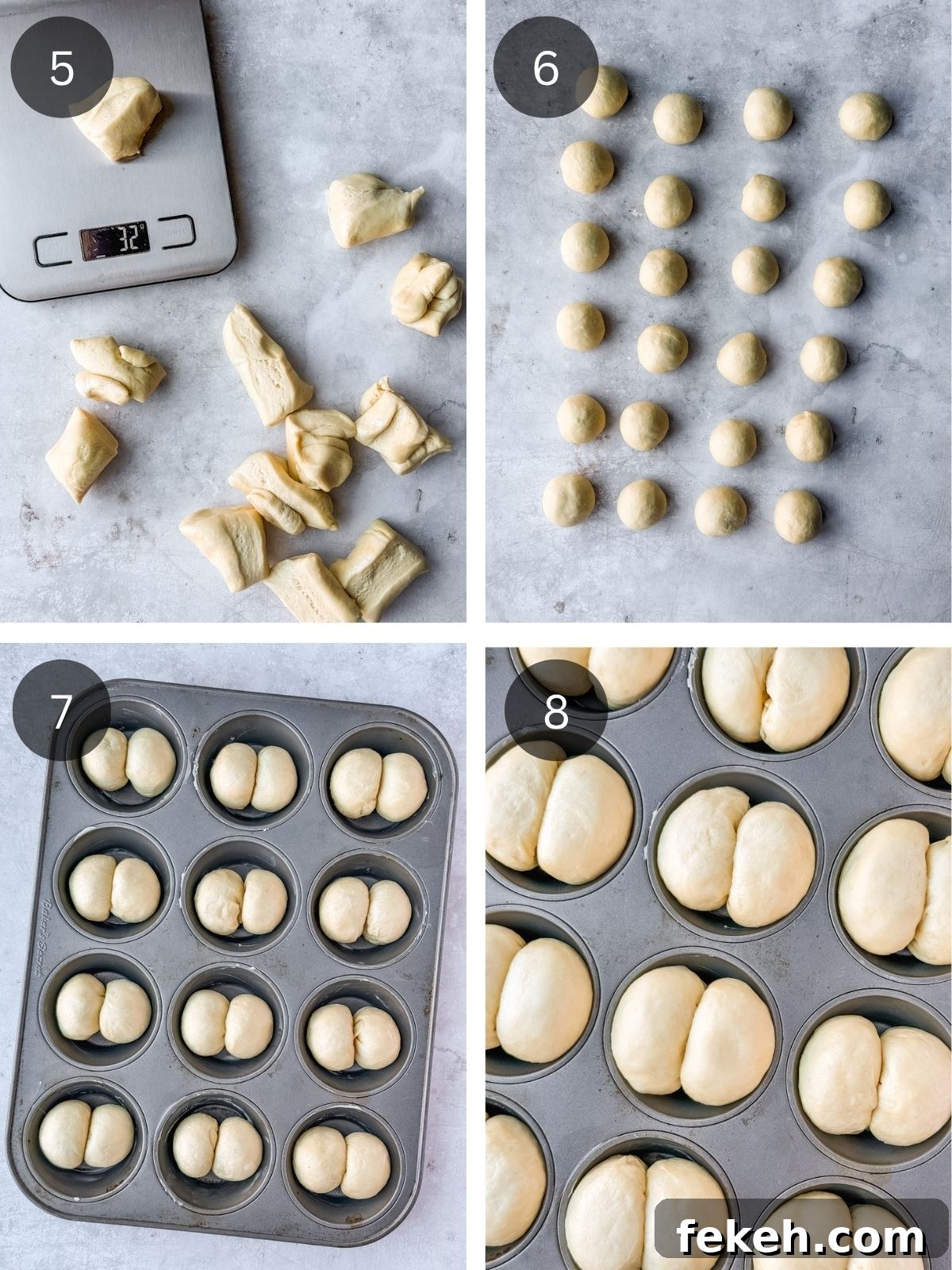
Step 5 — Divide. Punch down the dough and divide into 24 equal pieces (about 32–35 g each) using a scale for consistency.
Step 6 — Roll. Roll each piece into a tight ball by cupping your hand and moving it in circles on the counter. Lightly flour only if necessary.
Step 7 — Pair and arrange. Take two dough balls and press the seams together or position the seams down so they don’t unravel. Place each pair into a greased muffin tin to form 12 bun pairs.
Step 8 — Second rise. Cover and let the buns rise again for about 1½ hours until puffy and airy.
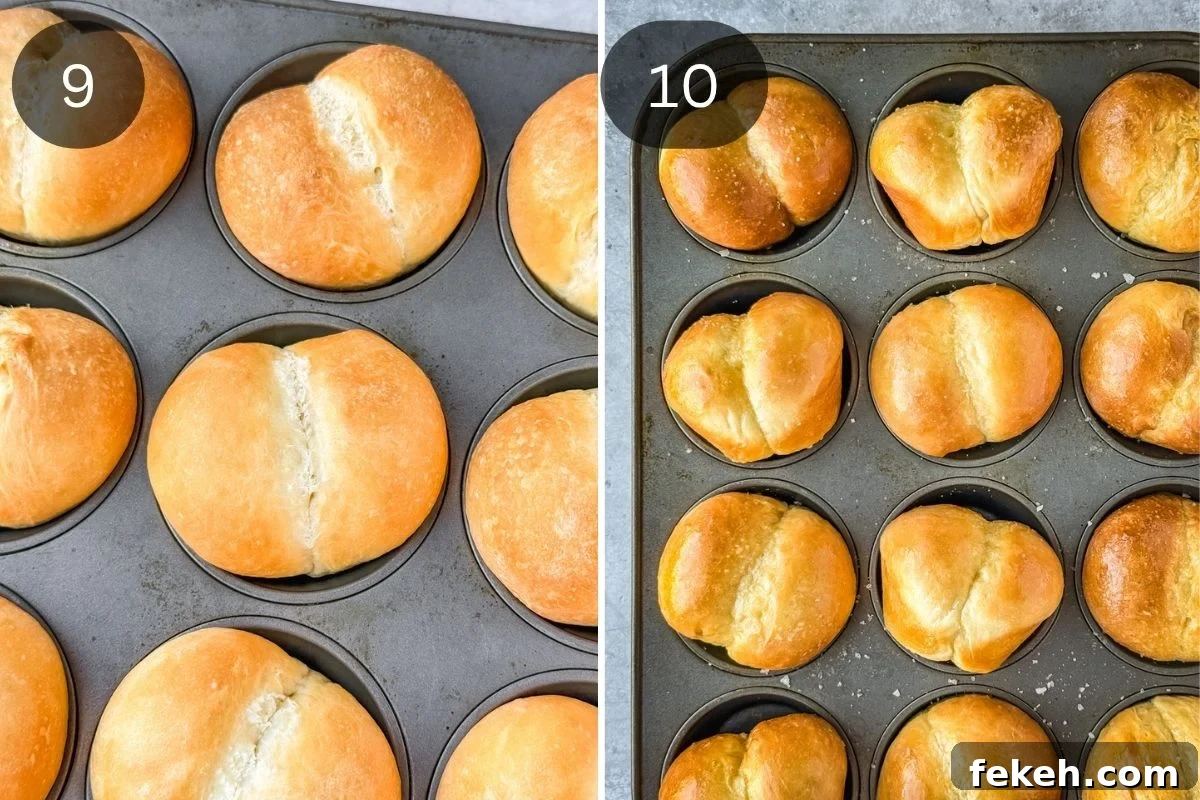
Step 9 — Bake. Preheat the oven to 350°F (175°C). Bake for 20–24 minutes until golden. They may feel firm at first but will soften after buttering.
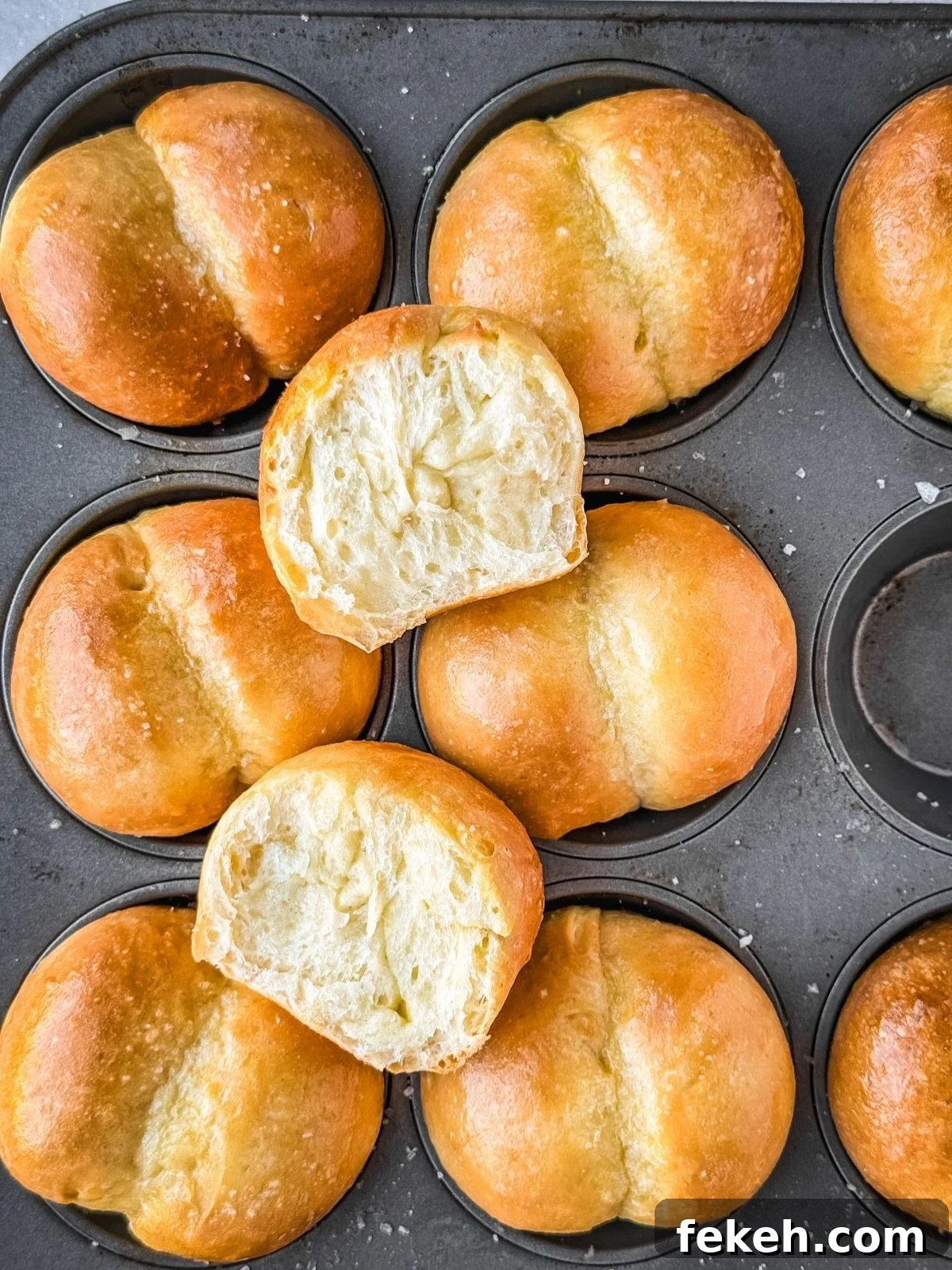
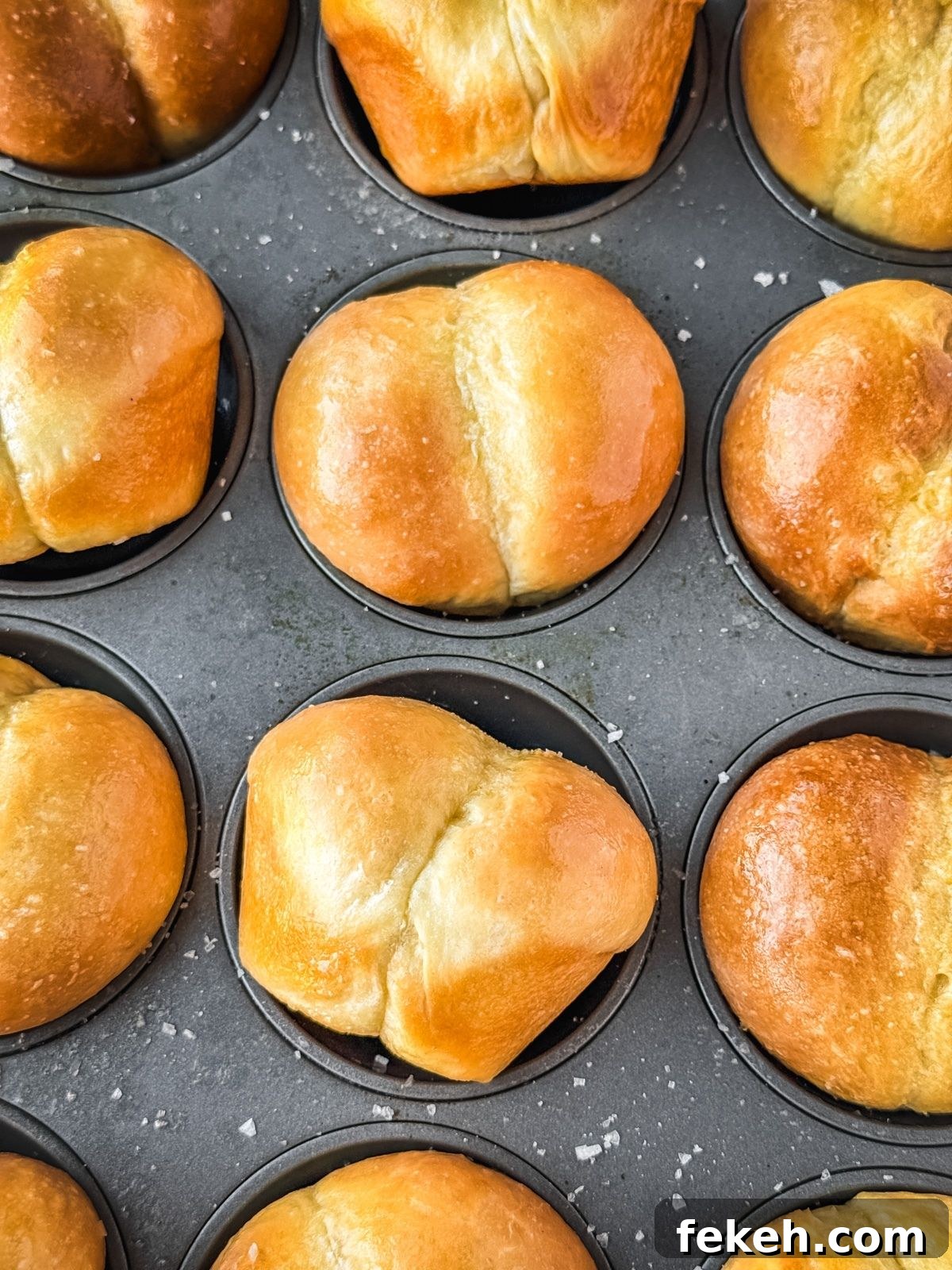
Step 10 — Finish. Brush the hot buns with melted butter and sprinkle flaky sea salt if you like. Serve warm.
Expert Tips
- Weigh ingredients for reliable, repeatable results—especially flour and liquids.
- Develop gluten by kneading until the dough is smooth and slightly tacky; this usually takes 7–9 minutes in a mixer or about 10 minutes by hand.
- Set seams down or press seam-to-seam so the pairs rise into round, attractive buns.
- Don’t skip the second rise; it’s essential for light, marshmallow-like rolls.
Recipe FAQs
Yes. Shape the buns and refrigerate the assembled tray overnight. Bring them to room temperature and allow a final rise before baking.
Keep leftovers in an airtight container at room temperature for up to three days.
Yes. Freeze fully baked rolls in a freezer bag for up to three months. Reheat in a 300°F oven until warm.
Other Baking Recipes
Dessert
Strawberry Rhubarb Galette with Almonds
Dessert
Rhubarb Custard Bars Recipe
Baking
Lemon Poppy Seed Muffins (Bakery Style)
Dessert
Lemon Curd Tart with Pistachios
If you try this Soft Buttery Double Cheeked Buns recipe, please rate it and leave a comment — it helps others discover and trust the recipe.
Soft Buttery Double Cheeked Buns
Comment
Print (with email)
Equipment
-
Muffin tin
Ingredients
Base Dough
- 3 cup All purpose flour (450 g)
- 2¼ tsp Instant yeast (7 g)
- 1 tbsp Sugar (12 g)
- 1½ tsp Kosher salt (8 g)
- 1 cup Lukewarm whole milk (240 ml)
- 4 tbsp Melted unsalted butter (56 g)
- 1 Large egg
Topping
- Melted butter
- Flaky salt (optional)
Instructions
-
Add Dry Ingredients. Combine flour, instant yeast, sugar, and salt in the bowl of a stand mixer and mix to blend. You can also knead by hand using a large bowl and a wooden spoon.
-
Mix Wet Ingredients. Whisk lukewarm milk, melted butter, and the egg together.
-
Knead. Pour wet ingredients into the dry and knead with a dough hook on medium-low until a soft dough ball forms, about 7–9 minutes. Increase speed if the dough sticks to the bowl. Avoid adding extra flour unless necessary.
-
First Rise. Shape the dough into a smooth ball, return it to the bowl, cover, and let rise in a warm place for about 1 hour or until doubled.
-
Divide. Punch down the dough and divide into 24 equal pieces (about 32–35 g each).
-
Roll. Form tight balls by cupping your hand and moving the dough in a circular motion on the counter. Lightly flour if needed.
-
Arrange. Pair two dough balls seam-to-seam or place seams down and press together. Put each pair into a greased muffin tin — you’ll have 12 pairs.
-
Second Rise. Cover and let the buns rise for about 1½ hours until puffy.
-
Bake. Preheat oven to 350°F (175°C). Bake for 20–24 minutes until golden; they may feel firm initially but will soften after buttering.
-
Brush Butter. Brush warm buns with melted butter and sprinkle flaky salt if desired. Serve warm.
Notes
Key Ingredient Notes:
- Flour: All-purpose flour works well; use bread flour for more chew. Substitute whole wheat up to 50% if you like.
- Yeast: Instant yeast is convenient. If using active dry yeast, bloom it in warmed milk with the sugar before adding to the flour.
- Milk: Whole or 2% milk yields a richer, more tender roll than water.
Other Tips:
- Weigh ingredients for the most consistent results.
- Allow the second rise so the buns become light and airy.
Nutrition
Nutrition information is an approximation.
 Like this recipe? Rate & comment below!