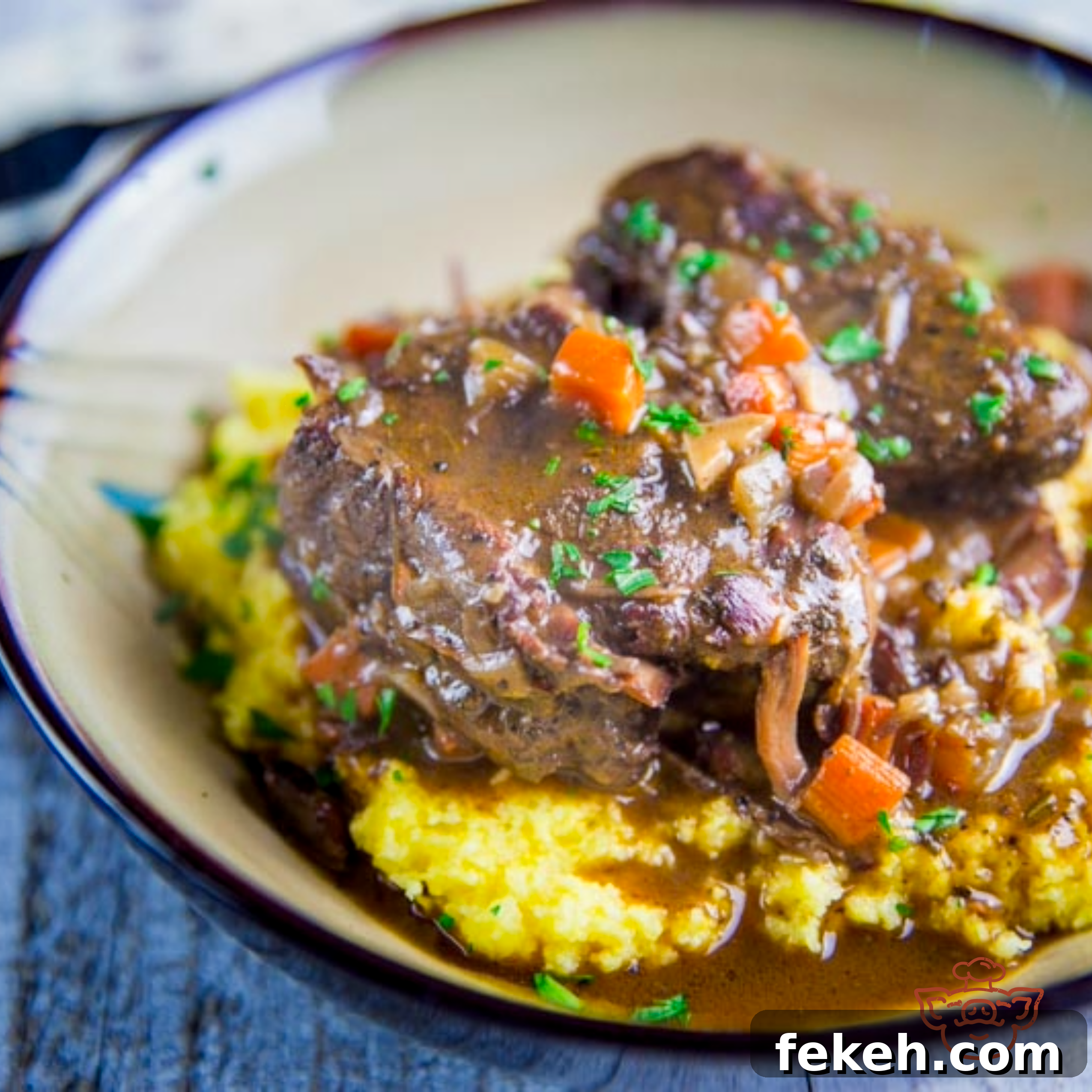
When the air turns crisp and the leaves begin to fall, my cooking moves toward heartier, soul-warming dishes. Few things define comfort food like beef short ribs, especially when they are gently smoked before being braised until meltingly tender. This recipe for Braised Smoked Beef Short Ribs on the Big Green Egg is an ideal weekend project for anyone who wants to elevate their outdoor cooking.
This dish takes time and patience, but the payoff is tender, flavorful meat that falls from the bone. Combining a measured smoke with a slow braise gives you two complementary textures: a smoky, seasoned crust and a silky interior. If you don’t have a smoker, the oven-only method included here produces excellent results at home.
Pour a glass of red wine, settle in, and let’s walk through the steps to make this cold-weather favorite.
Why Smoke AND Braise?
Using both smoking and braising gives you the best of both techniques. Smoking builds a deep, wood-fired crust and layers of flavor. Braising finishes the job by breaking down connective tissue in a moist environment, ensuring every bite is tender and juicy. Smoking alone can leave ribs firm if not timed precisely; braising alone misses the complexity that smoke brings. Together they create a dependable, restaurant-quality result.
Step 1: Understanding Beef Short Ribs
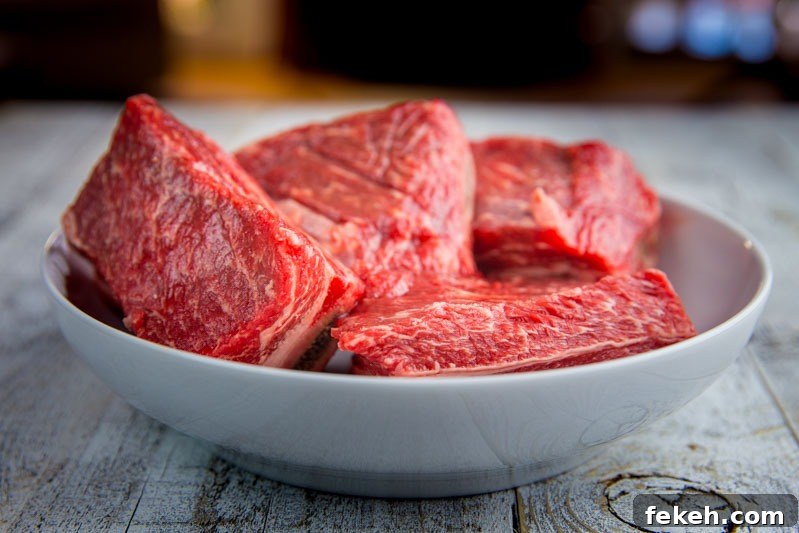
Before you light the charcoal, know the cut you’re working with. Beef short ribs come from the brisket, chuck, or plate and are prized for their rich, beefy flavor and marbling. These muscles are active, so the meat is naturally tough; long, low cooking is required to convert collagen into gelatin and achieve that “butter-like” texture.
Flanken vs. English Cut
Short ribs are most commonly sold in two cuts:
- English Style: Cut parallel to the bone, leaving one thick piece of meat on a long bone.
- Flanken Style: Cut across the bone into thinner strips, each containing several small cross-sections of bone.
This recipe uses Flanken-style beef short ribs. Their thinner profile lets smoke and braising liquid penetrate more quickly, producing deeper flavor throughout the meat.
Where to Find the Best Ribs
Because this is a long cook, choose well-marbled ribs rather than pieces with only exterior fat. A good butcher can trim and ensure consistent thickness, which promotes even cooking and predictable results.
Step 2: The Seasoning — Building a Beefy Bark
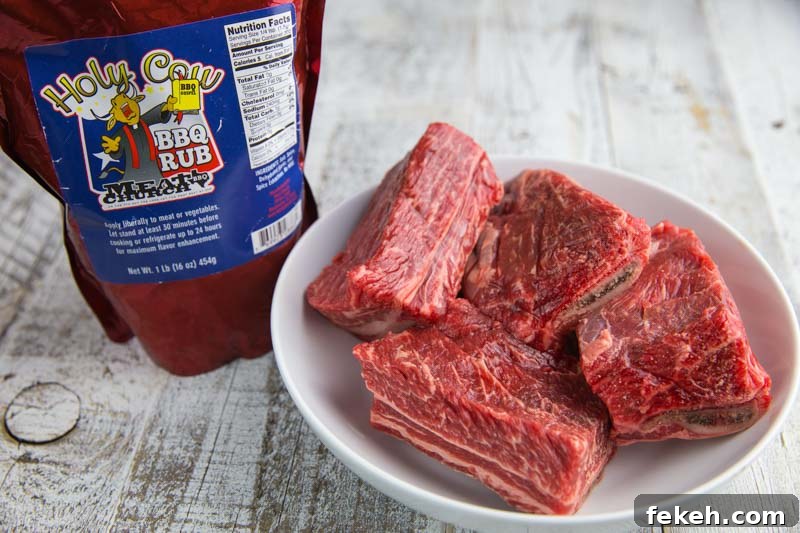
Short ribs are robust and handle bold seasoning. Because we smoke and braise, use a rub that delivers a strong flavor foundation that won’t get lost in the braising liquid.
Recommended Rubs and DIY Blend
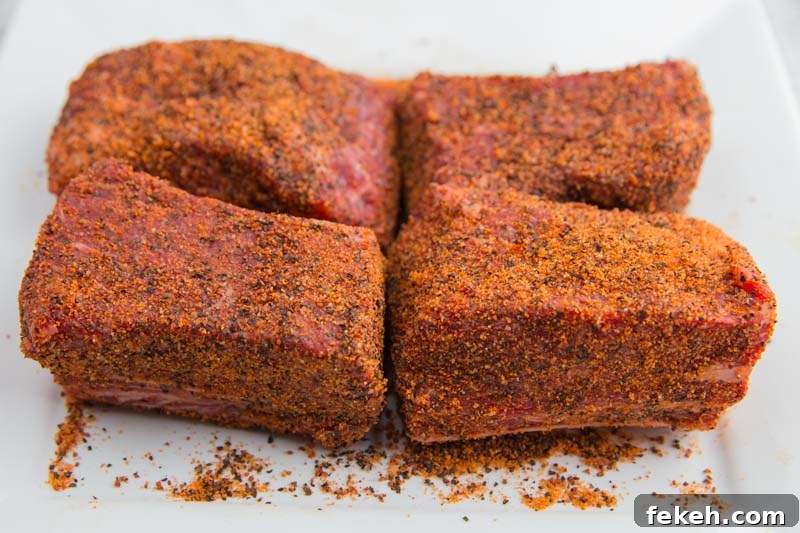
A Texas-style beef rub—heavy on salt, coarse black pepper, and garlic—works beautifully. If you prefer to mix your own, try this simple ratio for an authentic smokehouse profile:
- 2 parts coarse black pepper (16 mesh is great for bark)
- 1 part kosher salt
- 1/2 part granulated garlic
- Optional: a pinch of onion powder or celery seed
Applying the Rub
Apply the rub generously to all sides of the flanken ribs—these are fatty pieces that can handle a heavy seasoning. Season at least 30 minutes before smoking to let the salt penetrate and the spices adhere during the smoke phase.
Step 3: The Setup — Low and Slow Smoke
With the ribs seasoned, set up your Big Green Egg (or another smoker) for indirect cooking. This phase establishes the crust and the smoke flavor before braising.
Indirect Configuration
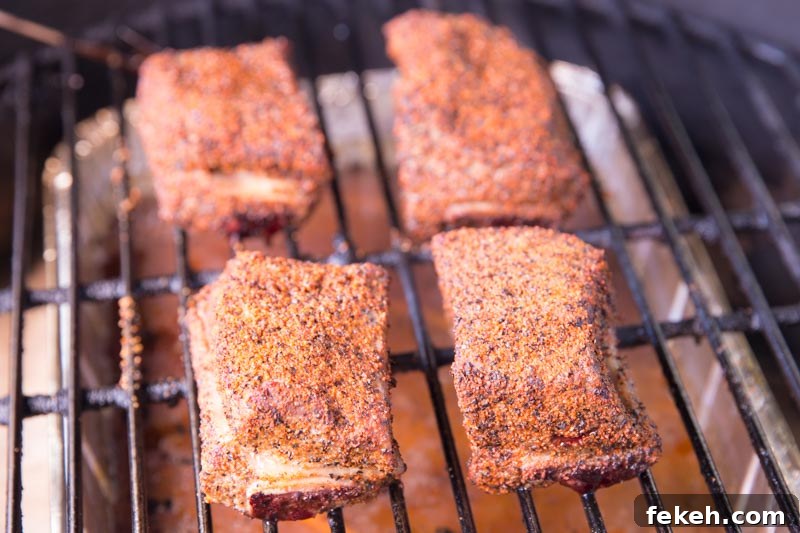
- Temperature: Maintain a steady dome temperature of 225°F. Low heat renders fat slowly without drying the meat.
- Moisture: Place a drip pan with water beneath the cooking grid. Evaporating water creates humidity inside the dome, helping smoke adhere and keeping the ribs moist during the two-hour smoke.
Wood Choice
Pecan wood offers a sweet, nutty smoke that’s less aggressive than hickory but more pronounced than fruitwoods. It adds a deep mahogany color and complements beef without overpowering it.
The Two-Hour Smoke
Place the ribs on the grid and smoke for about 2 hours, aiming for an internal temperature of around 175°F. At that point, remove the ribs and let them rest briefly while you prepare the braising liquid.
Step 4: Preparing the Braise — Elevating the Flavor
With the ribs carrying smoke, prepare a braising liquid that will tenderize the beef and turn into a rich sauce. A heavy Dutch oven is ideal for this stage.
The Foundation: Cabernet Sauvignon
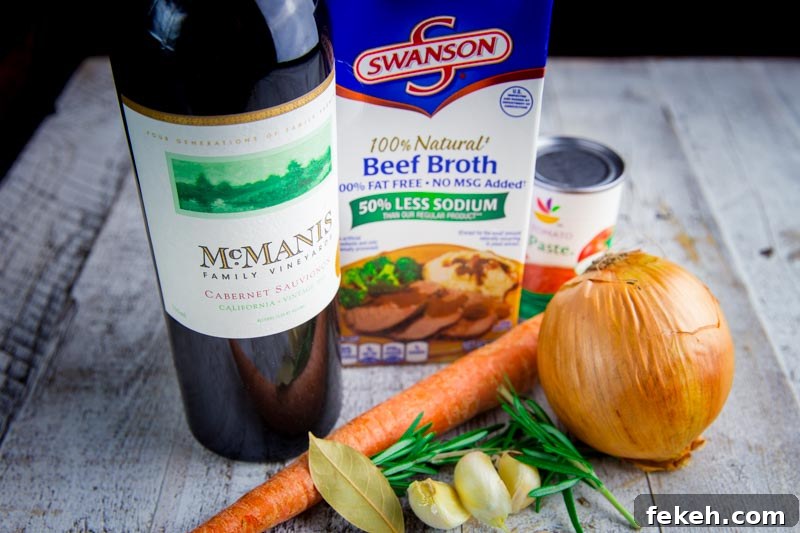
A bottle of Cabernet Sauvignon adds tannins and dark fruit notes that act as a tenderizer and deepen the braise’s flavor. Combined with beef broth, it creates a full-bodied sauce that water alone can’t match.
Aromatics and Vegetables
Add these to the Dutch oven to build complexity:
- Onions and carrots, roughly chopped, for balanced sweetness
- Smash a few garlic cloves and add fresh rosemary for earthy, piney notes
- Tomato paste for body and umami, plus beef broth to nearly cover the ribs
The Assembly
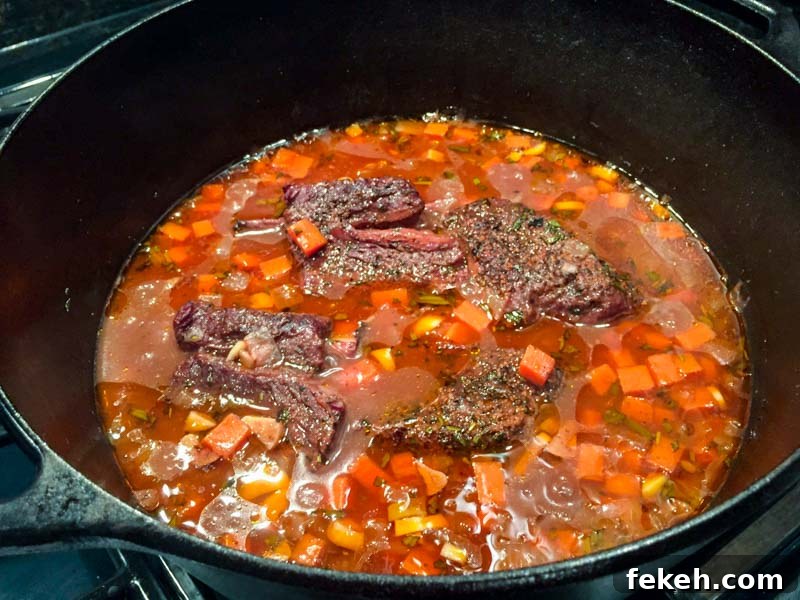
Place smoked ribs in the Dutch oven with the vegetables and herbs. Pour in wine and beef broth until the ribs are comfortably nestled. Over several hours the liquid will reduce into a silky jus that carries the smell of smoke and the richness of beef.
Step 5: The Braise — Slow-Roasted Perfection
You can finish the braise on the Big Green Egg or transfer the Dutch oven to a conventional oven for a stable long cook. The oven method keeps temperature steady for hours.
Bringing the Braise to Life
- The Boil: On the stovetop, bring the wine, broth, and aromatics to a gentle boil.
- The Submerge: Add the smoked ribs to the liquid so they are barely covered. Top up with water if needed.
- The Roast: Cover with a tight lid and place in a 325°F oven for about 3 hours.
- The Rotation: Turn the ribs every 30 minutes so exposed surfaces stay moist and each piece soaks in the braising liquid.
Buddha’s Note: The Oven-Only Method
If you don’t have a smoker, sear the seasoned ribs in the Dutch oven over medium-high heat until deeply browned, about 2 minutes per side. Remove them, deglaze the pot with the wine and broth to capture browned bits, then return the ribs and braise in the oven using the same temperatures and timing.
Step 6: The Reveal and Serving
After three hours, the ribs should be tender and infused with the Cabernet and aromatics. The connective tissue will have rendered, leaving succulent meat that separates from the bone with little effort.
The Finish
Remove the Dutch oven from the heat. Discard bones and large herb stems. The remaining meat can be shredded or served in chunks with the reduced braising liquid spooned over top as a rich, glossy sauce.
The Perfect Pairing: Creamy Polenta
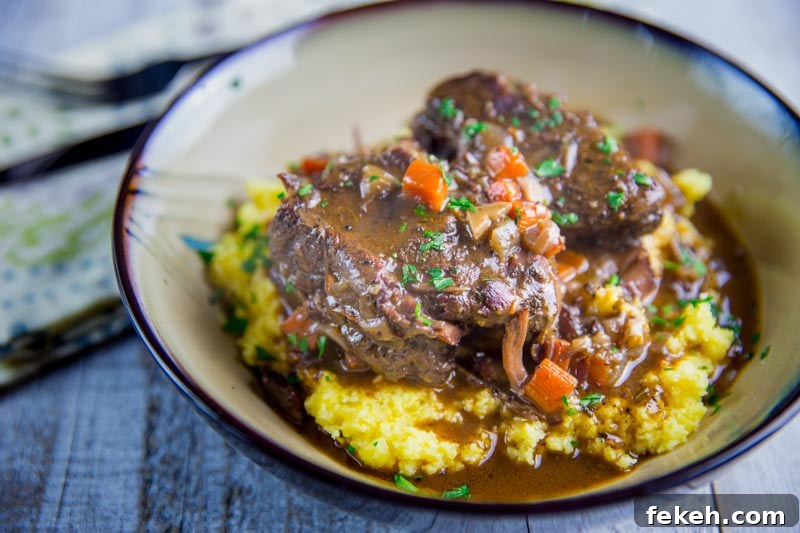
Creamy polenta is an ideal base for these ribs. Its smooth, buttery texture complements the bold, smoky meat. Serve a generous scoop of polenta, top with shredded short ribs, and finish with several spoonfuls of the braising jus.
Why This Dish Wins
This recipe is a celebration of “slow and low.” The two-hour smoke builds depth while the three-hour braise delivers the tender texture short ribs are known for. It requires time, but the result—a richly flavored, wine-infused, smoky beef—is worth every minute and makes any cool evening feel like a special occasion.
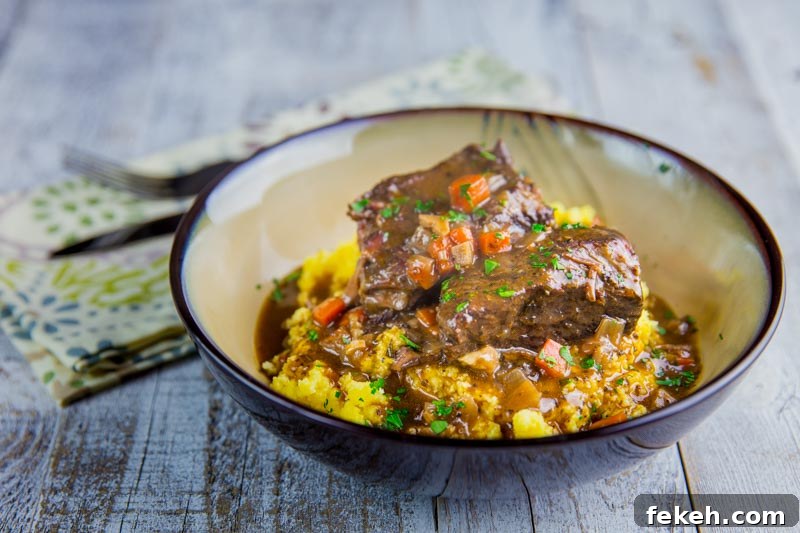
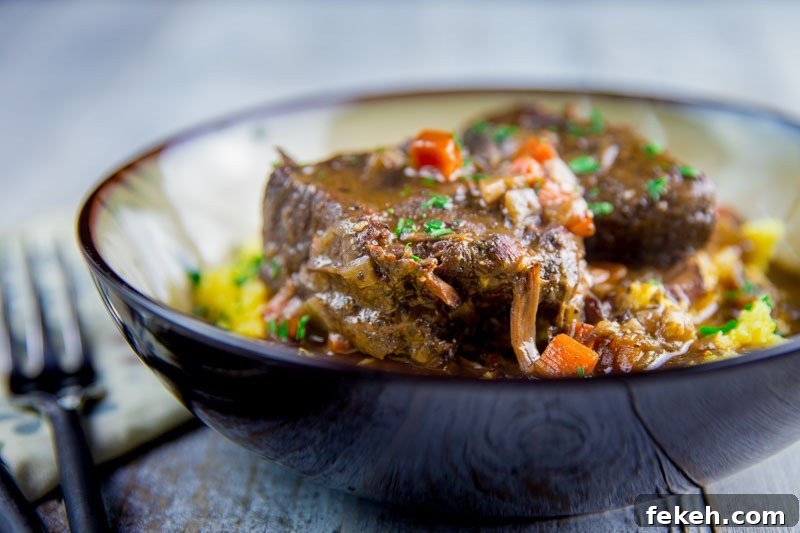
Braised Smoked Beef Short Ribs on the Big Green Egg
Prep Time: 30 minutes
Cook Time: 5 hours
Total Time: 5 hours 26 minutes
Servings: 4
Equipment
- 1 Dutch oven
Ingredients
Beef Ribs Ingredients
- 3 pounds Flanken-style beef short ribs
- 4 tbsp coarse beef rub (Texas-style or similar)
Braise Ingredients
- 1 bottle Cabernet Sauvignon
- 2 cups beef broth
- 2.5 tbsp all-purpose flour
- 1 tbsp olive oil
- 2 tbsp tomato paste
- 2 carrots, diced
- 1 yellow onion, chopped
- 4 cloves garlic, chopped
- 1 tsp kosher salt
- 1 bay leaf
- 1/2 tbsp minced fresh rosemary
Instructions
- Season: Trim the ribs and coat all sides generously with rub. Let rest at least 30 minutes.
- Smoke: Set smoker to 225°F for indirect cooking with a water pan. Smoke ribs with pecan or preferred wood for 2 hours until internal temperature reaches about 175°F.
- Mix: While the ribs smoke, whisk flour into the wine and beef broth in a pot. Add olive oil, salt, tomato paste, carrots, onion, garlic, bay leaf, and rosemary and bring to a boil.
- Braise: Place smoked ribs into the boiling liquid, cover with a tight lid, and transfer to a 325°F oven.
- Roast: Roast for about 3 hours, turning the ribs every 30 minutes so they remain coated and submerged in the reducing sauce.
- Serve: Remove meat from bones, shred or portion, and serve over creamy polenta with a generous ladle of braising jus.