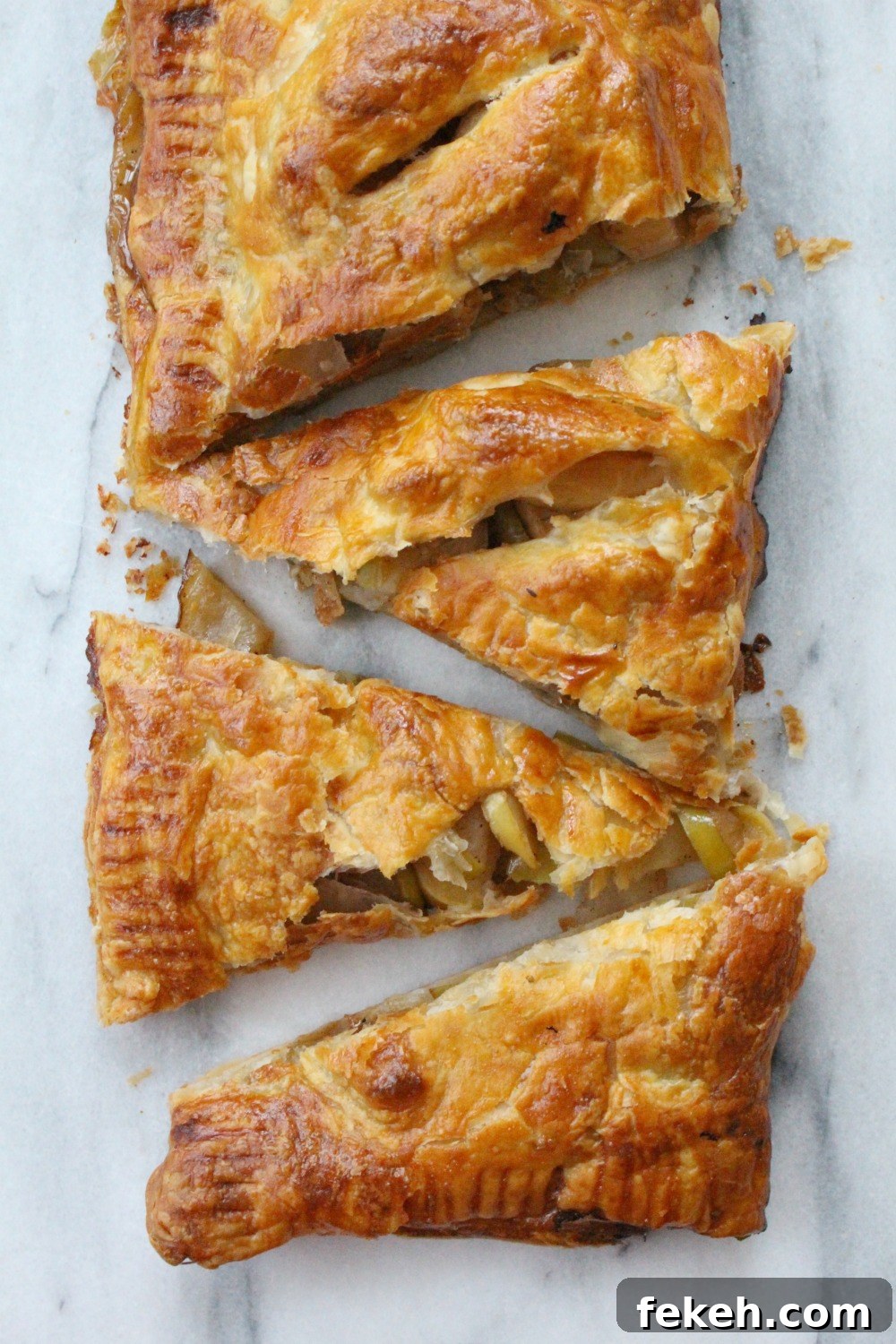
I consider myself both a cook and a baker, though I turn to dough whenever I need comfort—happy, sad, stressed, or simply wanting to share. Baking isn’t usually about necessity the way dinner is; it’s about giving. There’s something generous and communal about baking, and pies are especially tied to the comforts of home and the ritual of gathering.
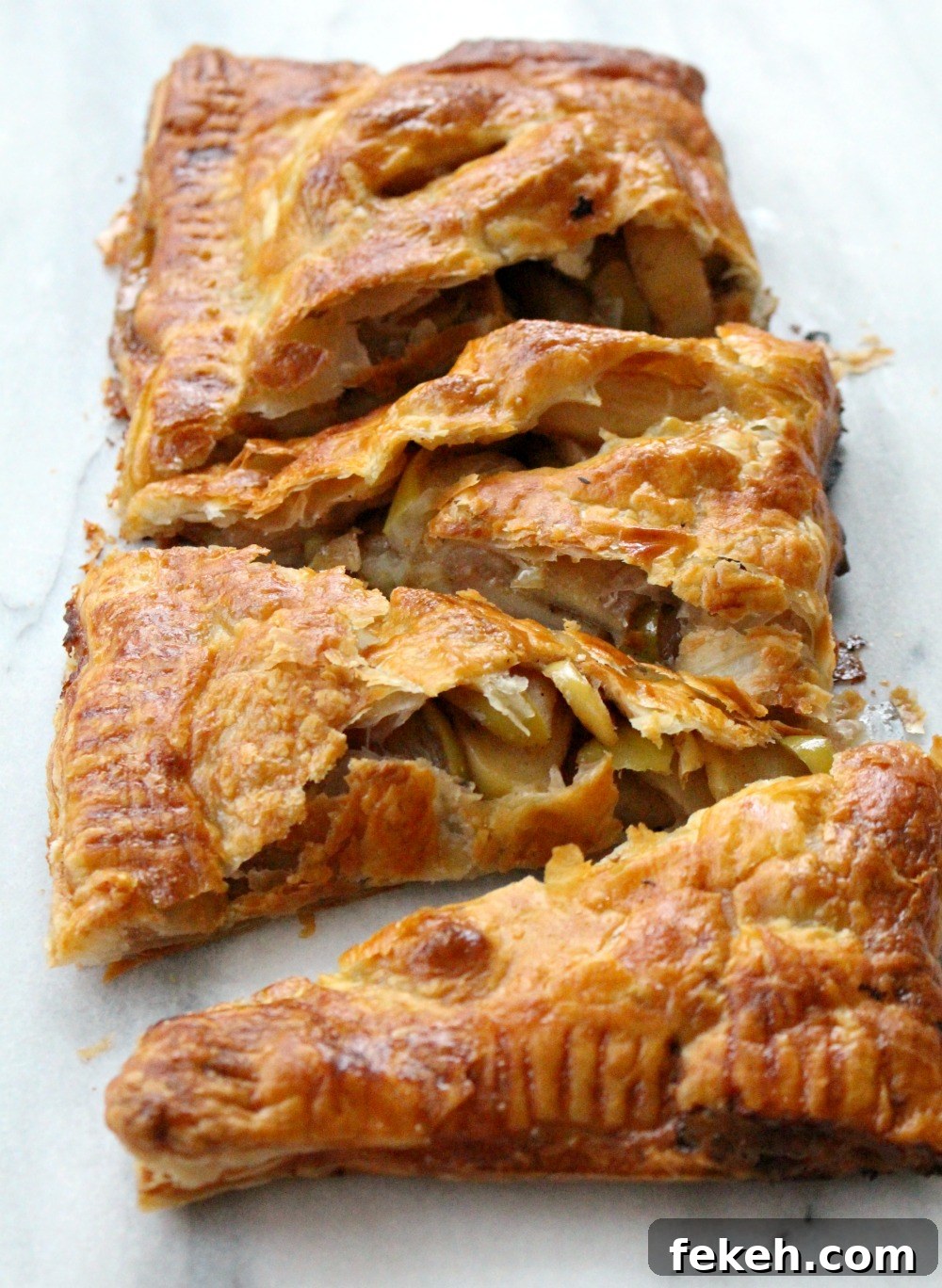
Apple pies reach deep into our collective memories—made for casual celebrations, quiet evenings, and the people we love. I mean to make pies more often, even though the idea of assembling a pie from butter, sugar, flour and apples can feel intimidating. The trick: keep apples on the counter and puff pastry in the freezer. Store-bought puff pastry thawed by the sheet makes assembly fast and forgiving—no one expects you to make puff pastry from scratch. The sheets unroll quickly and can be filled and folded in minutes. Apple pie can come together in ten minutes.
In Western Canada, February is Apple Month, which makes sense since apples are one of the few fresh local fruits still available in winter. It’s a season for turning on the oven and baking on a cold Saturday night. I try to support local growers and often keep Ambrosia apples in the fruit bowl—sweet, tart, crunchy, and slower to brown than many varieties. Ambrosias have a small-town origin story: a chance seedling discovered among older varieties, a reminder that good things can come from happy accidents.
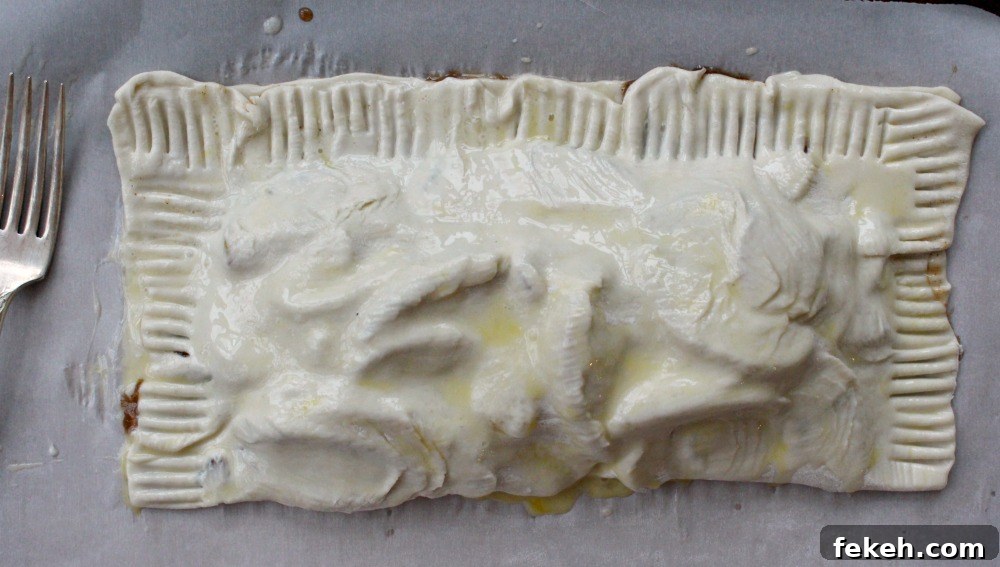
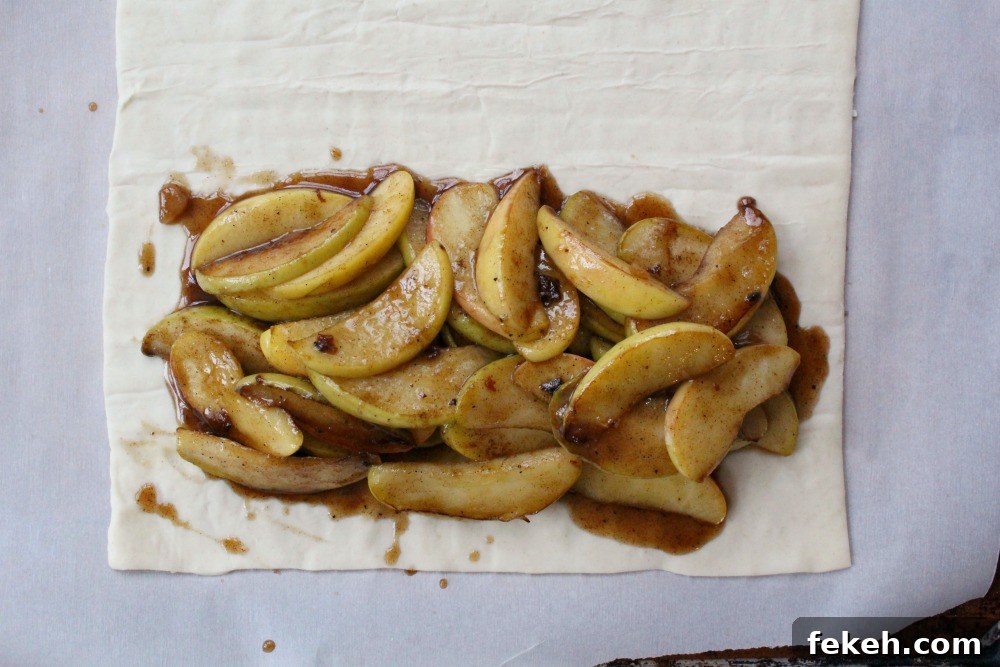
I like to mix a few apple varieties in a pie, though using two of the same type works fine. My method is simple: slice the apples into a skillet with a knob of butter—no need to peel them; the skin holds nutrients and fiber—and sauté briefly so they soften, condense and caramelize. While the apples cook, unroll or roll out the pastry. Puff pastry is wonderfully forgiving: it can be rustic and it still looks great. Toss the softened apples with sugar and cinnamon, then spread them on one half of the pastry, leaving a margin for sealing. Precision isn’t required—this is about ease and warmth, not exact measurements.
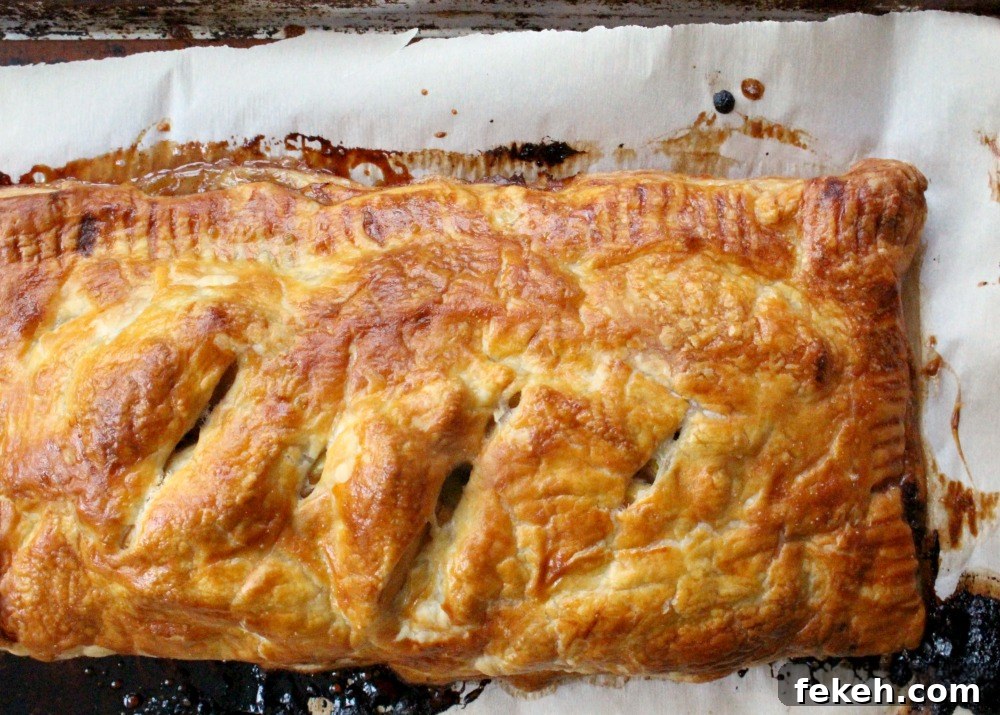
Fold the pastry over the apples and press the edges closed with a fork. Brush the top with a beaten egg for a glossy finish, or omit it if you prefer. If filling leaks, parchment paper is there to catch it. This slab-style pie bakes on a sheet pan—no pie dish required—and serves easily. The informal shape is part of its charm: the kind of pie you make to share, not to impress with flawless edges.
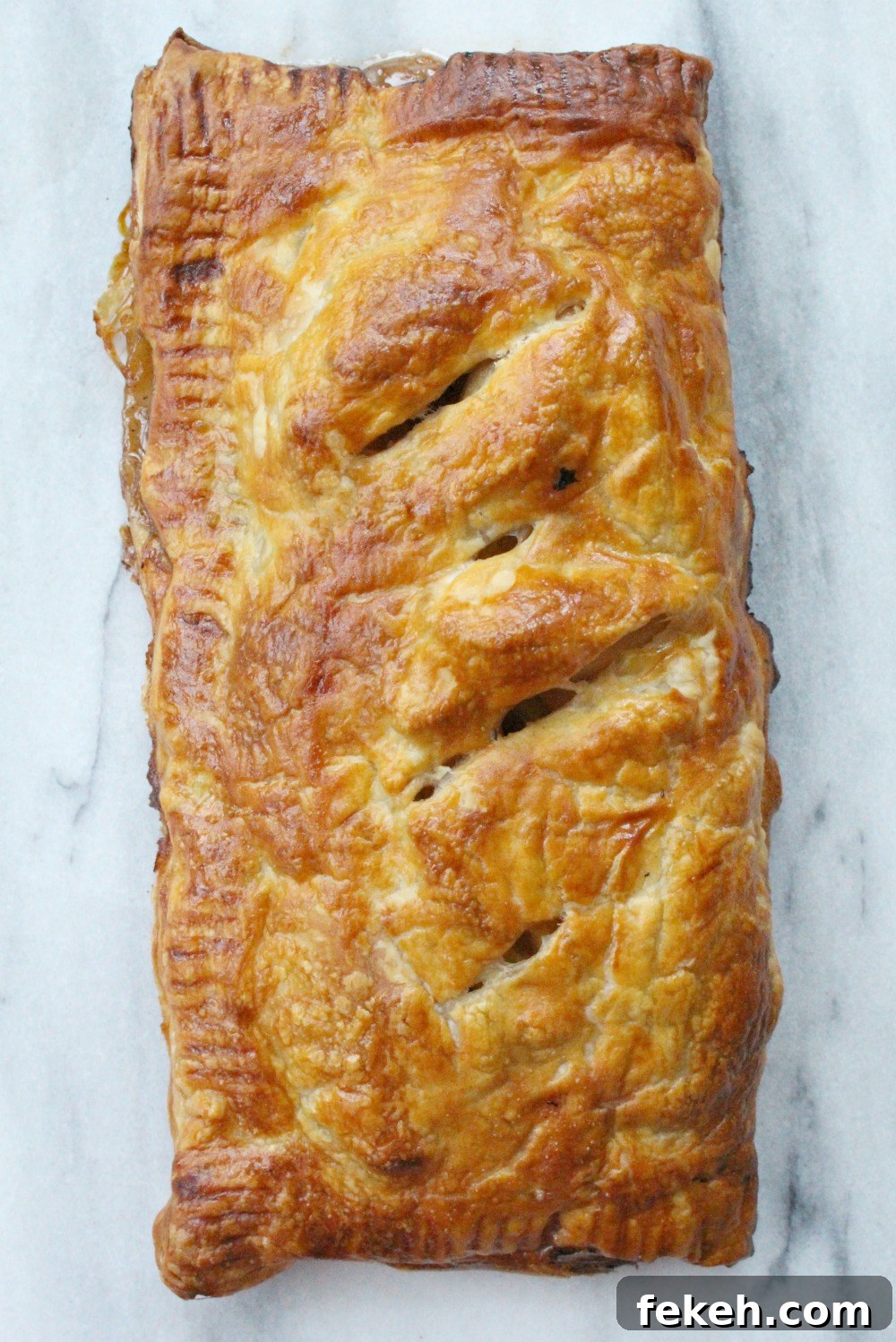
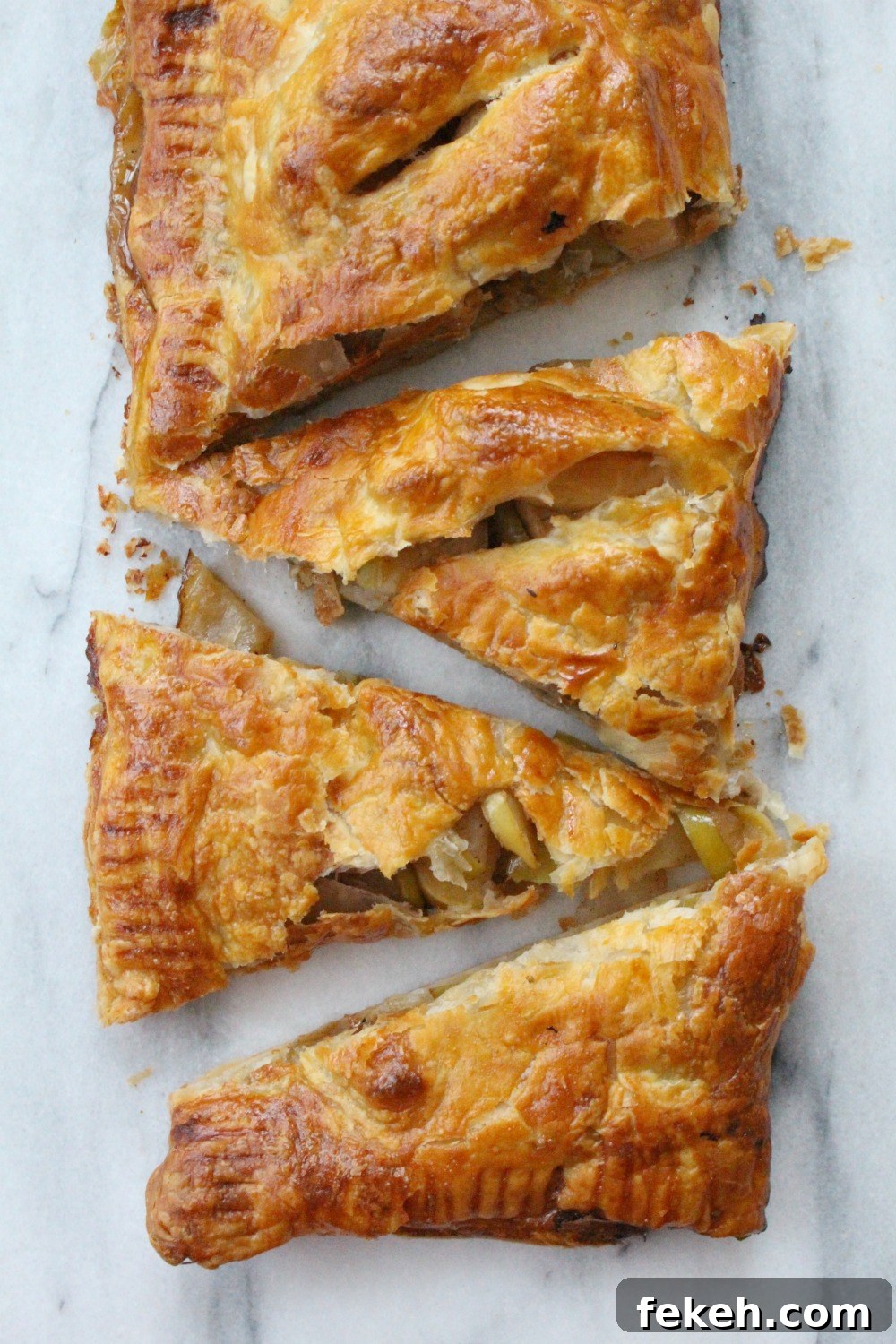
Serve the slab warm, at room temperature or cold. It’s great in slices like a strudel or cut into wedges that resemble classic pie slices. A practical tip: let the baked slab cool slightly, then slide it onto a cutting board and cut straight down at alternating angles—this is easier than trying to extract a neat slice from a plate while the filling is still warm. Of course, it’s perfect with a scoop of ice cream.
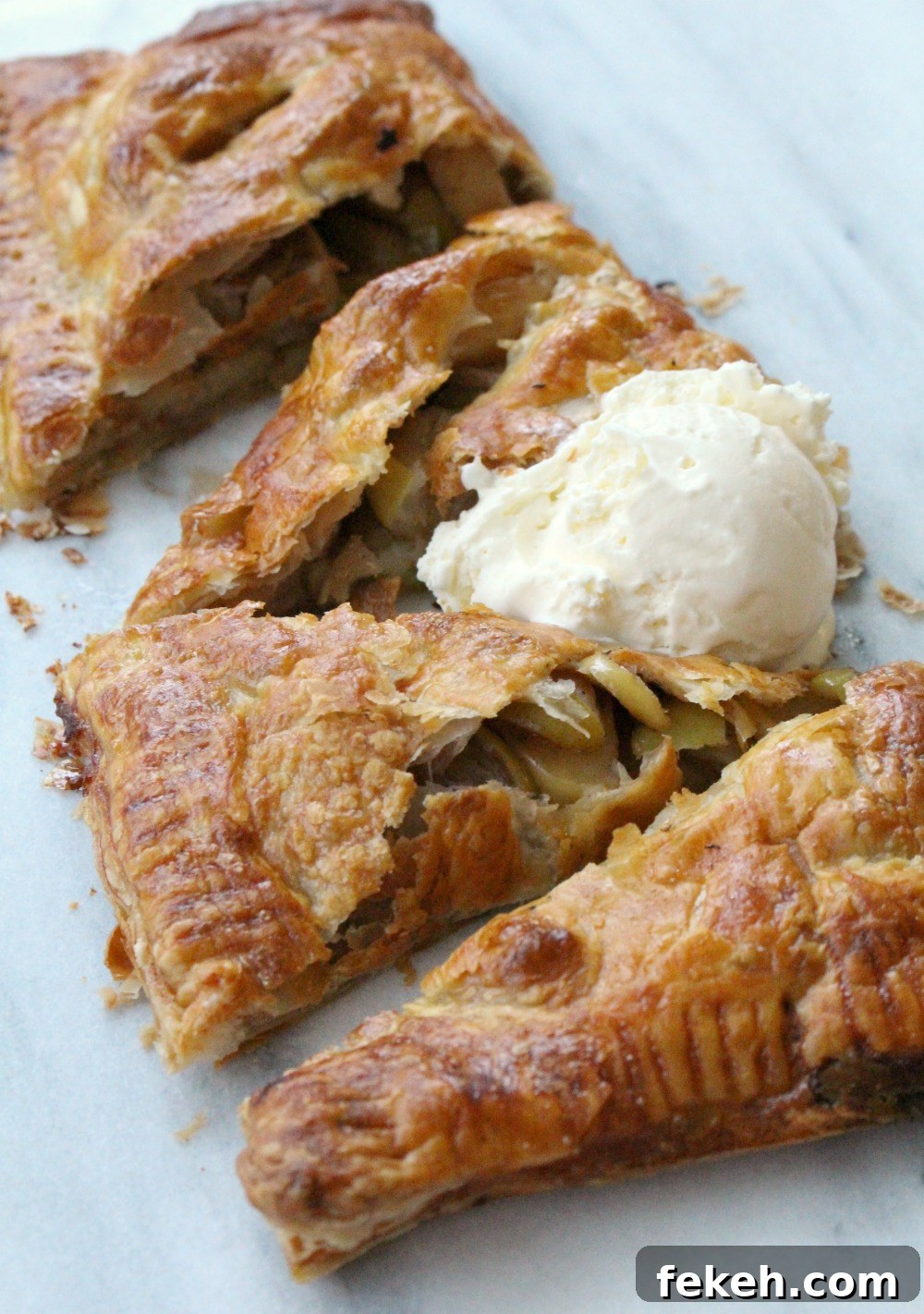
Here’s to more pies on our tables—simple, forgiving, and made to share.
*Thanks to BC Tree Fruits for inviting me to celebrate Apple Month. I’ll be sharing a new apple recipe every Friday in February.