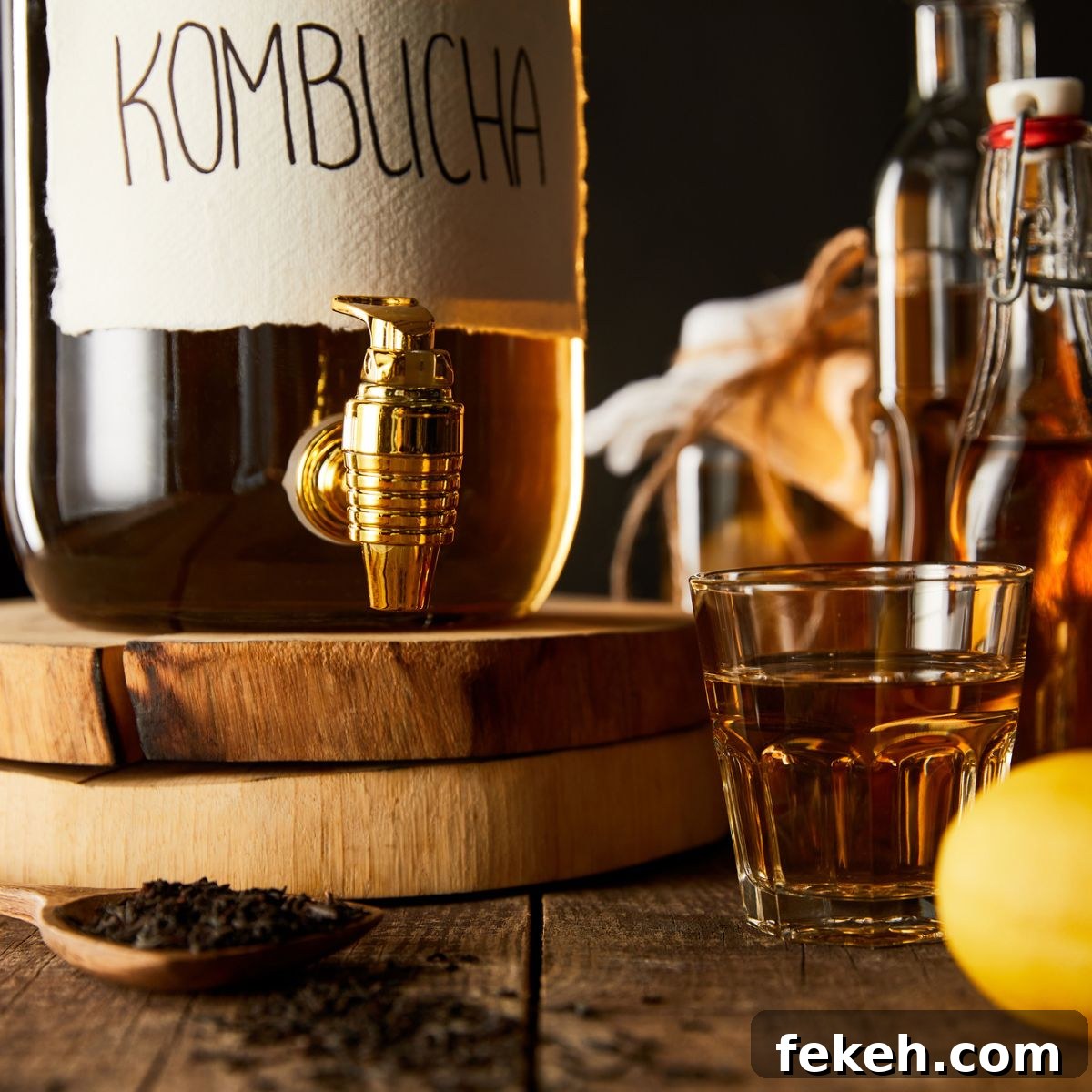
Kombucha is enjoyed by millions around the world, yet many people still wonder what it contains and how it’s made. If you have celiac disease or a sensitivity to gluten, you’re likely to ask whether kombucha contains any gluten at all. This article explores that question and covers related points you may find useful.
Below we’ll explain what kombucha is, how it’s produced, what’s in it, its potential benefits and risks, and whether it is safe for people who must avoid gluten.

Why ask whether kombucha is gluten-free?
People with celiac disease or non-celiac gluten sensitivity need to know exactly what they consume because even small traces of gluten can trigger serious digestive and immune reactions. Reading labels and understanding how foods and drinks are made helps avoid accidental exposure and maintain gut health.
For anyone avoiding gluten, it’s also important to know whether ingredients or production methods introduce gluten into otherwise safe foods and beverages.
What is kombucha?
Kombucha is a lightly effervescent, sweet-and-tart brewed beverage traditionally made from tea, sugar, and a symbiotic culture of bacteria and yeast (SCOBY). It has been consumed for centuries—originating in East Asia and spreading through Russia and Europe—and has grown in popularity in the United States as a natural, low-sugar alternative to soft drinks and alcoholic beverages.
Although many health claims exist, scientific evidence is limited; still, kombucha’s probiotics and bioactive compounds may offer benefits similar to other fermented products.
What does kombucha do for you?
Kombucha is promoted for digestive support, energy, detoxification, and immune health. Some anecdotal reports link it to improvements in conditions ranging from digestive complaints to general well-being. Fermented foods, including kombucha, can supply probiotic bacteria that may help with diarrhea and symptoms of irritable bowel syndrome, and they may support the microbiome.
When brewed from green tea, kombucha also contains tea-derived polyphenols that act as antioxidants. While animal studies show potential benefits such as lower cholesterol and blood sugar, clear evidence in humans remains limited.
What ingredients make kombucha?
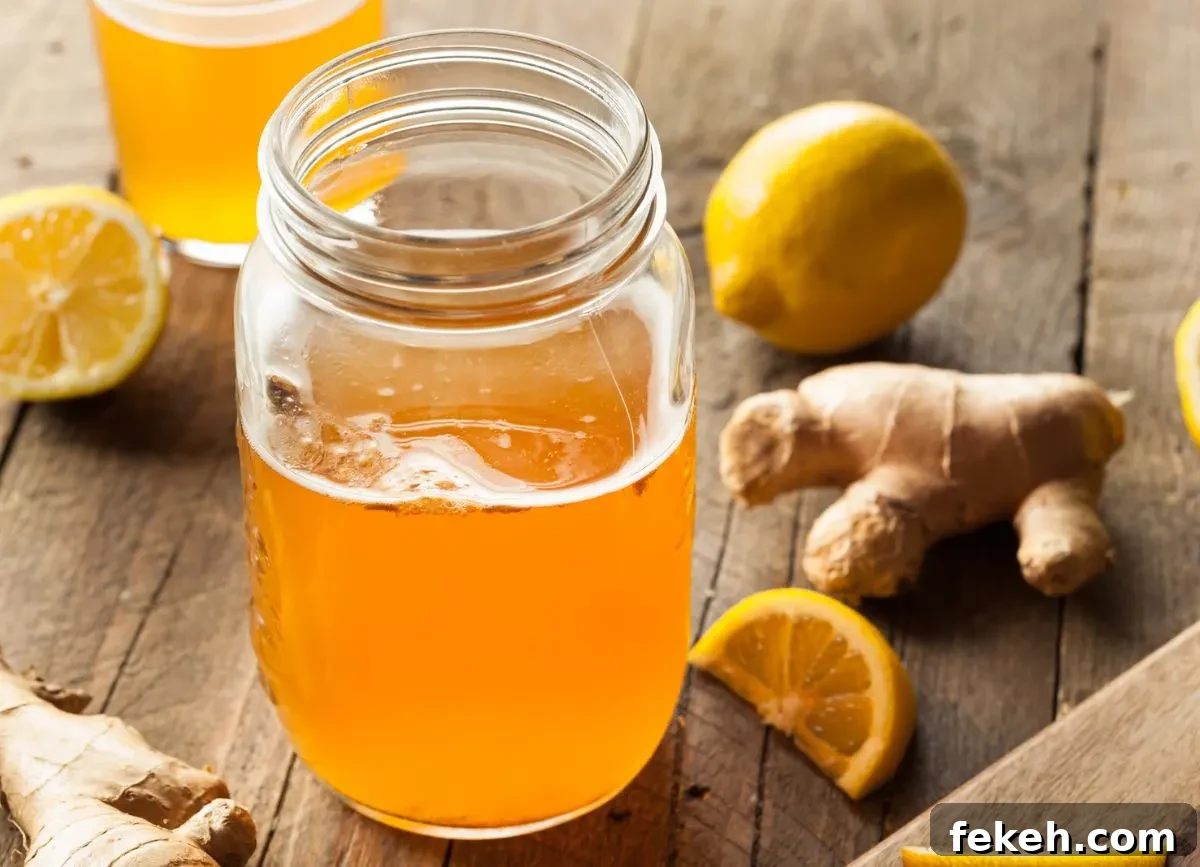
The basic ingredients are tea (black or green), sugar, and a SCOBY, which contains yeast and bacteria. During fermentation, the microbes consume sugar and produce acids, gases, and small amounts of alcohol—typically between 0.5% and 3% alcohol by volume, depending on fermentation time and conditions.
The SCOBY forms a cellulose film on the liquid’s surface and can be used to culture subsequent batches. Kombucha also provides B vitamins produced during fermentation.
How is kombucha made?
Kombucha is produced by fermenting sweetened tea with a SCOBY for several days to weeks. As the culture metabolizes sugar, it creates organic acids, carbon dioxide (the fizz), and trace alcohol. Commercial kombuchas are typically controlled to limit alcohol content and ensure sanitary production.
Because of the low alcohol levels, most kombucha is sold as a nonalcoholic beverage, but stronger home brews or some craft products may register higher alcohol percentages.

Benefits of kombucha
Potential benefits stem from probiotics, polyphenols from the tea, and the general effects of fermented foods. These may include improved digestion, modest immune support, and antioxidant protection when brewed from green tea. Some animal studies report lowered cholesterol and blood sugar, but human research is not yet conclusive.
Fermented foods can support gut health and may help with conditions like diarrhea or IBS; however, kombucha should not be considered a cure-all and should be consumed as part of a balanced diet.
Are there any risks?
Improperly prepared kombucha can develop harmful bacteria or mold. Since the 1990s, there have been isolated reports of adverse effects—including allergic reactions, nausea, and in rare cases more serious outcomes—often linked to home-brewed or contaminated batches. People with weakened immune systems, pregnant women, and those with certain health conditions should consult a healthcare provider before drinking kombucha.
Can you make your own kombucha?
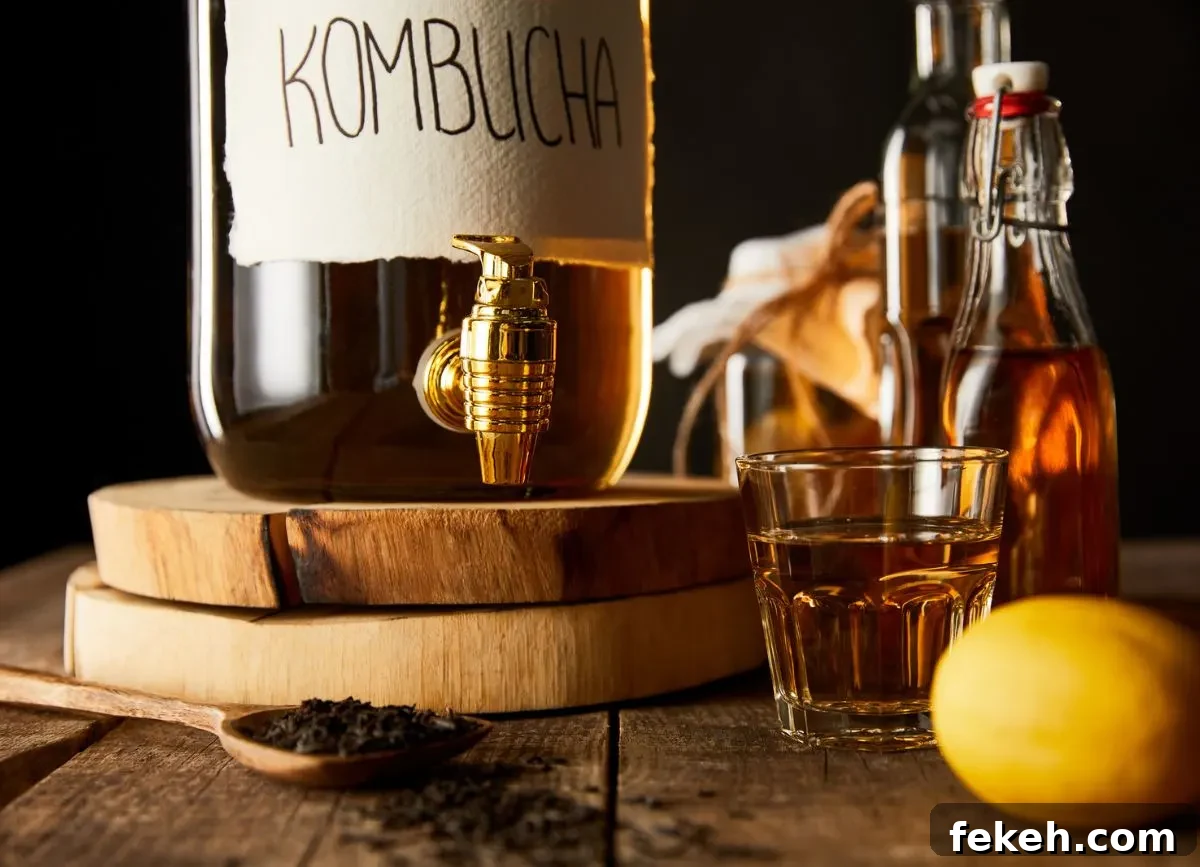
Home-brewing kombucha is possible and many recipes and starter cultures are available. However, it requires careful attention to sanitation and fermentation conditions to avoid contamination. For most people who want consistent, safe results, buying commercially produced kombucha from reputable producers or licensed breweries is a safer option.
Other culinary uses for kombucha
Kombucha’s tangy, slightly sweet flavor can be used in cooking—added to gluten-free soups, dressings, marinades, or even desserts—to introduce acidity, complexity, and probiotics. It can complement both savory and sweet gluten-free recipes while contributing antioxidants and unique taste notes.
Is kombucha gluten-free?
In most cases, yes. Traditional kombucha is made from tea, sugar, and a SCOBY, none of which contain gluten. Commercial kombucha brands usually produce gluten-free products suitable for people with celiac disease or gluten sensitivity, but it’s important to check labels. Some flavored or specialty kombuchas could include ingredients derived from grains or be processed in facilities that handle gluten-containing products, so reading the final product label ensures safety.
If you have celiac disease or severe gluten sensitivity, look for a clear gluten-free statement on the label or contact the manufacturer to confirm their sourcing and processing practices.