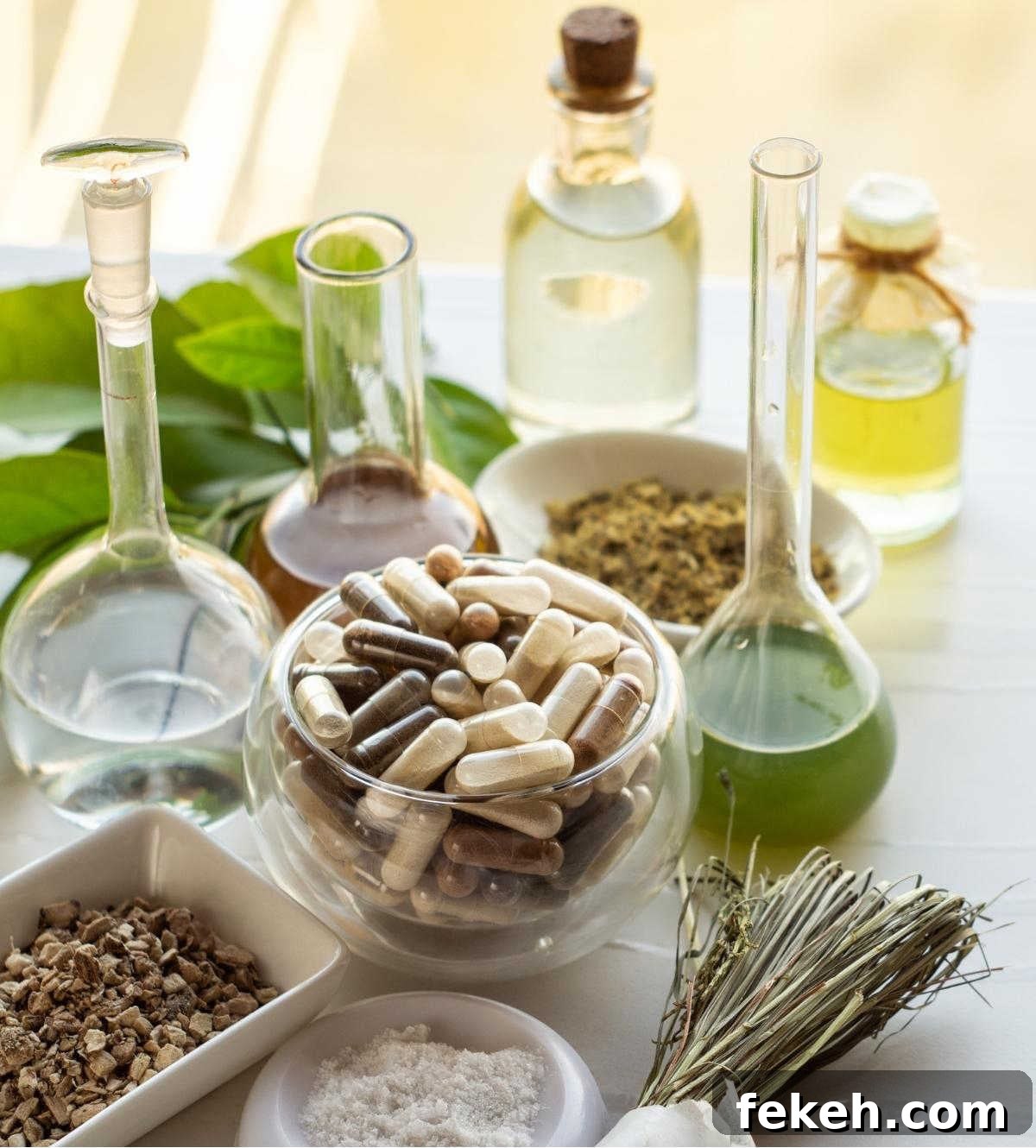
How do you choose quality natural clean supplements? And how do you know what’s the right form to take? Here are practical tips to help you select the cleanest natural supplements available.
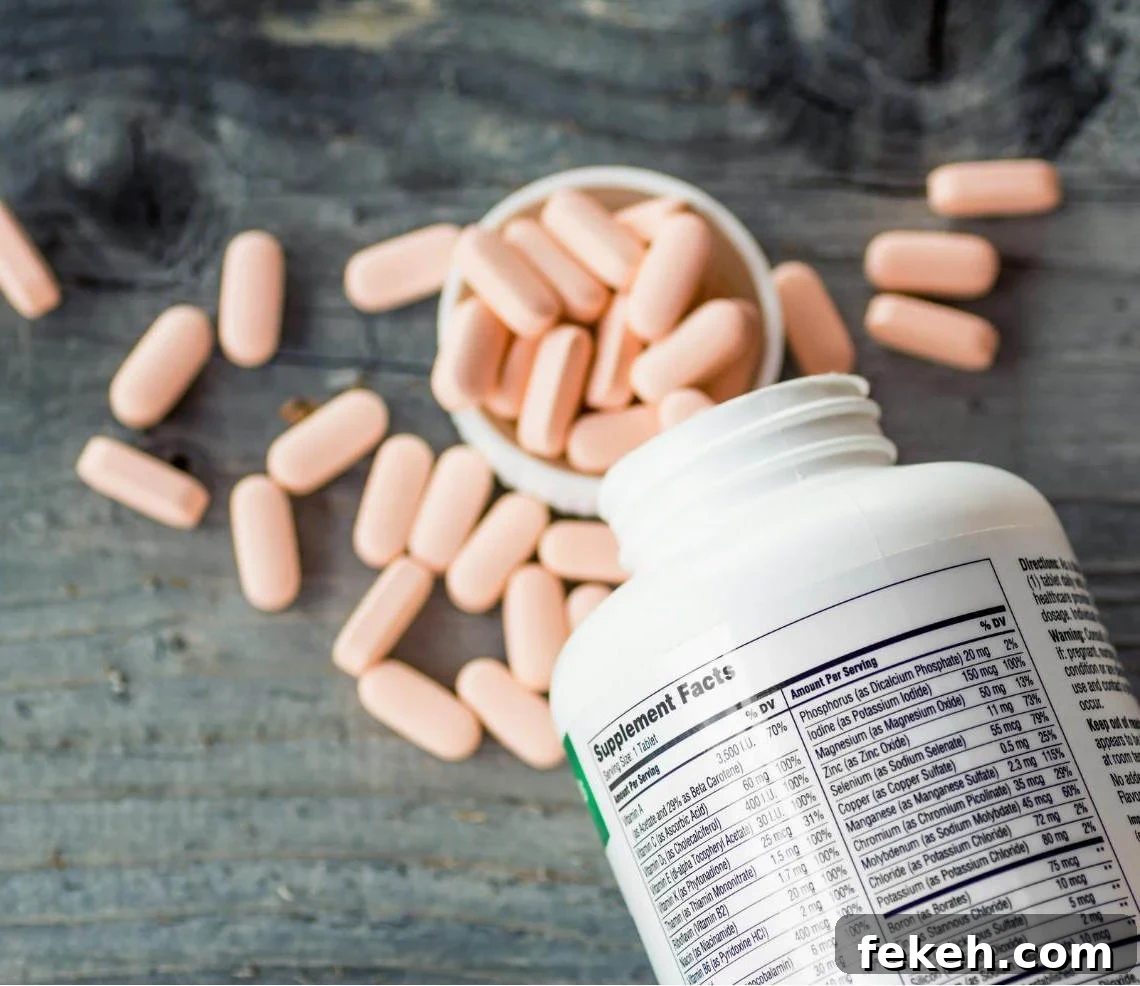
Many supplements promise immune support and other health benefits, but not all meet high-quality or organic standards. To avoid ineffective or harmful products, learn what each supplement contains, how the active ingredients are sourced, and the concentration provided.
How To Choose The Best Clean Supplements
- Avoid large-store generic supplements. Many inexpensive generics are produced with low-quality ingredients and additives sourced from regions with weaker standards.
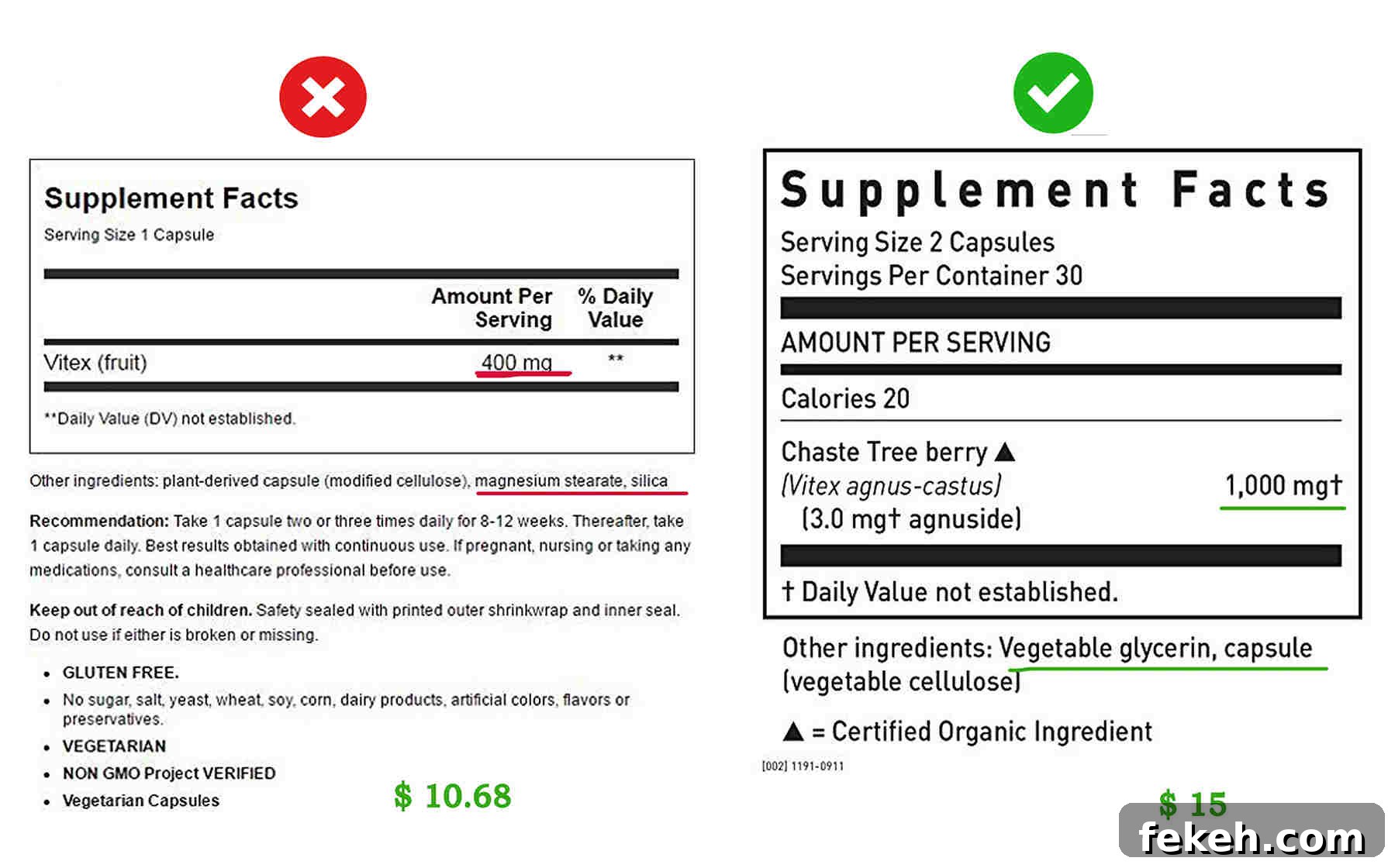
- Watch for fillers. Fillers reduce the amount of active ingredient per dose. Even some organic labels contain binders or fillers—read labels carefully.
- Check for allergens. Supplements can contain gluten, soy, dairy, or other common allergens. If you follow an elimination diet or have sensitivities, verify the ingredient list.
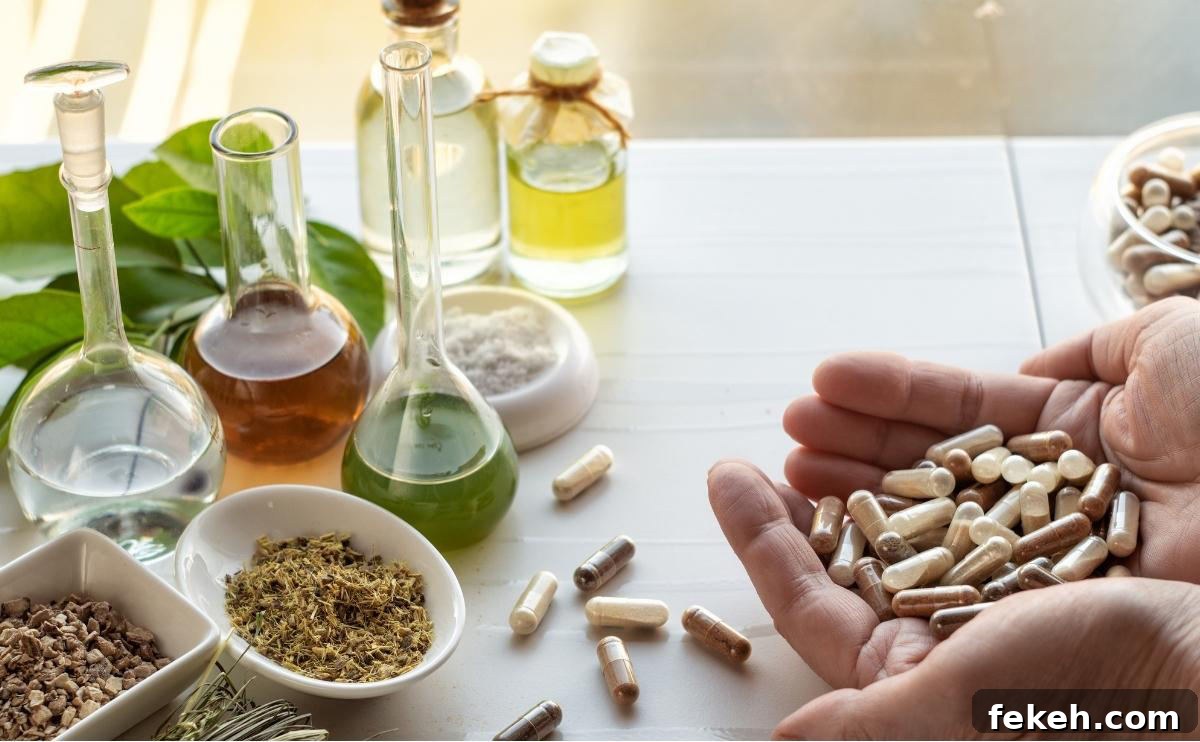
- Look for reputable certifications. Certified organic, non-GMO, and GMP seals or third-party testing marks from independent organizations indicate better manufacturing practices and testing for contaminants. These seals suggest the product contains the ingredients listed and is less likely to be contaminated, though they do not guarantee therapeutic benefit.
- Consider retailer handling and storage. Many supplements require cool, dry storage; some, like certain probiotics, benefit from refrigeration. Ask retailers how products are stored.
- Prefer freeze-dried herbs. Freeze-drying preserves the herb’s natural profile better than air- or spray-drying and helps retain active constituents.
- Choose liquid-filled capsules or liquids for faster absorption. Liquids are absorbed more quickly because the body does not need to dissolve a compressed tablet first. Tablets vary in quality—some cheap tablets may pass through without breaking down.
- Check potency. Higher potency is generally better when it stays within recommended dosages. Compare concentrations between brands to find more effective formulations.
- Seek scientific evidence. Look for studies in reputable journals and databases to confirm whether a supplement or specific extract has demonstrated benefits. The Dietary Supplement Label Database can help you compare labeled amounts with recommended intakes.
- Avoid gelatin capsules when possible. Gelatin is derived from animal byproducts and may come from animals not raised organically. Vegetarian capsule options are widely available.
- Watch liquid vitamins for sweeteners and flavors. Many liquid formulations include artificial sweeteners or flavorings to mask tastes—opt for unsweetened or minimally flavored options.
- For tinctures, check the herb-to-solvent ratio. Stronger ratios (for example 1:1 or 1:2) indicate a more concentrated tincture than 1:5.
- Avoid purchasing unregulated supplements from overseas sellers. These products carry higher risks of contamination or adulteration.
- Confirm need by testing. If unsure whether you require a specific vitamin, ask for a blood test. High intakes of certain vitamins, especially synthetic forms, can be harmful.
- Be cautious of marketing claims. Terms like “all-natural,” “clinically proven,” or “antioxidant-rich” can be vague. Evaluate the product based on ingredients and evidence, not slogans.
- Buy supplements only when you know what and how much to take. Avoid impulse purchases based on ads or anecdotes.
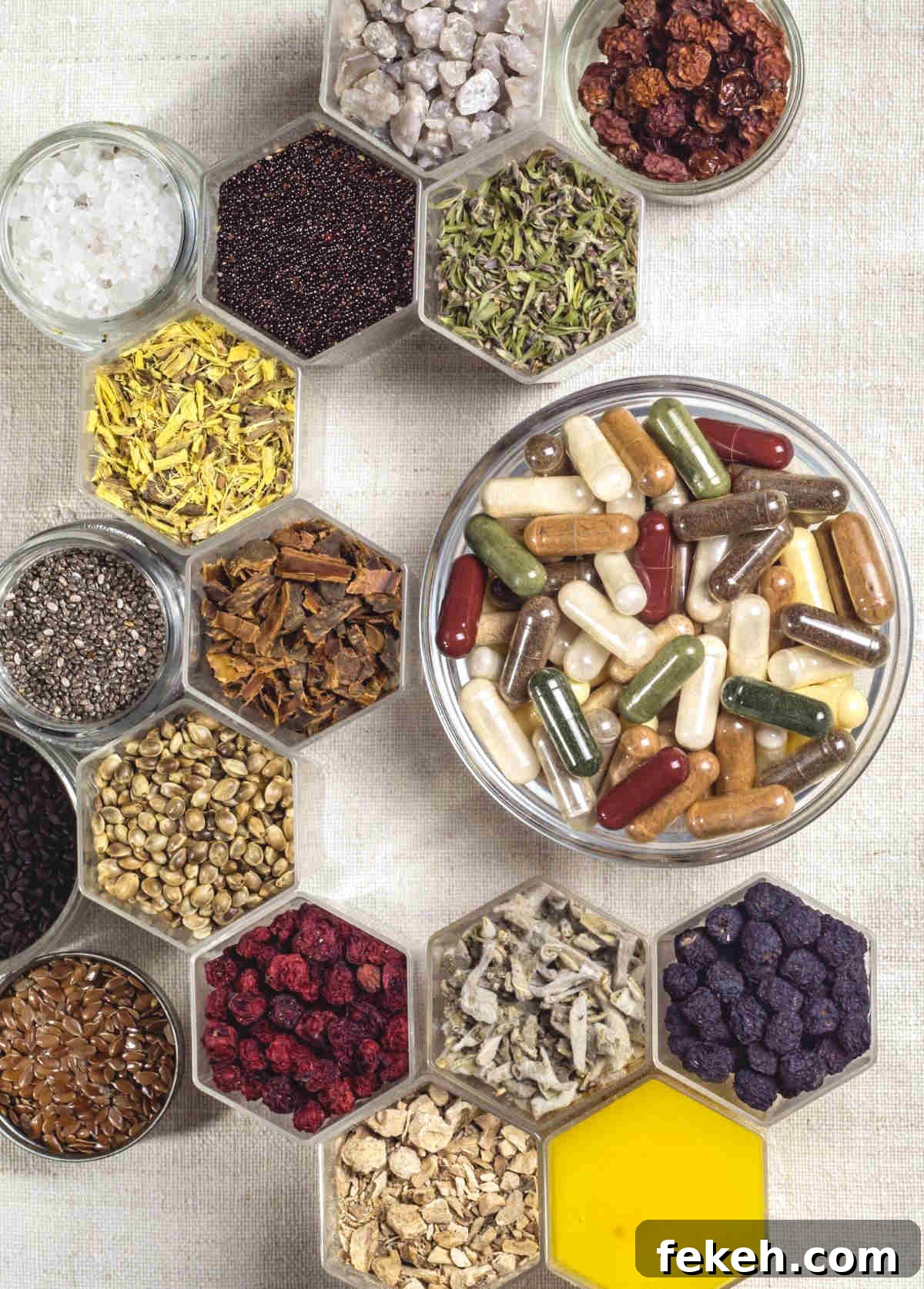
Many shoppers pick supplements based on ads or recommendations without checking quality. Below are additional criteria to help distinguish high-quality organic or clean supplements.
Supplement Composition
Cheap, mass-market supplements often use synthetic ingredients, preservatives, and low-cost fillers. These products are commonly found in large drugstore chains and discount retailers. Note that a “natural” label may allow a small percentage of actual plant-derived content—read labels to confirm the source and quantity of ingredients.
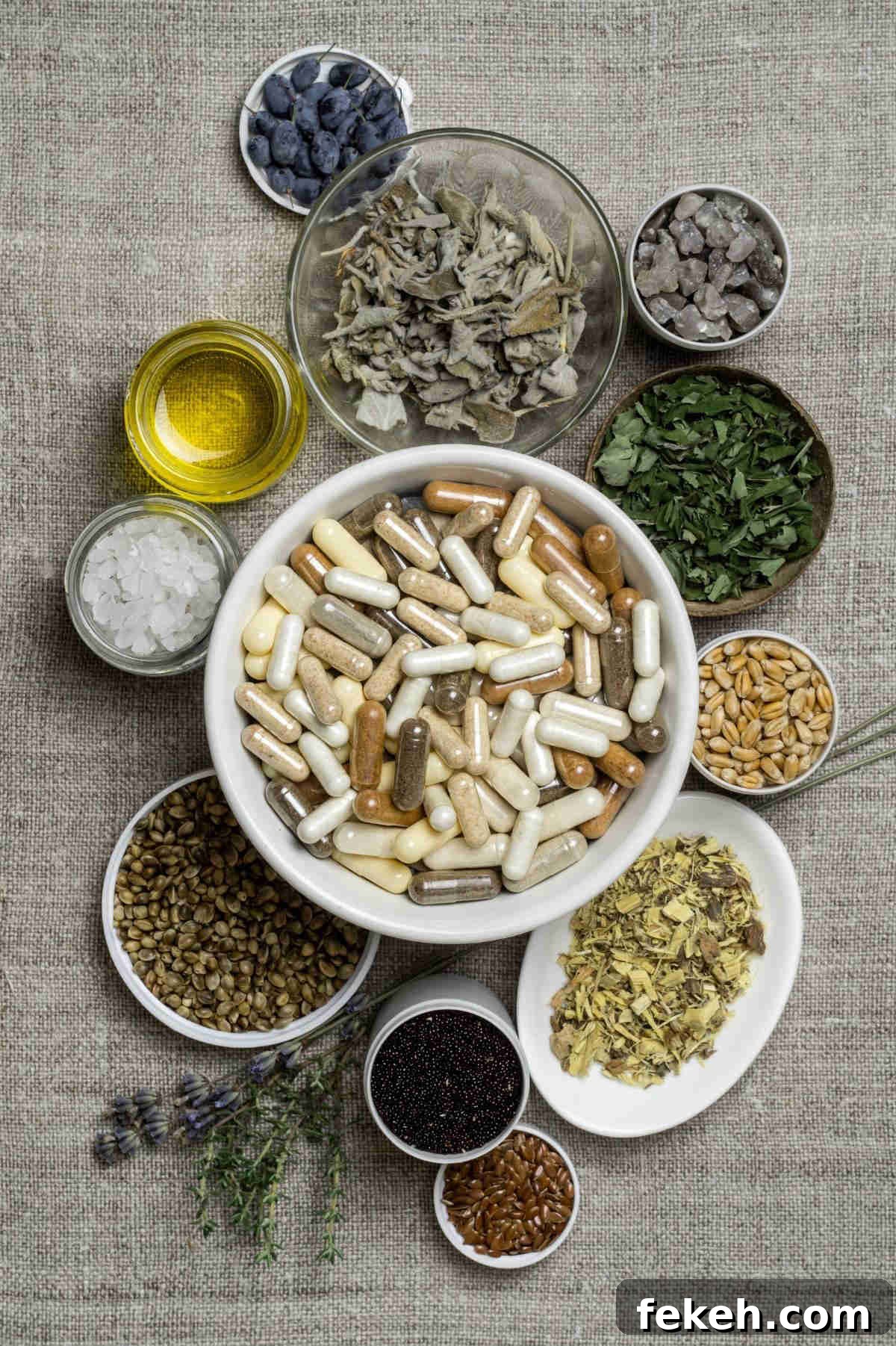
Whole-food sources are preferable. Natural vitamins made from identifiable foods—fruit, yeast, vegetables—are generally a better option than synthetic isolates. The FDA allows a range of additives, so manufacturers often choose cheaper materials unless a brand maintains strict standards.
Supplement Ingredients To Avoid
Artificial Colors
Artificial dyes (FD&C Blue No. 1, Red No. 40, Yellow No. 5, etc.) are often used in children’s vitamins and have been associated with behavioral effects in sensitive individuals. Check labels for unnecessary colorants and choose products without them.
Sweeteners
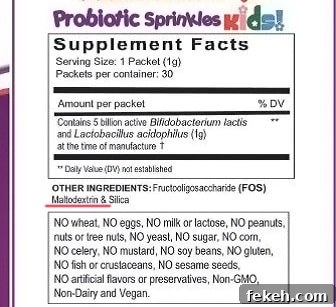
Avoid artificial sweeteners such as saccharin, sucralose, aspartame, maltodextrin, sorbitol, and acesulfame K. Research suggests some artificial sweeteners can alter gut microbiota and contribute to metabolic disturbances. Maltodextrin, commonly used as a filler in probiotics and other supplements, is typically derived from corn, potato, rice, or wheat and may affect people with sensitivities.
Flavors (Natural / Artificial)
Both natural and artificial flavors involve processing and additives. Some flavor formulations contain solvents, emulsifiers, or preservatives that can be problematic for people with allergies or sensitivities. Review ingredient lists and avoid complex flavor blends when possible.
Microcrystalline Cellulose
This refined wood pulp is used as a bulking agent and anti-caking additive. It provides no nutritional benefit and is included to reduce costs—prefer products that avoid it.
Titanium Dioxide
Used to whiten pills, titanium dioxide has raised concerns in some studies about intestinal inflammation and accumulation; people with gut conditions may want to avoid it.
Silicon Dioxide
Used as an anti-caking agent, the safety profile varies with particle form. Engineered nano-particles of silica raise safety questions in some research—look for brands that disclose their ingredient forms and testing.
Magnesium Stearate
A lubricant used in tablet manufacturing, magnesium stearate often comes from hydrogenated oils and can carry pesticide residues if sourced from non-organic crops. Some consumers prefer to avoid it; look for brands that use alternative manufacturing aids or explicitly state purity standards.
Gelatin
Gelatin is typically an animal byproduct; if you avoid animal-derived ingredients, choose vegetarian capsule options that use hypromellose or pullulan.
Magnesium Silicate (Talc)
Used as an anti-caking agent, talc is controversial; many consumers prefer supplements without talc or magnesium silicate.
Hydrogenated Oils
Partially hydrogenated oils are used as cheap fillers and may negatively affect cardiovascular health. If oils are present, ensure they are non-hydrogenated and, ideally, organic.
Other Fillers
Common fillers include dextrins, dextrose, pregelatinized starch, textured plant protein, dextri-maltose, wheat, and lactose. These can cause reactions in sensitive individuals and reduce overall supplement quality.
Supplement Optimal Form And Dosage
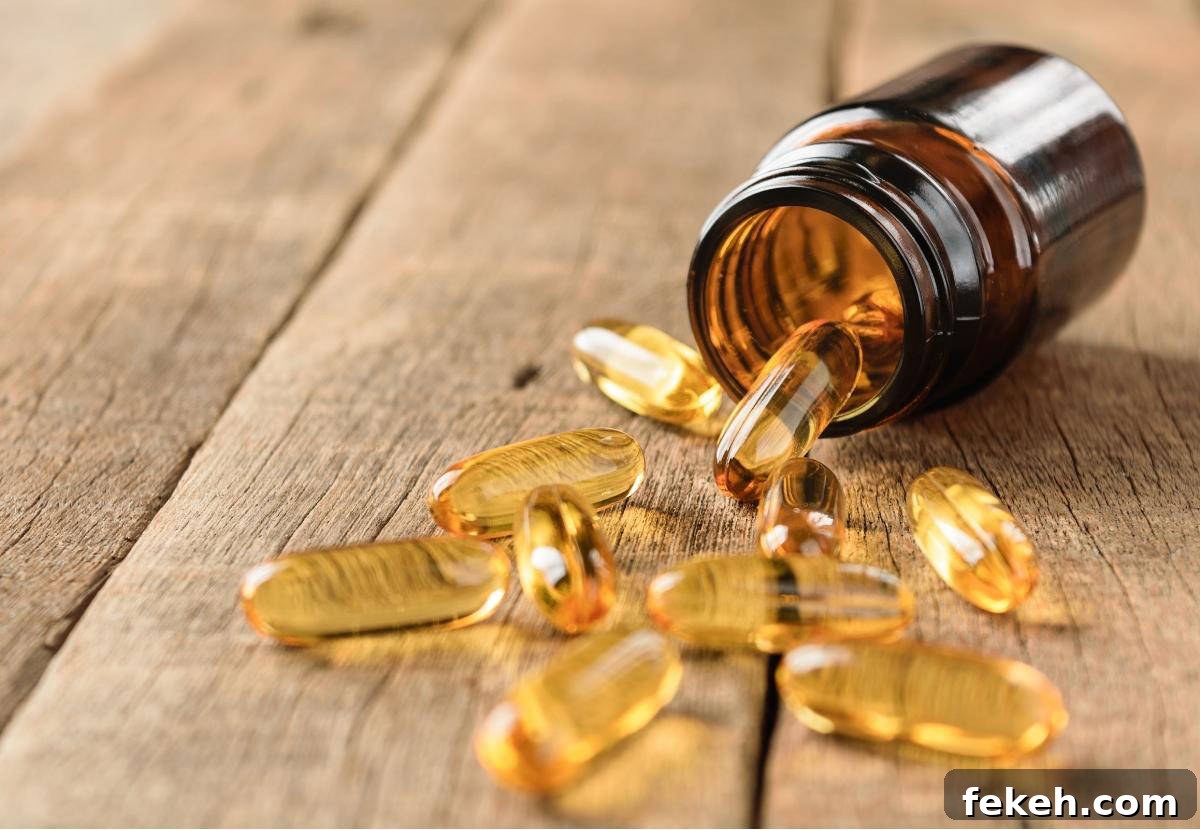
To determine the optimal form and dose, consider your weight, whether you are using the supplement therapeutically or for maintenance, and your individual sensitivity. Package recommendations are based on clinical trials and offer a starting point, but therapeutic doses may differ. Start low and increase slowly with natural supplements to assess tolerance and effect.
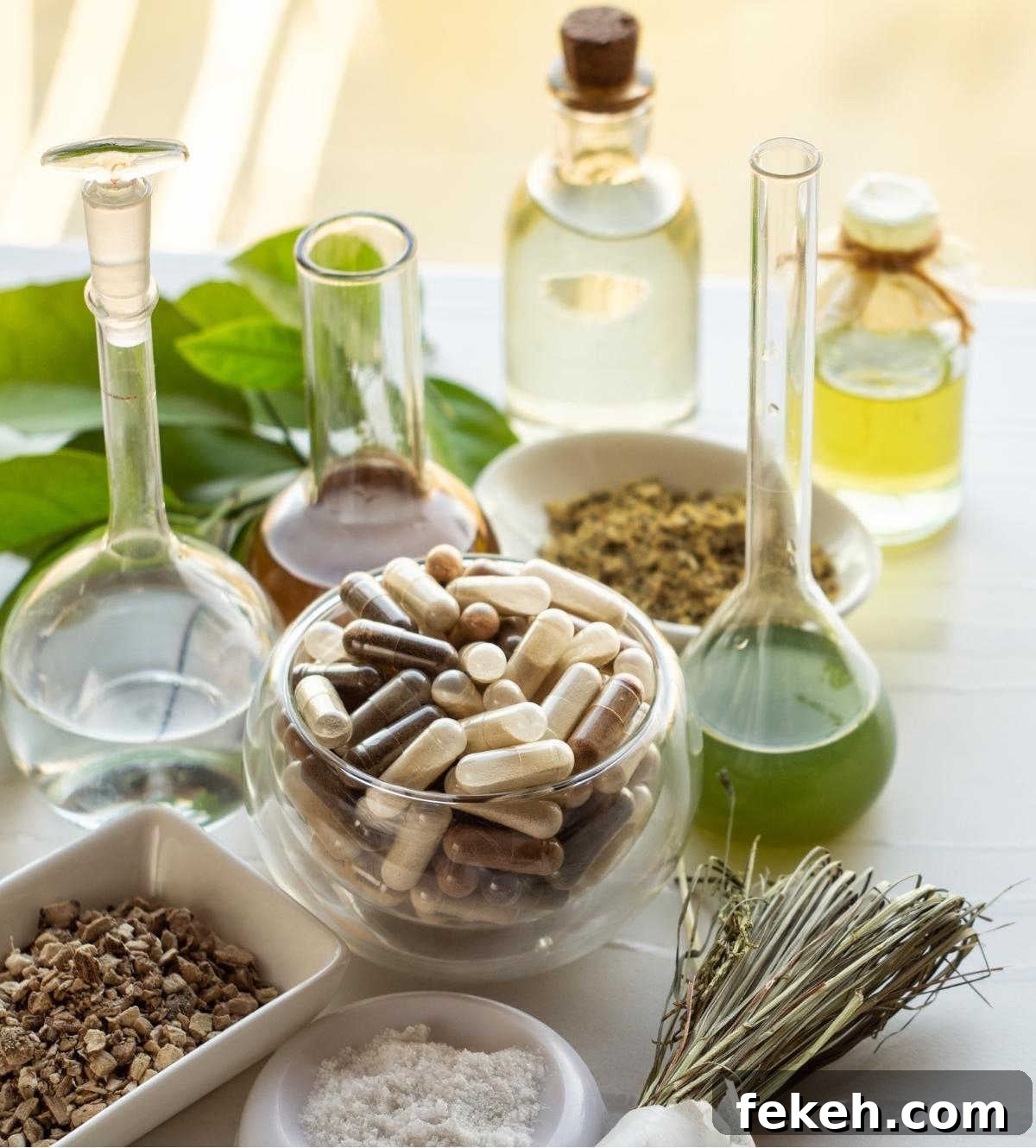
Extract Types and Considerations
1. Liquid Extracts (tinctures)
Tinctures are made by soaking whole herb in water and alcohol or glycerine. They are concentrated, act quickly, and require only small doses. Be mindful of taste and cumulative alcohol intake if using multiple tinctures.
2. Dried Powdered Extracts
Powdered extracts are concentrated and often the most potent form. Confirm the solvent and testing for residual solvents when buying powdered extracts.
3. Essential Oils
Essential oils are steam-distilled concentrates useful in small amounts. They can be irritating to mucous membranes and should be used cautiously.
4. Liposomal Blends
Liposomal formulations encapsulate phytochemicals in fat to improve absorption and reduce stomach irritation. They can be costly; consuming supplements with a healthy dietary fat can sometimes improve uptake similarly.
Natural Supplements Dosage
Dosage depends on weight, purpose (therapeutic vs maintenance), and personal responsiveness. Use recommended daily intakes as a baseline and consult clinical research for therapeutic dosing. Start with a low dose of natural supplements and increase gradually to monitor effects; synthetic supplements carry a higher overdose risk and require caution.
Tips To Increase Your Supplement’s Effectiveness
- Store supplements properly. Keep them cool, dry, and away from sunlight to preserve potency.
- Use probiotics to aid absorption. Probiotics support digestion and nutrient uptake. Fermented foods or a quality probiotic can enhance vitamin and mineral absorption.
- Cycle medicinal herbs. For tonic herbs or adaptogens, practitioners often recommend periodic breaks to maintain effectiveness.
- Space supplements to avoid interactions. Some nutrients compete for absorption—separate vitamin C and B12, zinc and copper, or iron and calcium by a couple of hours when possible.
- Be aware of herb–drug interactions. Herbs like St. John’s wort, ginseng, and others can affect prescription drugs. Consult your healthcare provider when taking medications.
- Use supplements to complement a healthy diet. Supplements are not a substitute for nutrient-dense whole foods—eat organic produce, high-quality proteins, and healthy fats alongside supplementation.
- Choose broad-spectrum, vegetarian enzymes. For digestive support, higher-potency, vegetarian enzyme blends without unnecessary “other ingredients” are preferable.
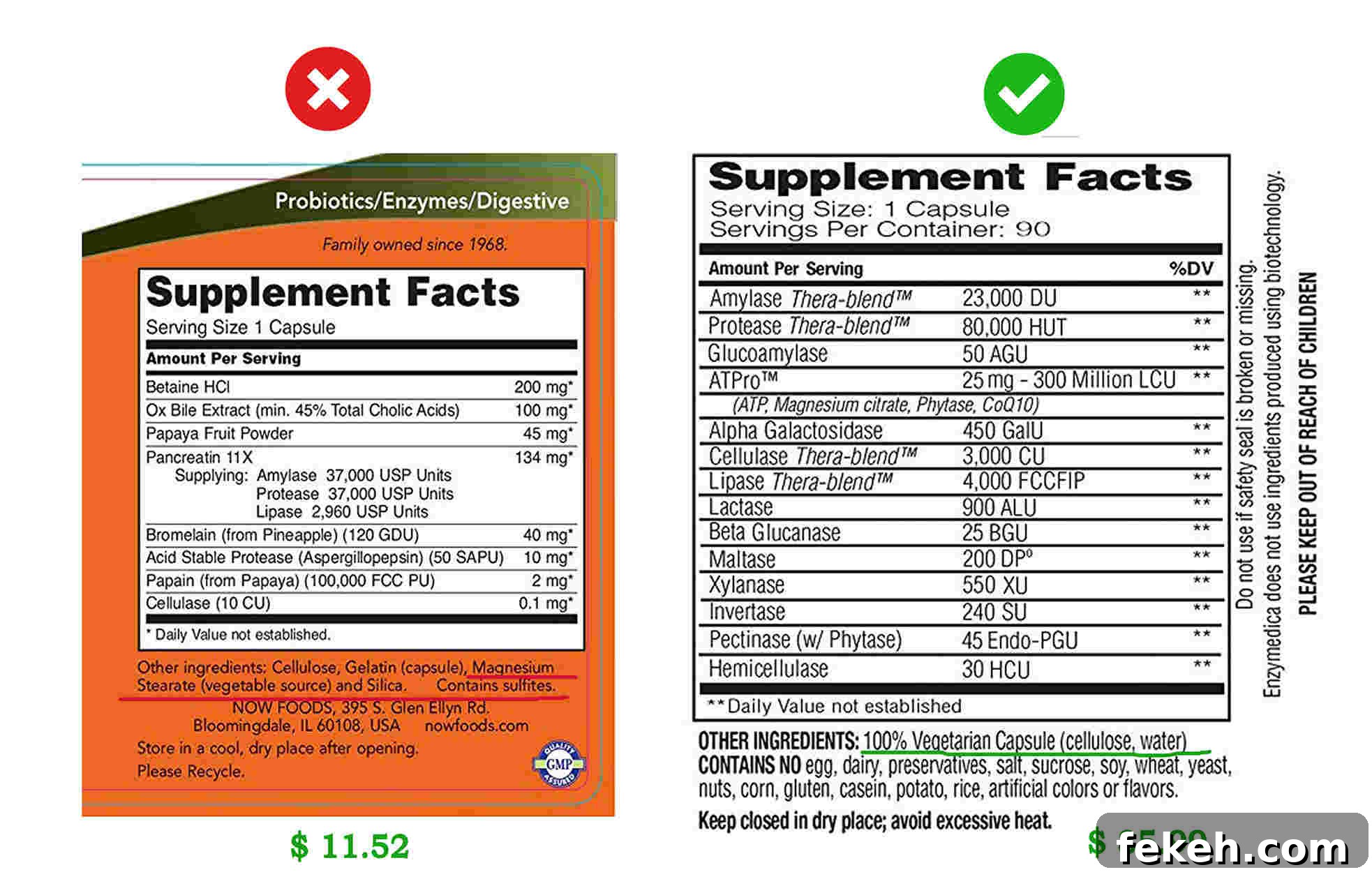
High-quality clean supplements are available if you know what to look for: transparent sourcing, third-party testing, clear ingredient lists without unnecessary fillers, and appropriate potency. Favor brands with consistent quality and independent verification.
Some Of The Cleanest Supplement Brands:
Reputable manufacturers known for higher standards in sourcing, testing, and manufacturing include:
- Gaia
- Pure Synergy
- Eclectic Institute
- Herb Pharm
- Oregon’s Wild Harvest
- Garden Of Life
- Himalaya
- MegaFood
- Global Healing
Conclusion
If you lack time to research every product, identify a few trustworthy brands that follow strict sourcing and testing practices and stick with them. We live with more environmental toxins than past generations, and targeted supplementation can help address nutrient shortfalls—provided you choose clean, high-quality products. Avoid low-quality supplements that introduce additional toxins, and prioritize brands that are transparent about ingredients and testing.
More Health Articles You Might Like
©HealthyTasteOfLife. Content and photographs are copyright protected and need prior permission to use. Copying and/or pasting full recipes to other websites and any social media is strictly prohibited. Sharing and using the link of this recipe is both encouraged and appreciated.