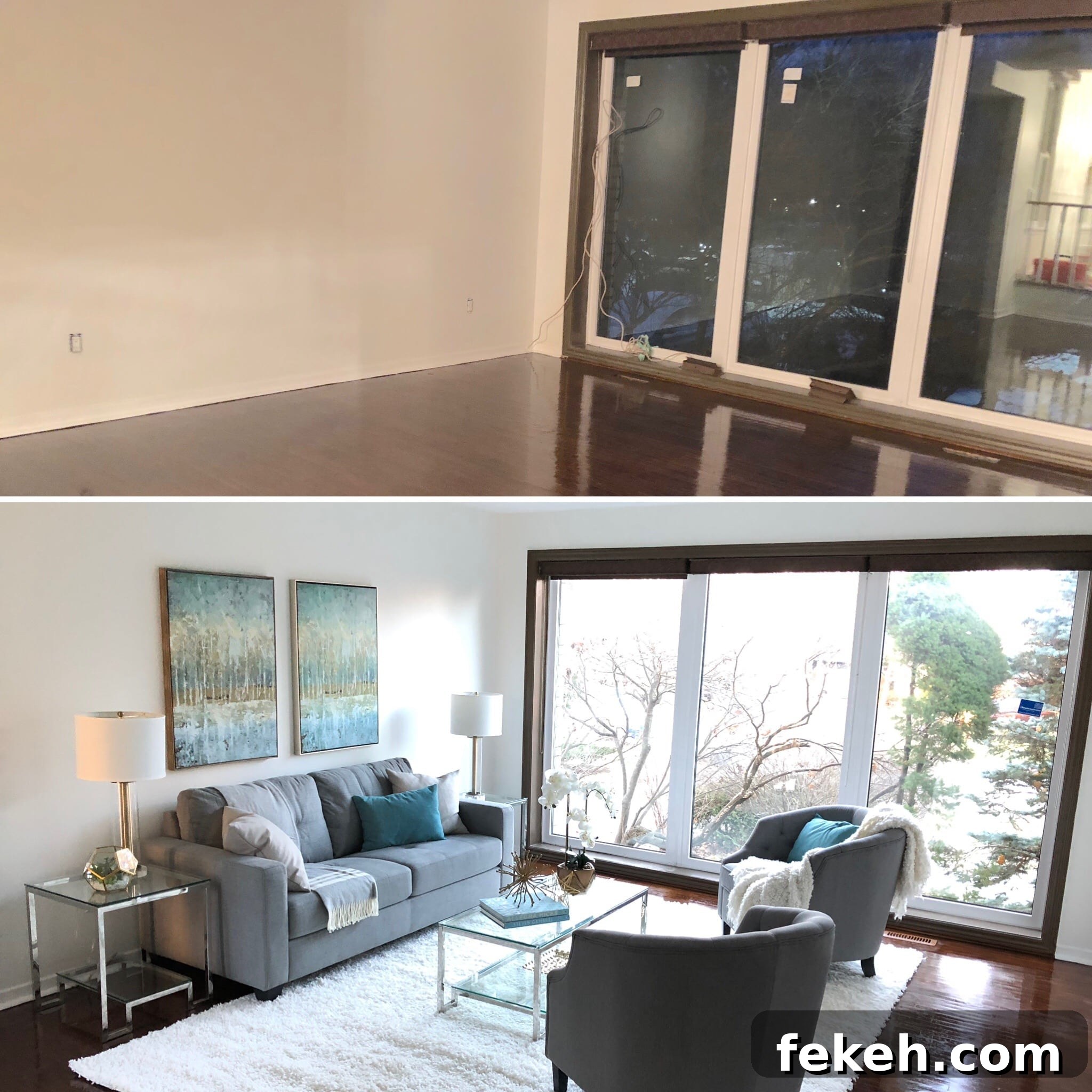
The process of home decorating has transformed significantly with the rise of online stores. Real estate and interior presentation are constantly evolving, and digital retail has introduced new levels of convenience, choice, and creativity.
Traditional, shop-centered workflows are giving way to streamlined online processes that make staging faster, more affordable, and more adaptable. Below are seven ways online stores are reshaping the home staging industry and equipping professionals with better tools to present properties effectively.
1. Broader Product Variety
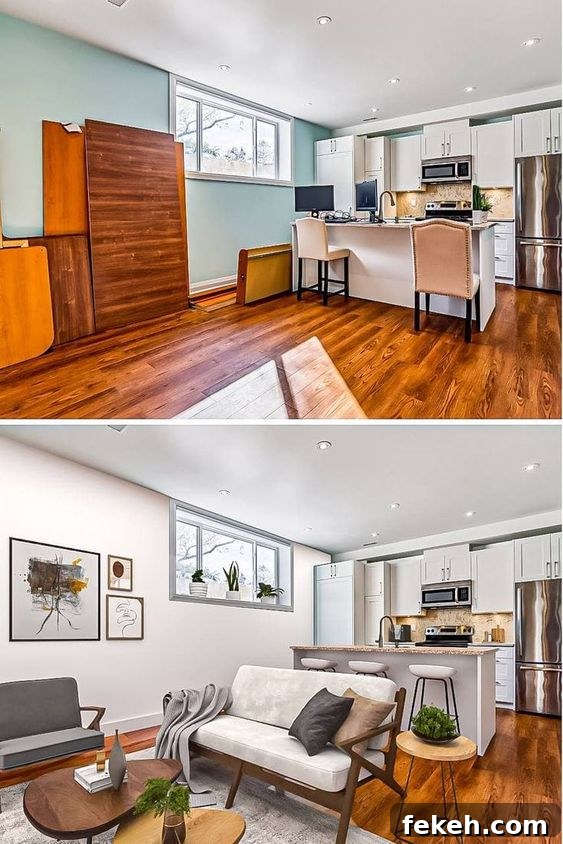
One of the clearest advantages of online retail is the breadth of products available. E-commerce platforms offer furniture, lighting, textiles, artwork, and accessories in many styles—from minimalist and contemporary to traditional and eclectic. This depth of inventory allows stagers to assemble cohesive, layered looks tailored to each home and its target buyer.
Having such variety at hand helps professionals create distinctive spaces that highlight a property’s strengths and appeal to a wider market. Rather than forcing a one-size-fits-all approach, stagers can mix and match pieces that enhance architectural features and reinforce the desired lifestyle message.
2. Convenience and Time Efficiency
Online stores reduce the legwork involved in sourcing decor. Instead of visiting multiple physical shops, professionals can browse catalogs, compare styles and prices, and place orders from an office or mobile device. Built-in filters and curated collections speed up selection, while centralized ordering simplifies logistics.
This efficiency lets stagers handle more projects and respond more quickly to client timelines. Faster procurement also supports last-minute refreshes that can improve listing photos and open-house appeal without disrupting schedules.
3. More Cost-Effective Options
There’s a misconception that effective staging requires a large budget. In reality, online marketplaces make it easier to source attractive, affordable pieces that maintain quality. Range of price points—from budget-friendly accents to investment items—enables smart spending that maximizes visual impact without unnecessary cost.
Lower barriers to entry broaden the pool of homeowners and agents who can benefit from staging, improving overall listing presentation across markets. Cost-effective staging can accelerate sales and increase buyer interest without inflating expenses for sellers.
4. Virtual Staging and Digital Tools
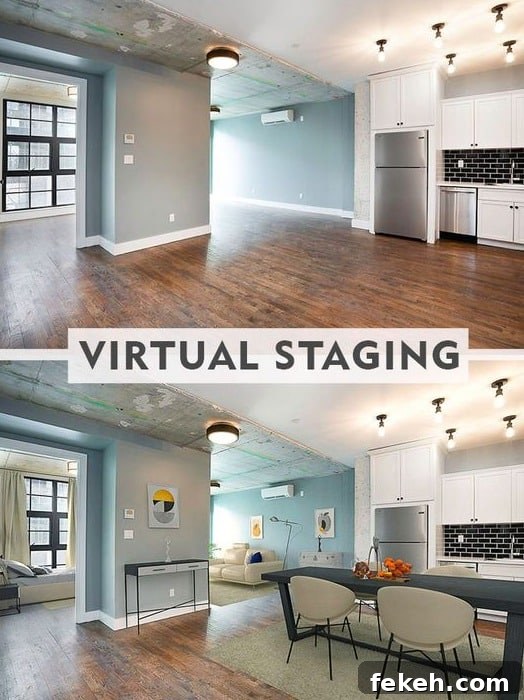
Digital staging tools are now widely available through many online stores. High-quality product visuals and 3D room planners allow stagers and agents to create virtual mockups that demonstrate a property’s potential without physically moving furniture. Virtual staging is faster and often less expensive than on-site staging, and it works especially well for vacant listings.
These virtual renderings can be used in marketing materials, online listings, and social media to help buyers visualize spaces. When paired with carefully chosen real products, digital staging becomes a flexible way to test layouts and concepts before any purchase or installation.
5. Personalization and Customization
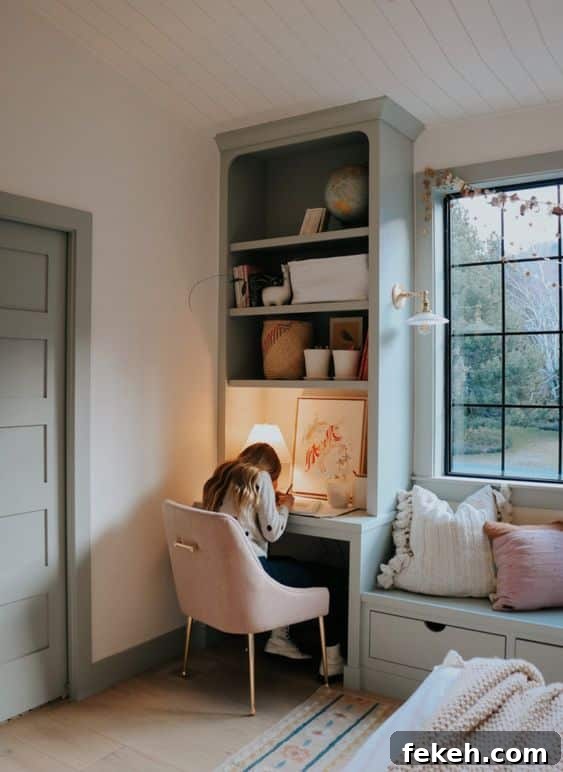
Online platforms increasingly support customization, from color and fabric choices to modular furniture configurations. This capability helps stagers adapt pieces to a property’s scale and character—whether dressing an older home with period-appropriate accents or outfitting a modern condo with sleek, space-saving items.
Customization enables a more personalized approach that speaks directly to prospective buyers’ tastes and expectations. Matching finishes, textures, and proportions to the home’s architecture strengthens the emotional connection buyers form when viewing a staged space.
6. Educational Resources and Professional Support

Many online stores offer more than products: they provide editorial content, buying guides, trend reports, and curated collections that help professionals refine their craft. Access to styling tips, measurement guides, and product pairings can speed decision-making and improve staging outcomes.
Some platforms also feature trade programs and dedicated support for staging professionals, offering bulk pricing, exclusive product lines, or project-management tools that simplify procurement and installation for larger jobs.
7. Community and Collaboration

Online ecosystems foster communities where designers, stagers, and real estate professionals can exchange ideas and showcase work. Forums, social features, and user galleries create opportunities for collaboration, feedback, and inspiration.
These networks help raise overall standards in the staging industry by encouraging knowledge sharing and experimentation. Peer insights and shared case studies make it easier to adopt successful techniques and avoid common pitfalls.
Conclusion
Online stores have fundamentally changed how home staging is planned and executed. They deliver product variety, time savings, cost-effective alternatives, virtual tools, personalization, educational resources, and community support. Together, these benefits empower staging professionals to present properties in their best light and respond quickly to shifting market demands.
As technology and consumer preferences continue to evolve, online retail will remain a driving force in the future of home presentation, enabling more creative, efficient, and targeted staging solutions.
Frequently Asked Questions
Is virtual staging as effective as physical staging?
Virtual staging is an effective and economical way to show a home’s potential, particularly for vacant properties. When used alongside high-quality photography and realistic renderings, it can attract buyer interest similar to physical staging.
How do online stores support staging budgets?
Online platforms offer a spectrum of price points and curated budget-friendly options, allowing stagers to balance cost and visual impact. This flexibility helps make professional staging accessible to more sellers.
Can online customization meet the needs of different property types?
Yes. Many online retailers provide customization and modular solutions that allow stagers to tailor designs for historic homes, family residences, urban apartments, and luxury properties alike.