Journey into the world of food science and discover how basic scientific principles transform ingredients into delicious dishes. Below are six essential concepts that home cooks can use to better understand how food behaves, improve technique, and create more flavorful meals.
This post may contain affiliate link(s). As an Amazon Associate, I earn from qualifying purchases. See Disclosures.
Food science and the home kitchen
Food science brings together biology, chemistry and nutrition to explain how ingredients behave and how processing, temperature and time change food. Professional food scientists apply these ideas to create safe, nutritious and appealing products—tackling everything from packaging and shelf life to recipe scaling and the balance of salt, sugar and fat that makes certain snacks so compelling.
For home cooks, you don’t need a lab to benefit from food science. Understanding a few foundational concepts helps you predict outcomes, troubleshoot mistakes and make intentional choices that improve texture, flavor and appearance in everyday cooking.
FDL’S 75 Best Bites

Our cookbook collection of 75 reliable, easy-to-follow recipes is designed to be a practical kitchen companion. Created by experienced chefs and recipe developers, it offers straightforward dinners and tested techniques to simplify mealtime while improving results.
Get the Recipe: FDL’S 75 Best Bites
6 Basic principles
There are many scientific principles behind cooking, but these six are especially useful for the home kitchen. Each explains what’s happening as ingredients transform under heat, agitation or time—and knowing them will help you produce better, more consistent dishes.
Caramelization
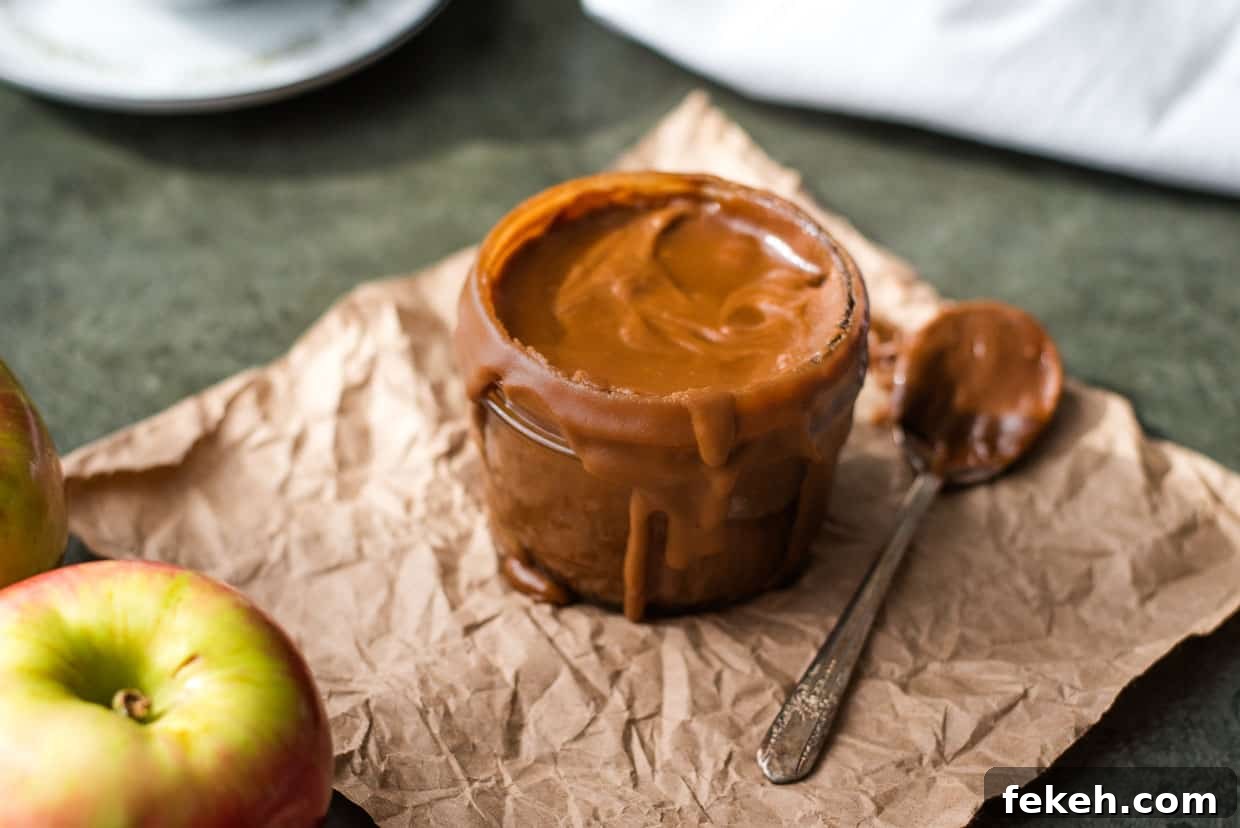
Caramelization is the browning and flavor development that occurs when sugars are heated. When plain sugar melts and darkens over low to medium heat, it produces the nutty, complex flavors associated with caramel. Using brown sugar or naturally sweet ingredients like fruit yields deeper, richer notes—think butterscotch or roasted fruit compotes. Controlled heat and patience are key; too-high heat burns the sugar and creates bitterness, while gentle heat encourages layered flavor.
Maillard reaction
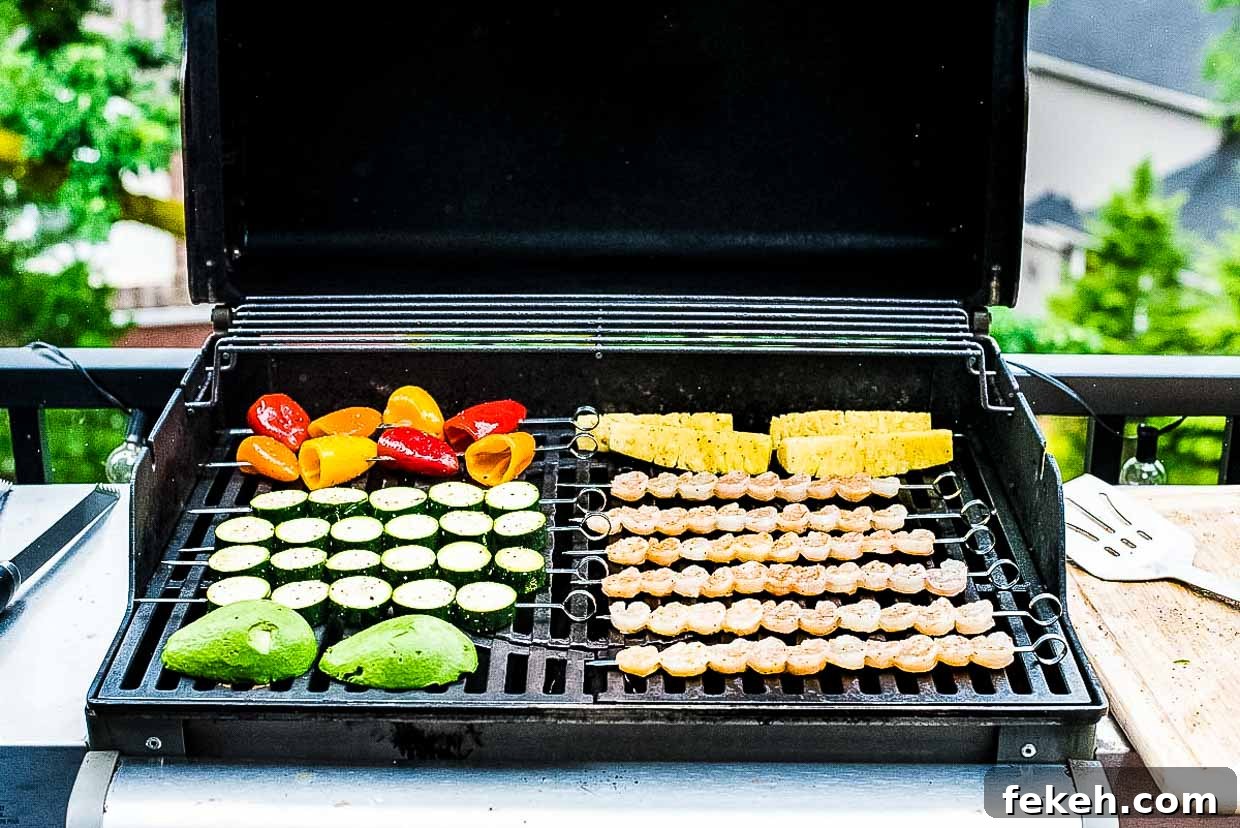
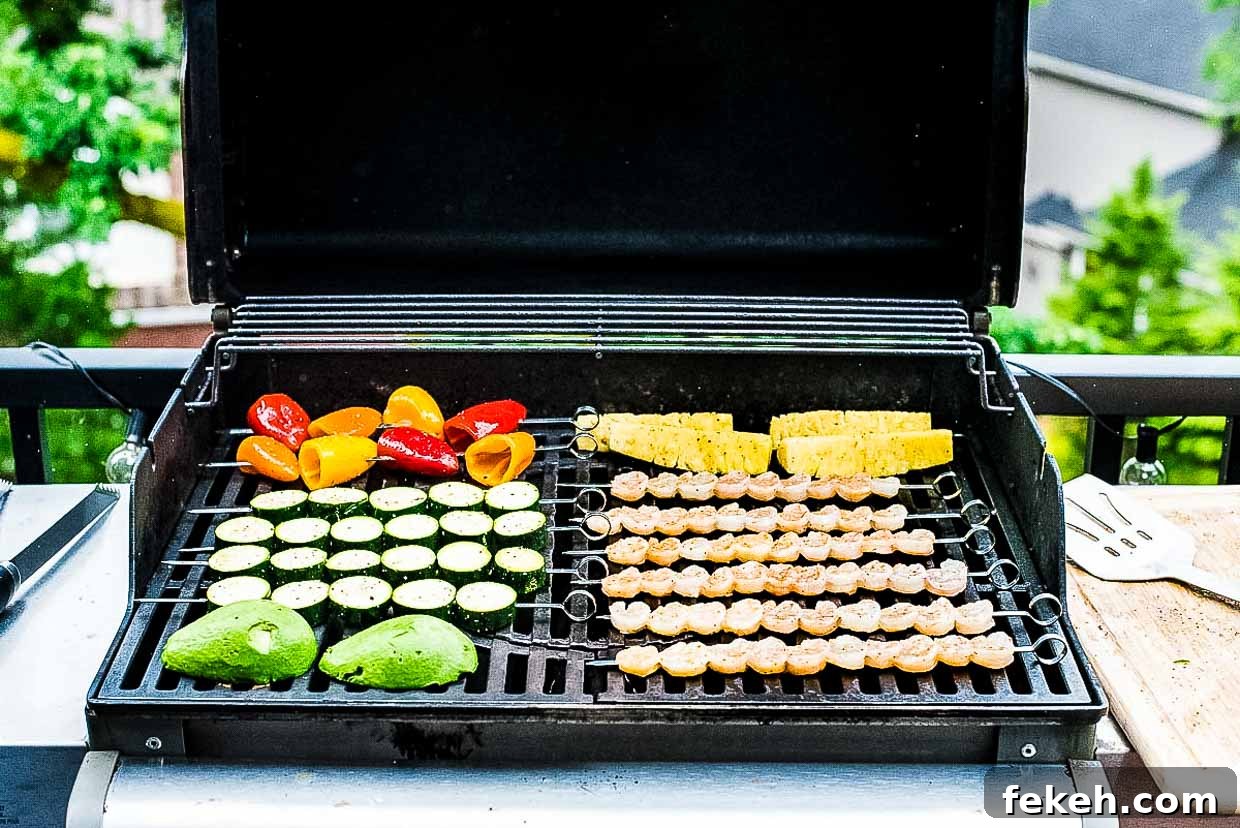
The Maillard reaction creates browning when sugars react with amino acids, producing complex savory and roasted flavors. It’s the reason a seared steak has a rich crust, why roasted coffee and cocoa develop deep aromatics, and why baked goods take on an appealing golden color. High, dry heat and surface dryness favor the Maillard reaction, so techniques like patting meat dry before searing or roasting vegetables on a hot sheet improve flavor development.
“When it comes to a mouthwatering steak, one of the key components is a little food science known as the Maillard reaction. That’s the crust that forms when the meat hits the hot pan and gives your steak the edge-to-edge crust or perfect grill marks before you slice into the medium-rare center. It’s not just pretty to look at, but it gives each bite a desirable texture and is an essential part of enjoying every bite.”
— Kita Roberts GirlCarnivore
Gelatinization
Gelatinization describes how starches thicken liquids when heated. As starch granules absorb liquid and swell, they burst and release molecules that create a glossy, viscous texture. This principle is behind gravies, creamy risottos and custards. Controlling heat and stirring helps promote even gelatinization and prevents lumps—start with cold liquid when making a slurry and gradually introduce heat to allow starches to hydrate uniformly.
Denaturation and coagulation
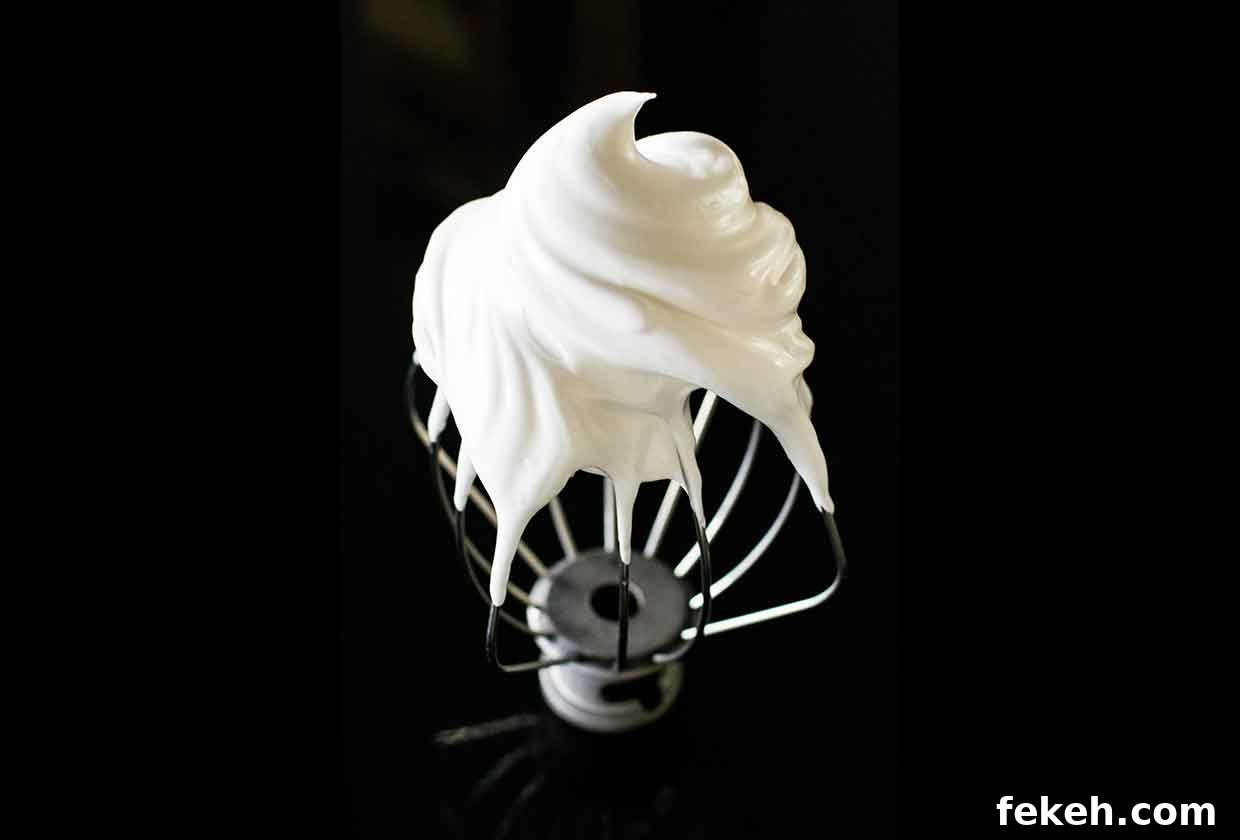
Denaturation is the structural change proteins undergo when exposed to heat, acid or mechanical action; coagulation is the subsequent firming or setting of those proteins. Examples include egg whites transforming from translucent liquid to opaque solid when cooked, or milk proteins coagulating into curds when acid is added to make cheese. Mechanical denaturation—such as whipping egg whites—introduces air and alters protein bonds to create foam. These processes change texture, aroma and flavor and often make nutrients more accessible during digestion.
Emulsification
Emulsification combines two liquids that normally separate, such as oil and vinegar, into a stable mixture through mechanical action. Whisking or blending disperses tiny droplets of one liquid throughout the other. Simple vinaigrettes are temporary emulsions, while adding egg yolk, mustard or mayonnaise acts as an emulsifier to stabilize the mixture for longer. Tools like whisks, immersion blenders or food processors speed up emulsification and create smoother, more consistent textures.
Renee N Gardner is the author of Renee Nicole’s Kitchen, a recipe blog focused on seasonal ingredients and practical techniques for home cooks. When she isn’t developing recipes or photographing food, she enjoys gardening, traveling and spending time outdoors with her family.