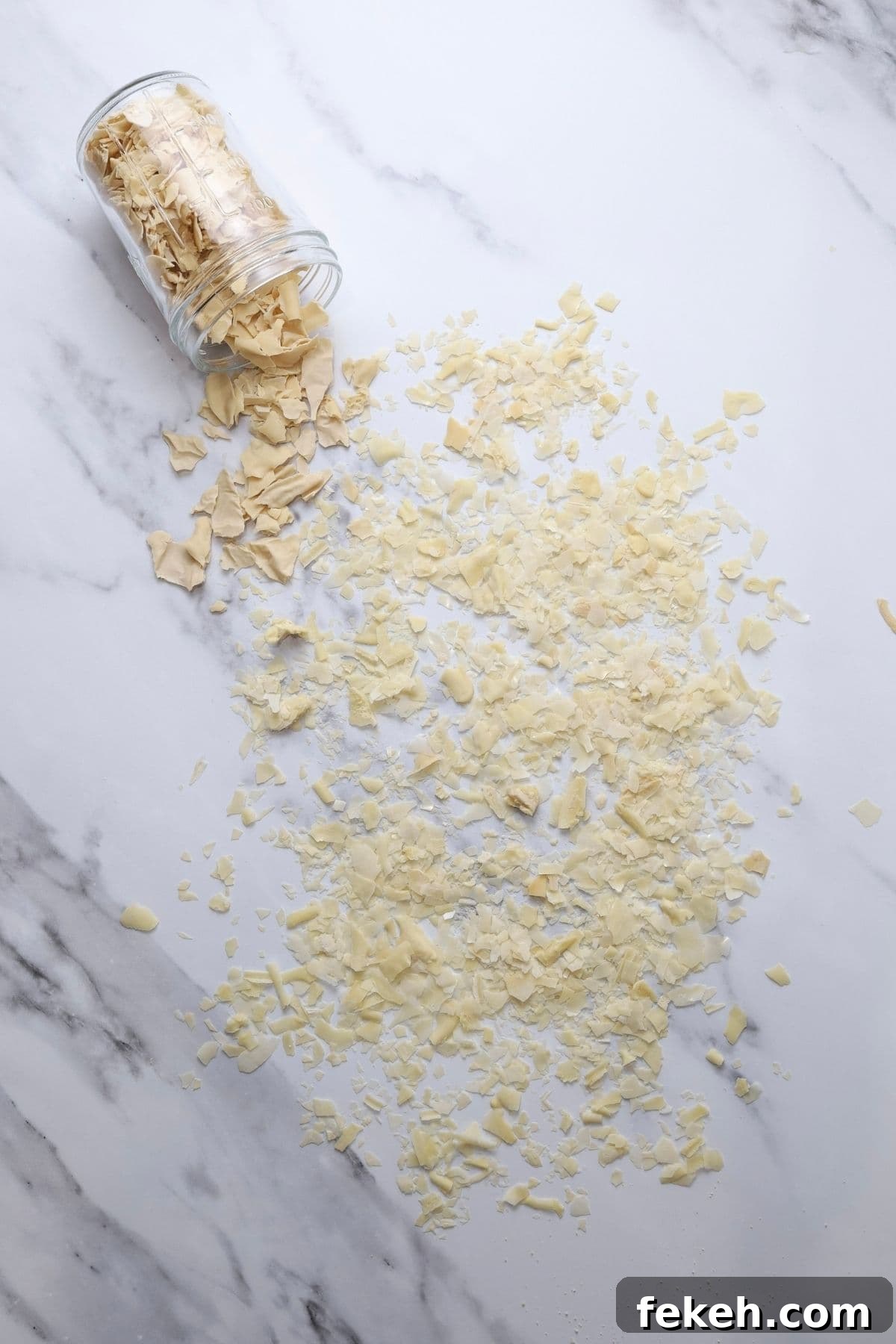
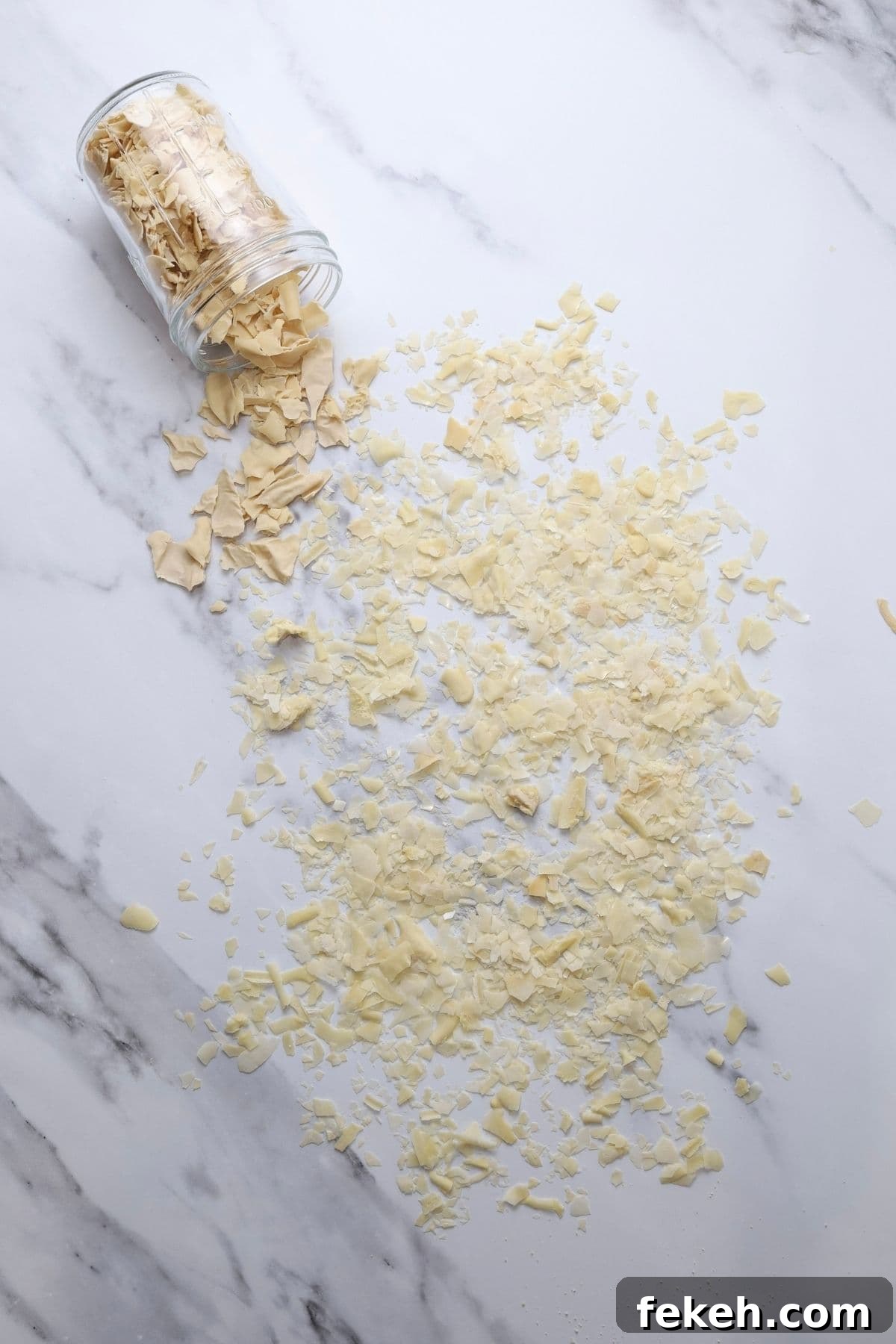
Once your sourdough starter is mature, dehydrating a small portion is a simple way to preserve it indefinitely. Dried starter acts as an insurance policy: if your active starter becomes contaminated, moldy, or is accidentally discarded, you can rehydrate the dried flakes instead of rebuilding a starter from scratch.
Dehydrating reduces the risk of losing your starter from neglect or contamination and gives you peace of mind when you need a backup.
What Equipment Do You Need?
Drying sourdough starter requires very little special equipment. You will need:
- Mature, active sourdough starter
- Parchment paper or a silicone baking mat (silicone mats make cleanup easier)
- A pastry brush or offset spatula for spreading
- An airtight container, ziplock bag, or small jar for storing the dried starter
It’s best to dehydrate only a fully mature starter—don’t dry a starter that’s still in its early months of development. Backing up a mature starter preserves the time and effort you invested in building it.
How To Dry Sourdough Starter
Drying starter is quick and straightforward when room temperatures are moderate. Follow these steps for reliable results:
- Feed your starter so it is active and at its peak. A lively, bubbly starter dehydrates and revives best.
- When the starter reaches peak activity, use a pastry brush or offset spatula to spread a very thin layer across parchment paper or a silicone mat.
- Place the sheet in a warm spot with good air circulation and let it dry completely. Avoid placing it where a strong breeze could blow it away. Plan for at least 4–6 hours; thicker layers can take much longer and may risk spoilage.
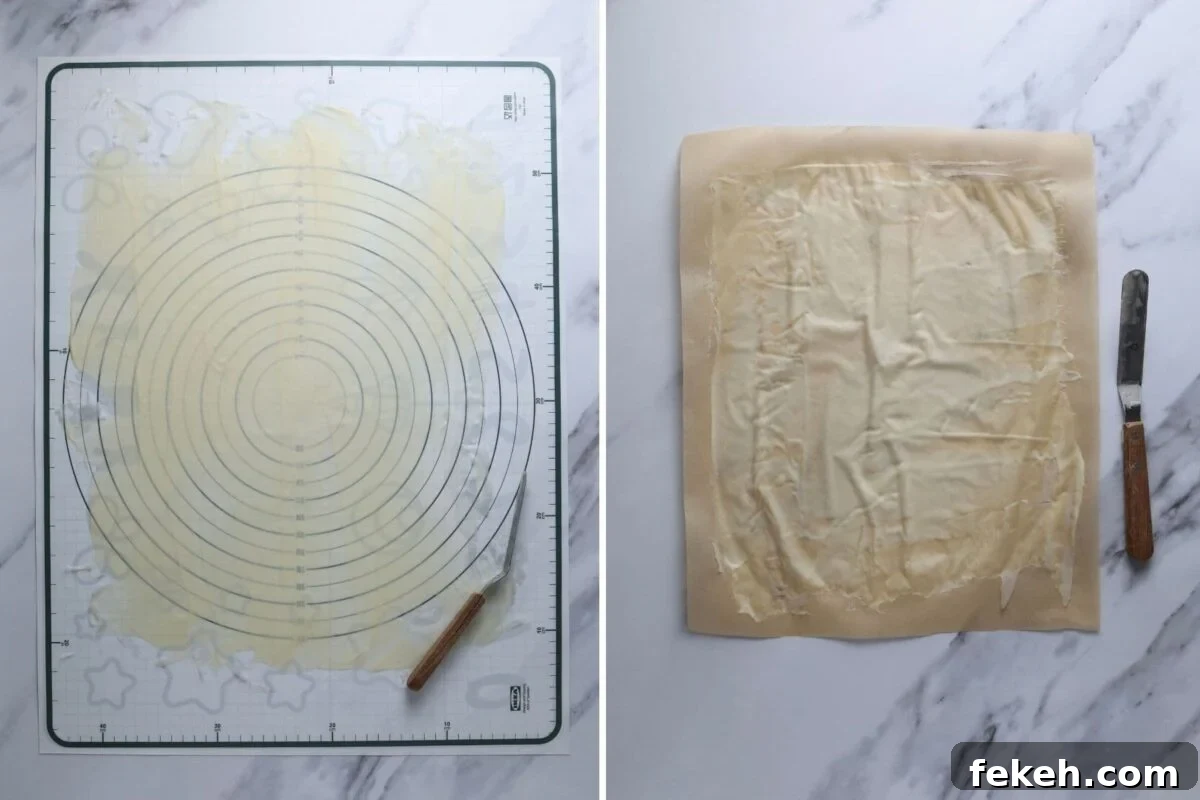
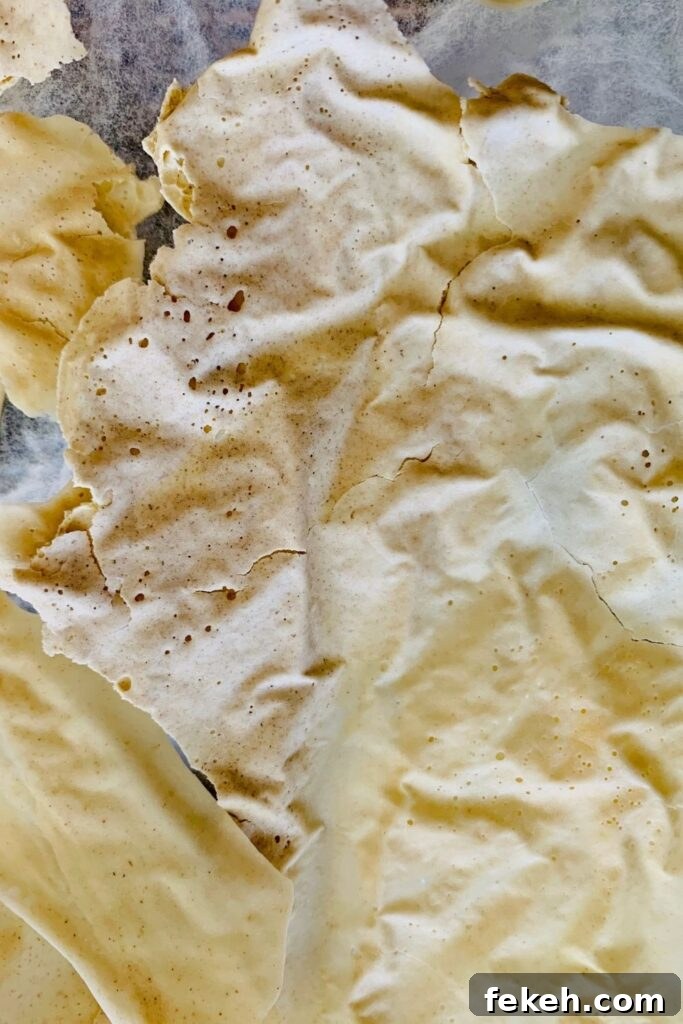
At a typical room temperature around 25°C (77°F), a very thin layer will dry in about 4 to 6 hours until it is dry and crumbly with no remaining moisture. Drying time depends mainly on how thinly you spread the starter—thinner is better. Thick patches take much longer and may develop mold while they dry.
Benefits of Dry Sourdough Starter
Dried starter is simply a dehydrated version of a mature starter; the beneficial yeasts and bacteria remain dormant until rehydrated with water and flour. Reasons to dehydrate your starter include:
- Long-term storage without regular feeding—useful if you’re taking an extended break from baking.
- Easy to transport or send to friends and family.
- Protection against mold, kahm yeast, or contamination—properly stored dried starter can last indefinitely.
- If your active starter becomes moldy or compromised, you can reactivate dried starter rather than beginning again.
- No need to keep a starter in the fridge or freezer if space is limited; dried starter is simpler for long-term backup.
When you want to reactivate your starter, add water and flour to the flakes and follow standard rehydration instructions to bring the culture back to life.
Using A Dehydrator
A dehydrator is an effective and efficient way to dry starter. Line the trays with parchment paper before spreading the starter to prevent drips and mess. Keep the dehydrator temperature below 37°C (98.6°F) to avoid harming the yeast and bacteria. Lower temperatures are preferable if possible. A dehydrator dries starter quickly and evenly without damaging it.
Kate’s Pro Tip
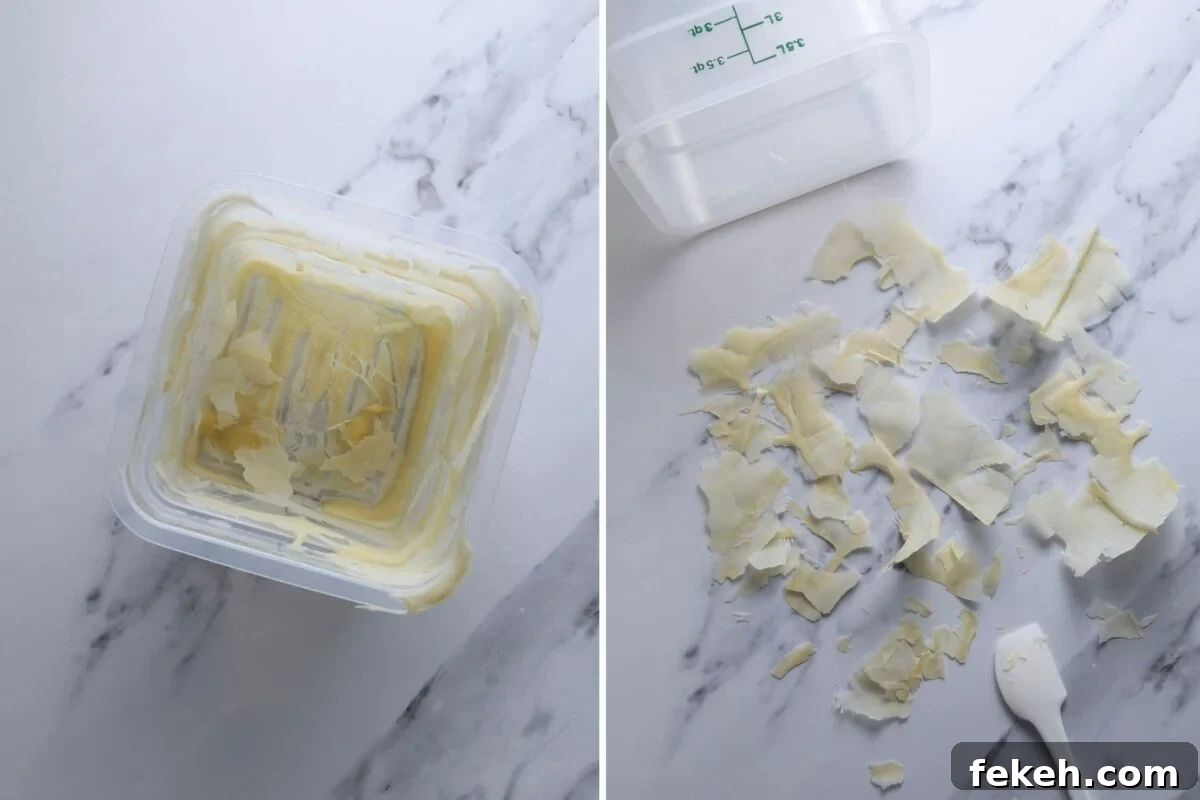
Use A Plastic Container
One simple method is to feed and use your starter from a plastic container. After baking, leave the remaining starter to dry in the container. Within a day the flakes will release easily, giving you dried starter with almost no extra effort and a clean container to store.
How To Store Dried Sourdough Starter
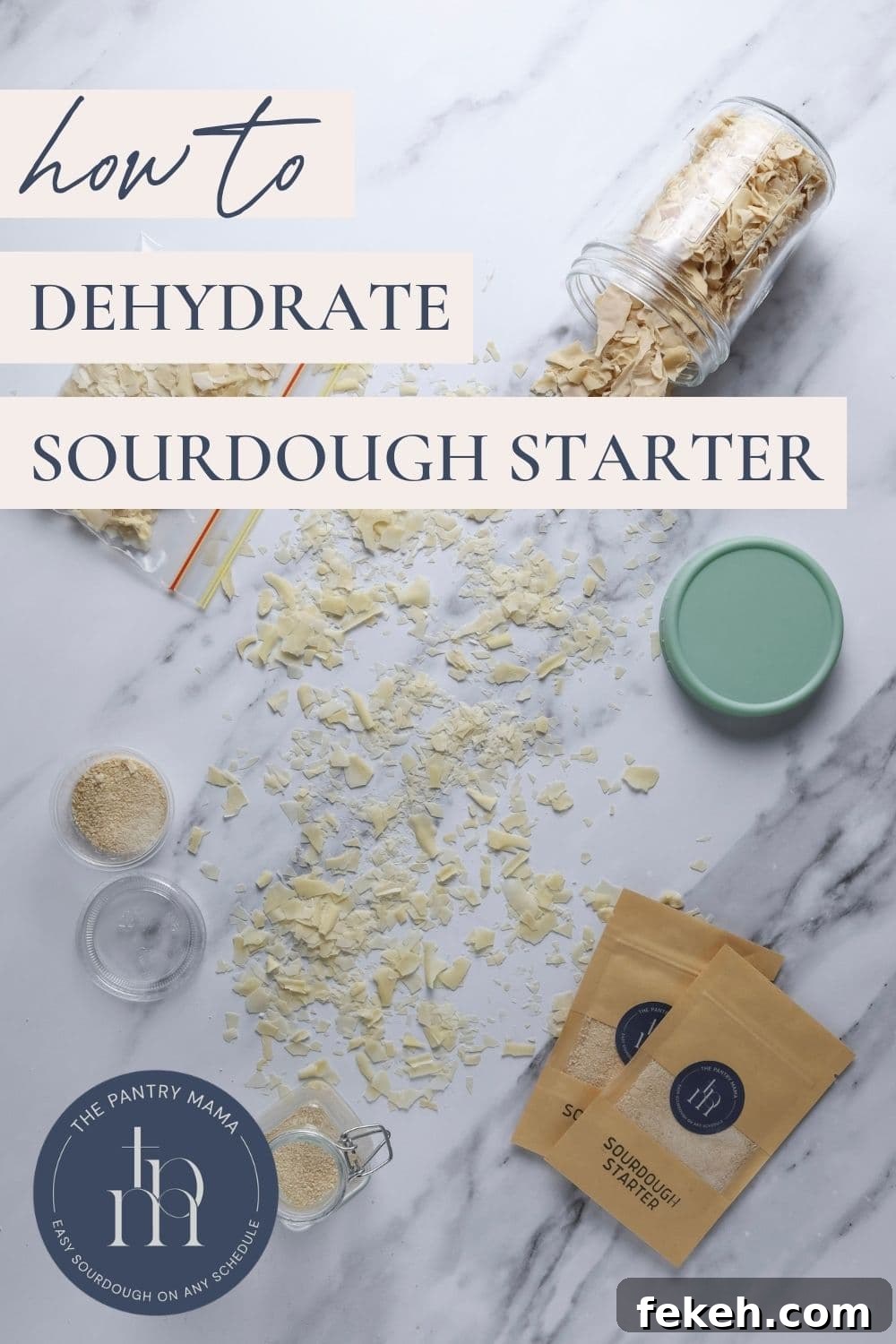
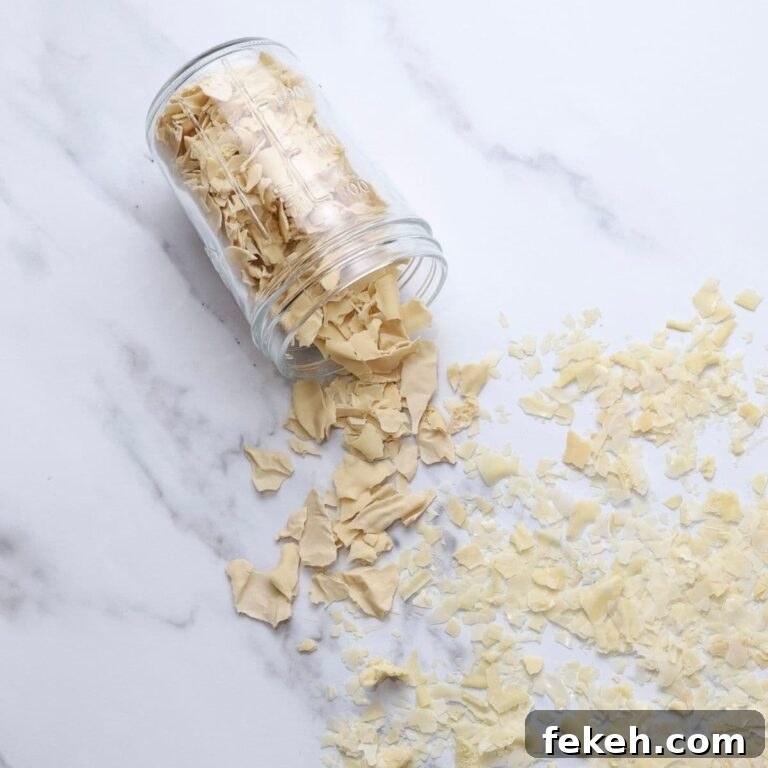
You can store dried starter as shards, flakes, or as pulverized granules—choose the format you prefer. Ensure all storage containers and tools are completely dry before use to avoid reintroducing moisture.
Storage options:
- Place dried shards in a clean, dry glass jar with a tight-fitting lid and keep in a cool, dark place.
- Seal flakes in a ziplock bag and store away from heat and light.
- Vacuum sealing offers extra protection from air and is useful for shipping or travel.
- Small resealable sachets are convenient for sharing with family and friends.
Handled and stored correctly, dried starter remains viable for years.
Tips for Drying Sourdough Starter
To dry starter successfully and avoid issues:
- Use good-quality parchment paper; cheap paper can absorb moisture and tear.
- Monitor the drying starter and break up any thick areas so they dry evenly.
- Ensure good air circulation but avoid placing the sheet directly under a strong fan or vent where it might blow away.
Is It Better to Dry Your Starter or Store it in the Fridge?
The best choice depends on how often you bake. Drying is the best option for long-term storage—if you won’t bake for six months or longer, dehydrating is more reliable and lower maintenance. Refrigeration is suitable if you bake regularly (for example, weekly) and prefer to keep the starter ready for more frequent use. Even refrigerated starters can develop mold or unwanted yeasts, so drying remains the most secure method for extended backup.
| Situation | Fridge | Dehydrate |
|---|---|---|
| Not baking for 6 months while caring for a baby | • | |
| Baking weekly | • | |
| Moving internationally | • | |
| Flying interstate | • | |
| Going on 2 week vacation | • |
Frequently Asked Questions
Yes. Keep the oven temperature very low or use residual heat after turning the oven off to dry the starter gently. High heat can damage the yeast and bacterial cultures, so avoid sustained high temperatures.
Yes—if you have access to a freeze-drying machine, freeze-drying is an excellent way to preserve starter long term.
Freezing does not completely kill a starter. Some yeast cells will die, but many survive, making freezing a viable long-term storage method. However, drying is often simpler and more reliable for indefinite storage.

How To Dry Sourdough Starter
Rate Recipe
Print Recipe
Equipment
-
Parchment Paper or Silicone Baking Mat
-
Pastry Brush or Offset Spatula
Ingredients
- 50 g Sourdough Starter, (at peak, active and bubbly)
Instructions
-
Lay parchment paper or a silicone mat on a baking tray to keep it stable while the starter dries.
-
Use a pastry brush or offset spatula to spread the starter thinly and evenly across the sheet.
-
Place the sheet in a warm spot with good airflow to dry completely, avoiding direct air vents that could blow the paper around.
-
Check periodically and break up any thick sections so they dry at the same rate as the rest.
-
Once fully dry (up to 24 hours depending on thickness), break it into pieces and transfer to a clean, dry jar.
-
Store the dried starter in a cool, dark place; it will keep indefinitely if kept dry.
Notes
Nutrition
Nutrition information is automatically calculated and should be used as an approximation.
Like this? Rate and comment below!