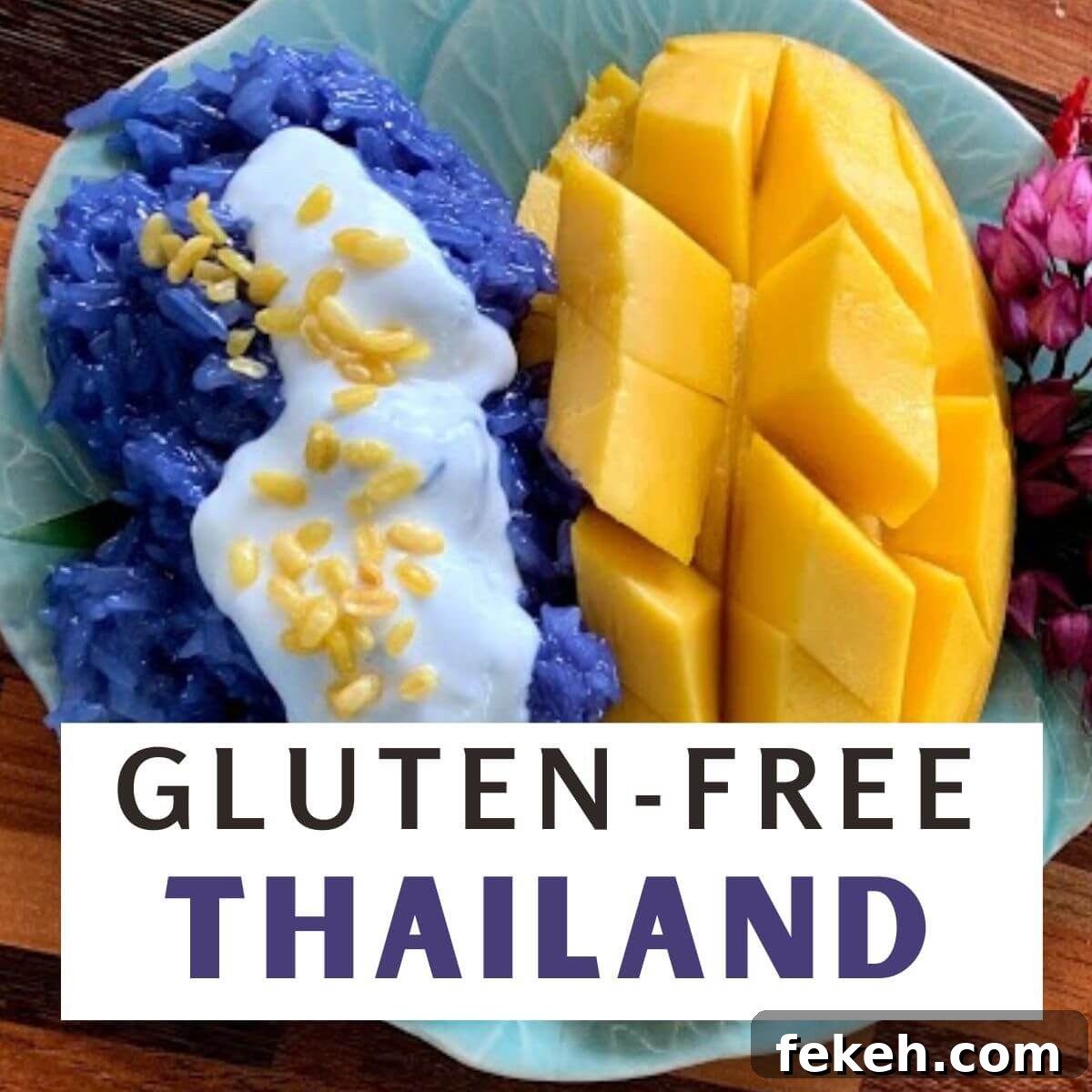
This gluten-free Thailand travel guide will help you prepare to visit the Land of Smiles with celiac disease. Be aware: it isn’t easy, but with planning you can manage.
This post may contain affiliate links. Please see my disclosure page for more information. This post was updated in July of 2022.
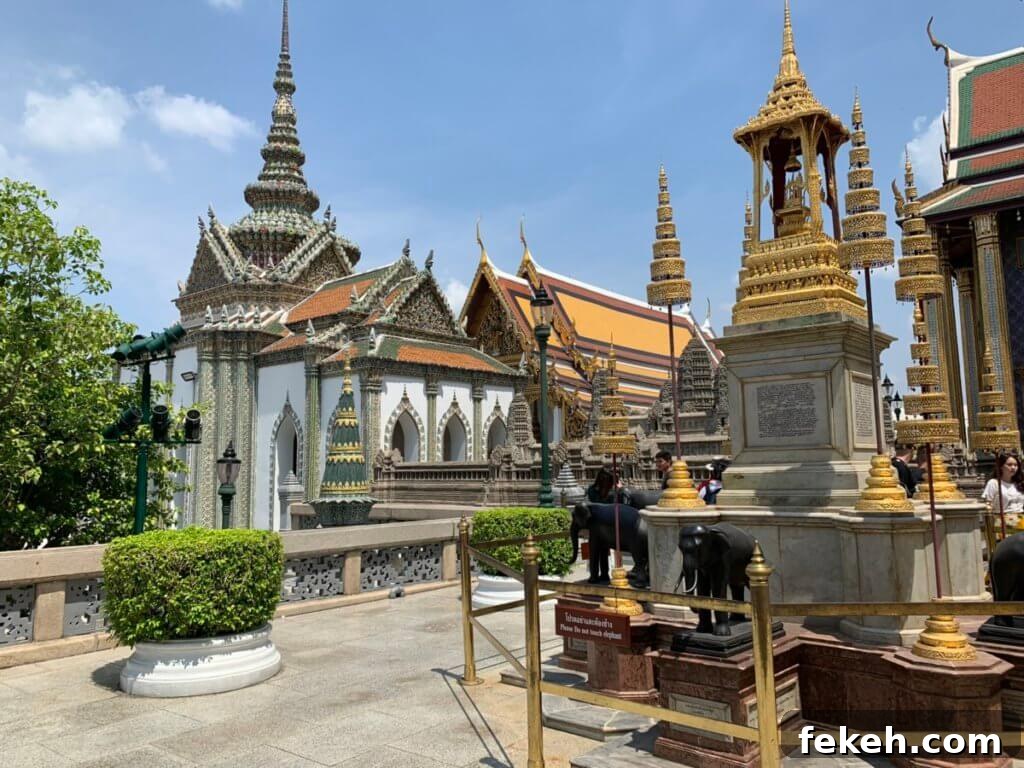
Thailand’s warm people, rich history, temples, and beaches make it a beloved destination. For travelers with celiac disease, though, eating in Thailand requires extra preparation. Gluten-free options are less common than in some Western countries, and cross-contact and wheat-based sauces are widespread. This guide shares practical tips from my travels to help you navigate Thai food more confidently.
Dylan and I spent three weeks in Thailand in March 2019 during a six-month trip around the world. Below I outline the strategies and resources that helped me travel there with celiac disease.
NOTE & DISCLAIMER
Everyone’s experience with celiac disease differs. Dedicated gluten-free facilities are generally the safest options; for other restaurants I recommend only places I visited or where clear protocols for celiac diners exist. Use your judgment and eat only where you feel safe. Be aware many restaurant listings and reviews may be outdated due to pandemic-related closures; visiting Thailand now may be more challenging than during my 2019 trip.
This guide was originally published in Gluten-Free Living Magazine in 2019 and has been updated here for reference. Always double-check current conditions as places may have changed since my visit.
Gluten-Free Thailand Travel Guide
- Gluten-Free Thailand Travel Guide
- About Celiac Disease in Thailand
- Staying Somewhere With A Kitchen
- Learn About Thai Cuisine & Take A Cooking Class
- Gluten-Free Groceries in Thailand
- How To Find Safe Restaurants in Thailand
- Gluten-Free Thai Dining Card
- Things To Be Careful Of Eating Gluten-Free in Thailand
- Restaurants With Gluten-Free Food in Thailand
- Final Thoughts: Gluten-Free Thailand
- Looking for more gluten-free travel posts?
About Celiac Disease in Thailand
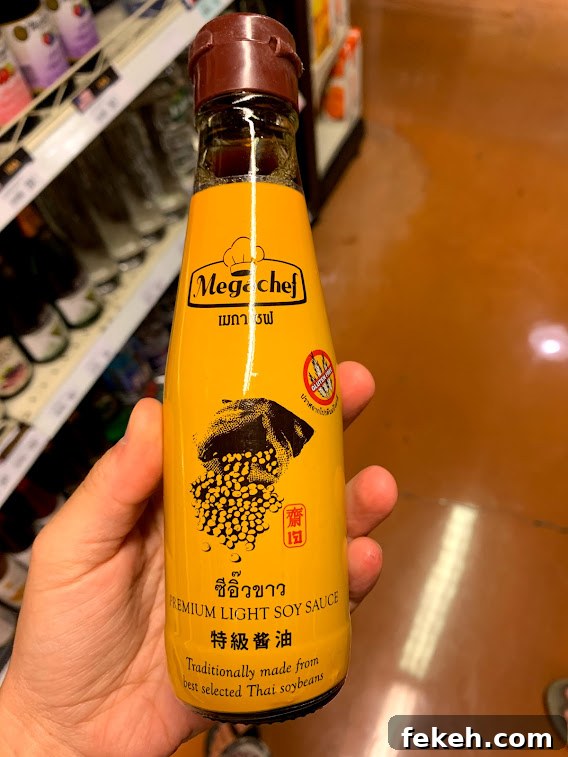
Celiac disease is less widely recognized in many parts of Asia than in Western countries. Large tourist cities like Bangkok and Chiang Mai offer more gluten-free products and imported items, but awareness and safe practices vary. Cross-contact is common and wheat-containing sauces such as soy and oyster sauce are used extensively, making many restaurant dishes risky.
Staying Somewhere With A Kitchen
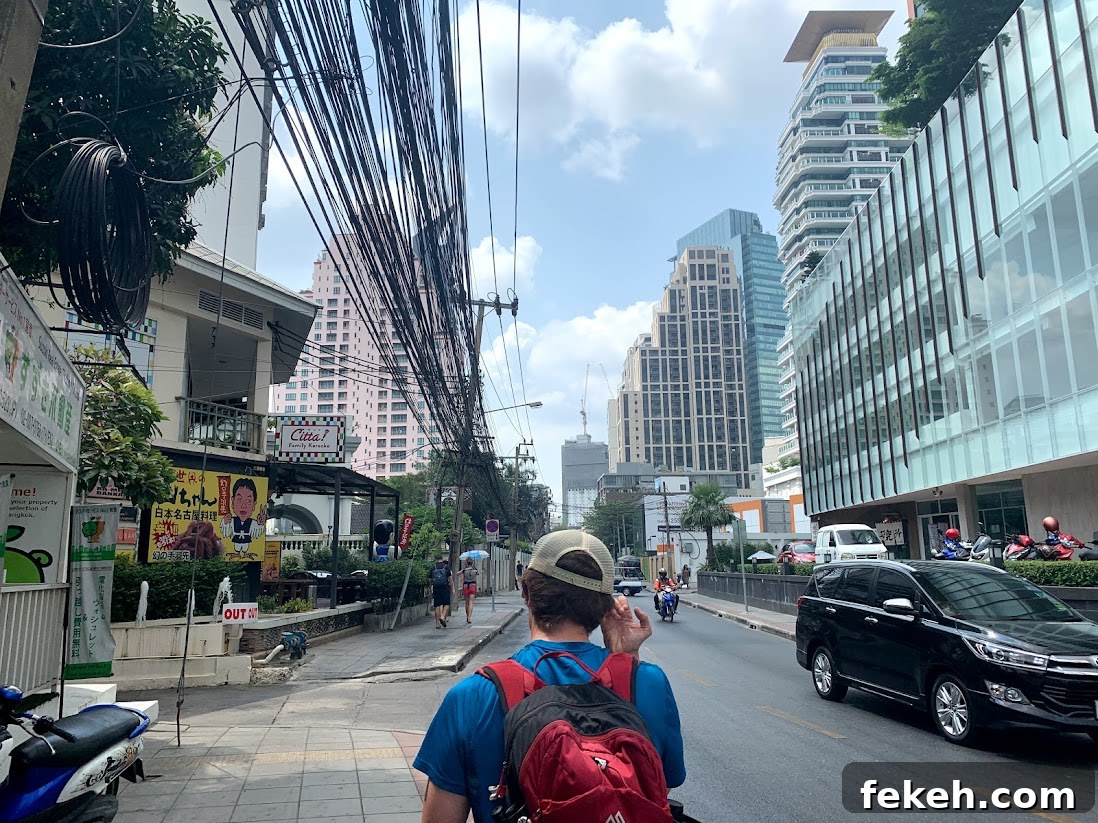
I was nervous about finding safe food on arrival, so we booked accommodation with a kitchen for the first days. Having a place to prepare simple, safe meals was calming and practical. I recommend booking an Airbnb, a small apartment through Booking.com, or a hotel room with a kitchenette. Aim to stay near a market or grocery store so you can shop for fresh produce, rice, and safe proteins.
During our trip we used an Airbnb in Sukhumvit in Bangkok, a hostel with breakfast in Chiang Mai, and small guesthouses in Koh Lanta. Cooking some meals and balancing dining out made the trip much safer and more enjoyable.
Learn About Thai Cuisine & Take A Cooking Class
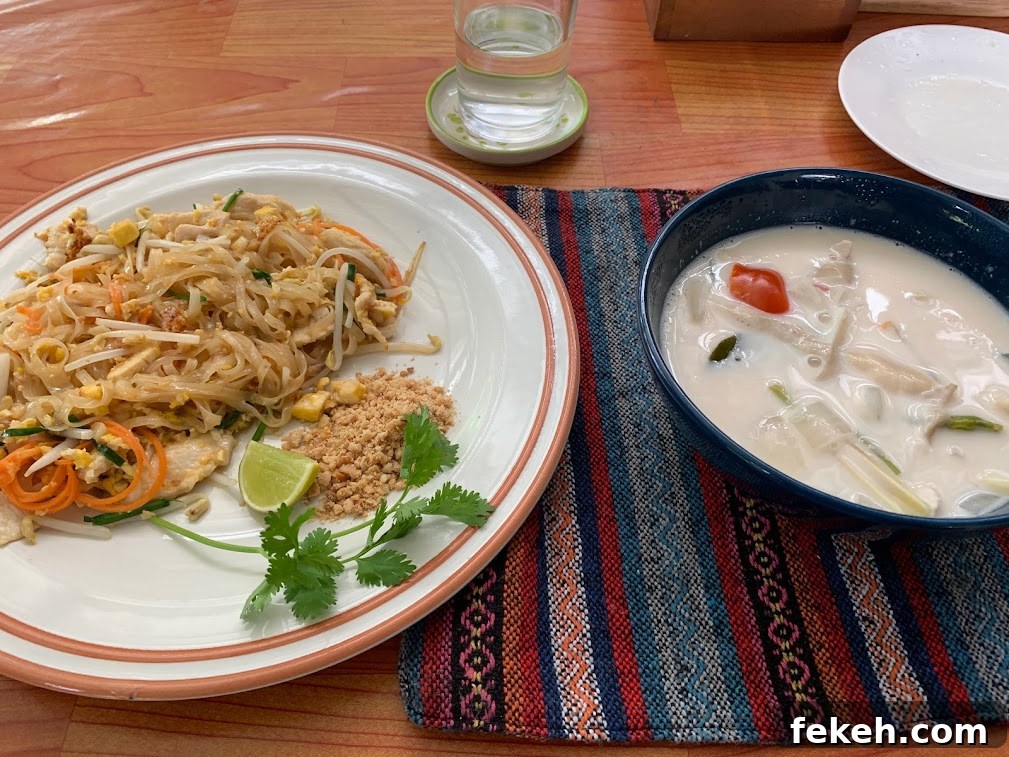
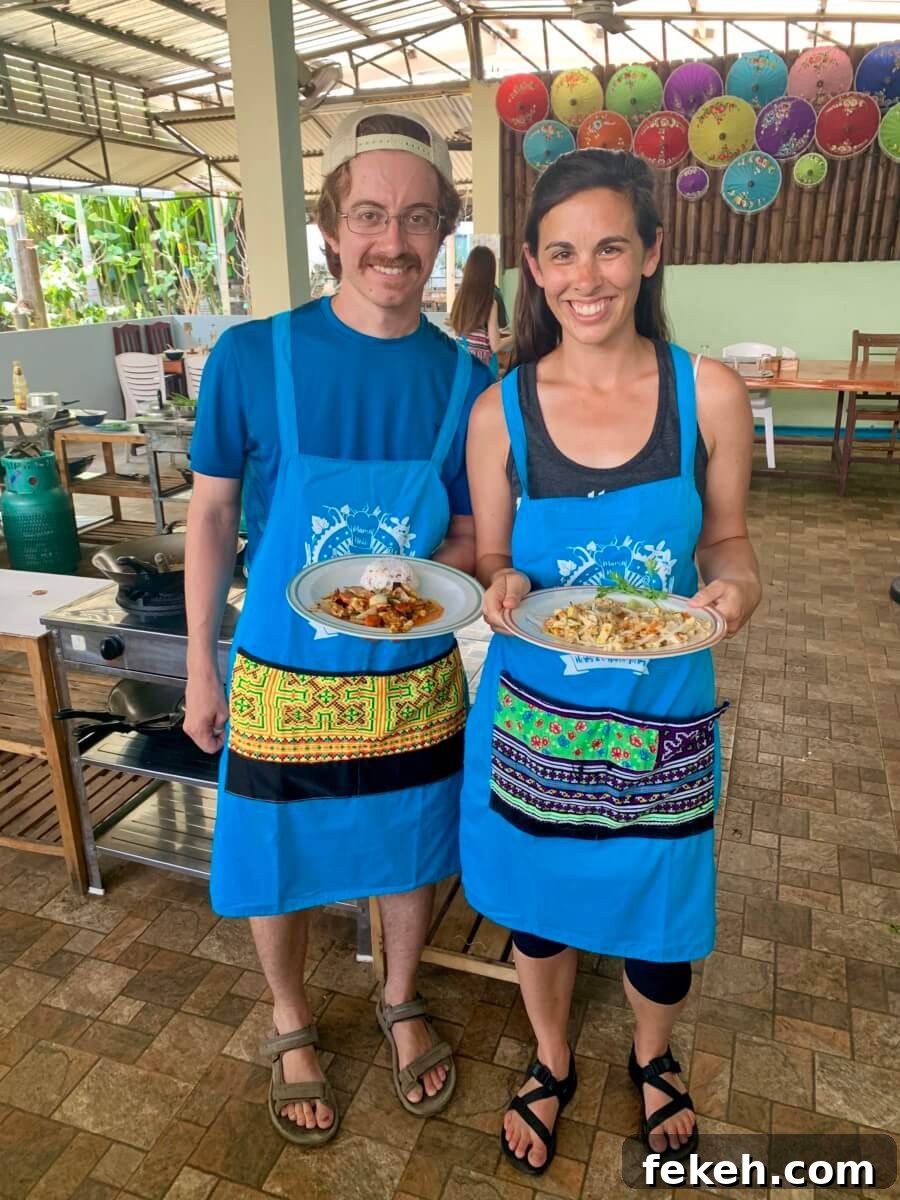
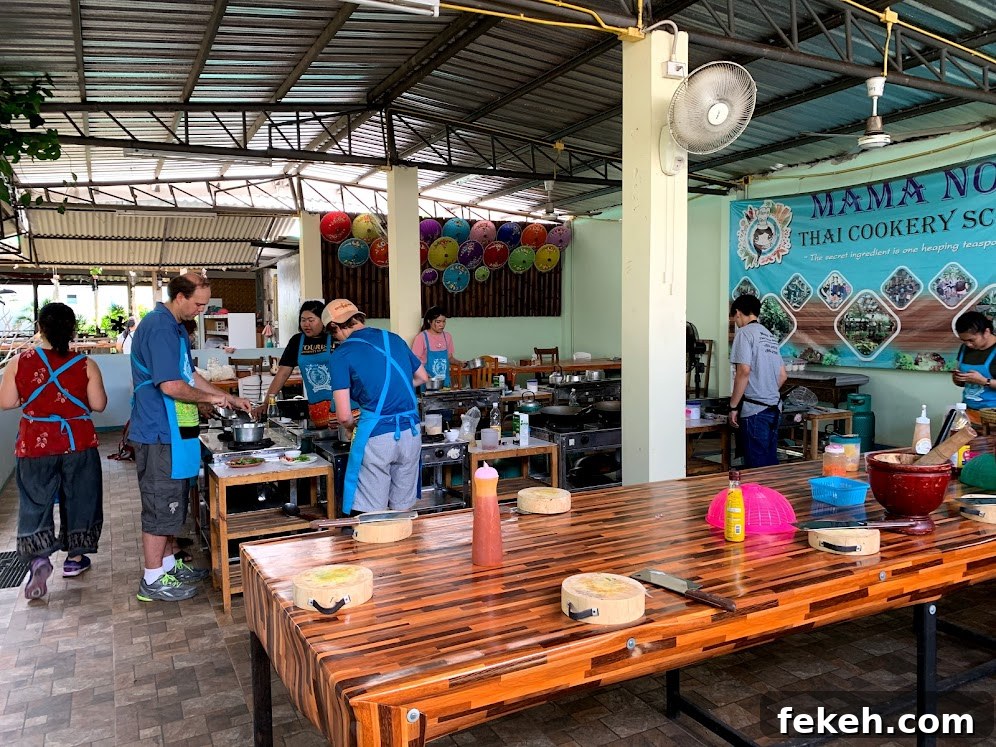
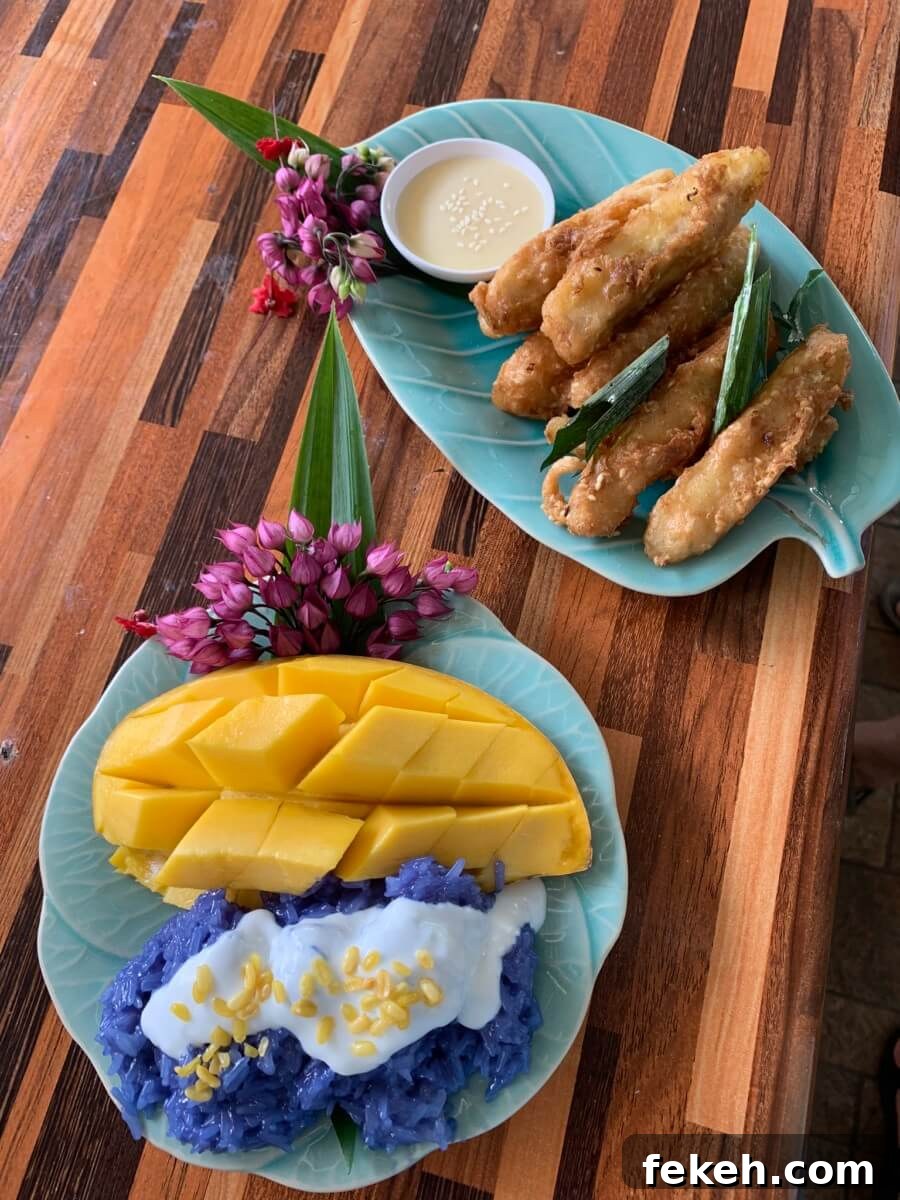
Understanding Thai ingredients and cooking methods helps you spot safer dishes and avoid hazards. I highly recommend taking a Thai cooking class to learn which ingredients contain wheat and which dishes are typically safe. In Chiang Mai we took a class where each student had separate cooking tools; I brought my own gluten-free sauces and was able to eat nearly everything we prepared. Learning to cook dishes like gluten-free pad thai is empowering and useful after you return home.
Gluten-Free Groceries in Thailand
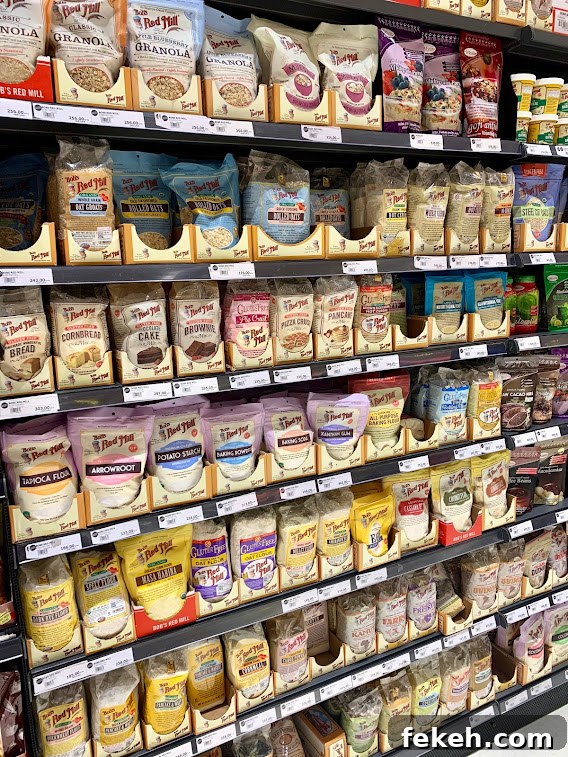
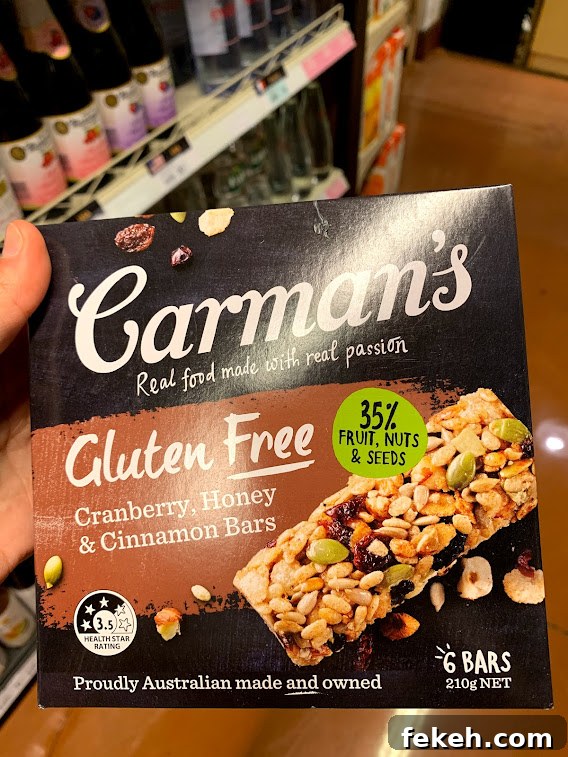
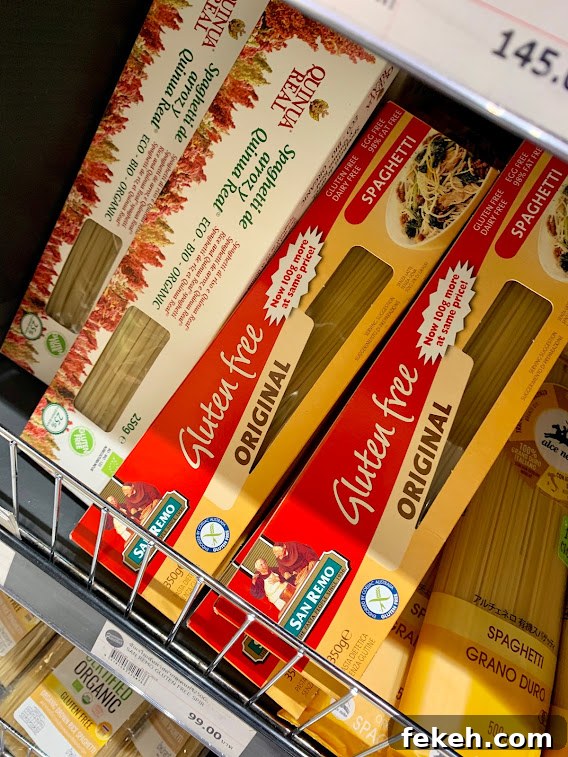
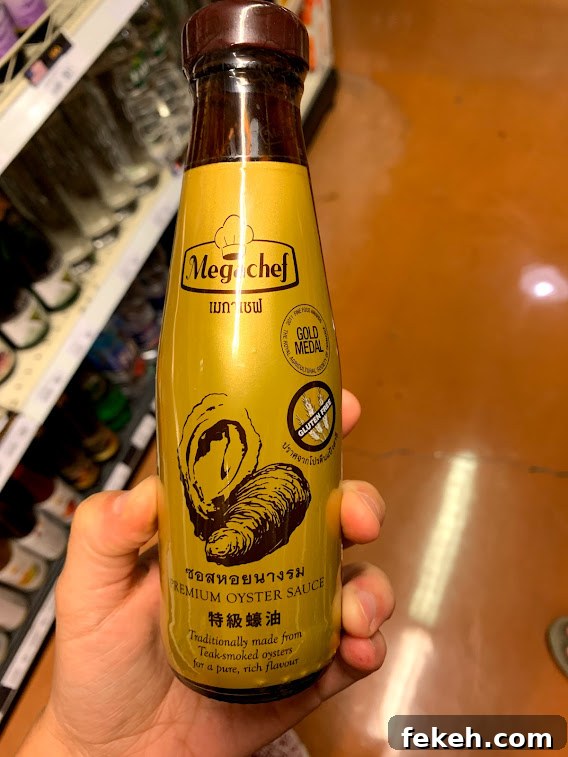
In tourist-heavy cities you can find imported gluten-free products in larger supermarkets. Labeling in Thai can be unclear, so I avoided packaged items without readable English ingredients. Use your phone’s camera and translation apps if needed. You’ll reliably find fresh fruit, vegetables, rice, and proteins to cook with. Rimping supermarket in Chiang Mai has a good selection of gluten-free imports, and major malls in Bangkok also stock some options.
How To Find Safe Restaurants in Thailand
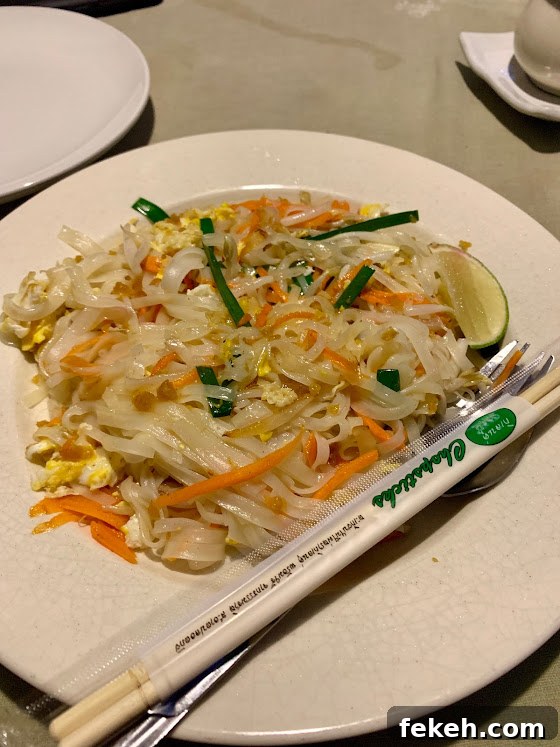
Research before you go. Apps like FindMeGlutenFree can give you a sense of gluten-free restaurants, bakeries, and menus in your destination. With a premium subscription you can filter for celiac-friendly venues and see what’s open. Keep in mind many listings may be outdated after pandemic closures, so always call ahead or confirm current practices with staff.
While apps and translations help, a translated restaurant card that explains celiac disease and cross-contact in Thai is invaluable for communicating your needs to chefs and servers.
Gluten-Free Thai Dining Card
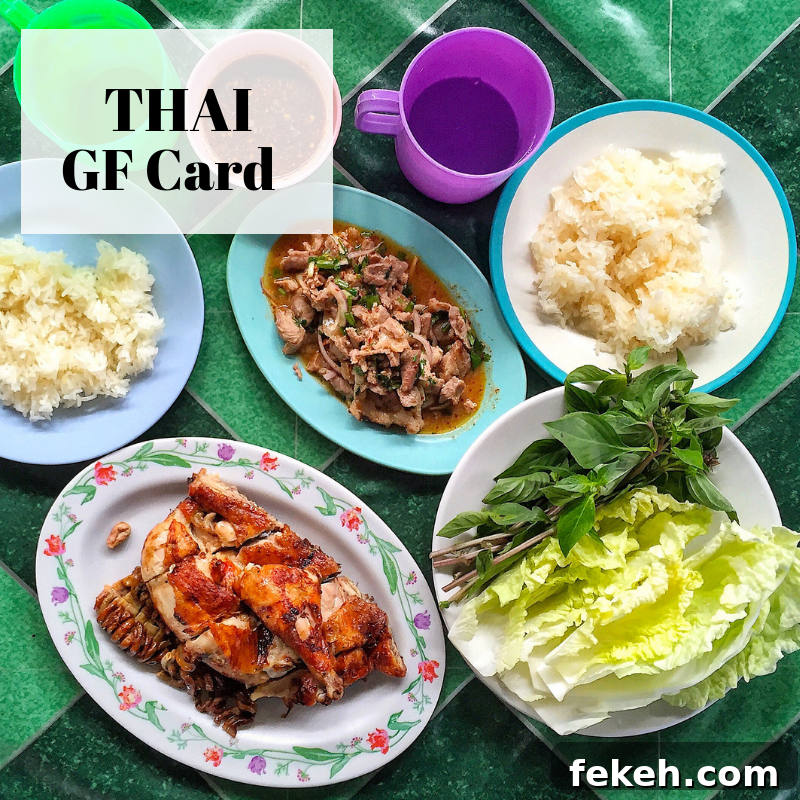
I don’t speak Thai beyond a few courtesies, so I used a professionally translated Thai dining card to explain my dietary needs. A clear card translated by a local can explain which ingredients and sauces to avoid and how to prevent cross-contact. Google Translate is useful for single words, but a well-written dining card communicates the full context to restaurant staff and chefs.
Things To Be Careful Of Eating Gluten-Free in Thailand
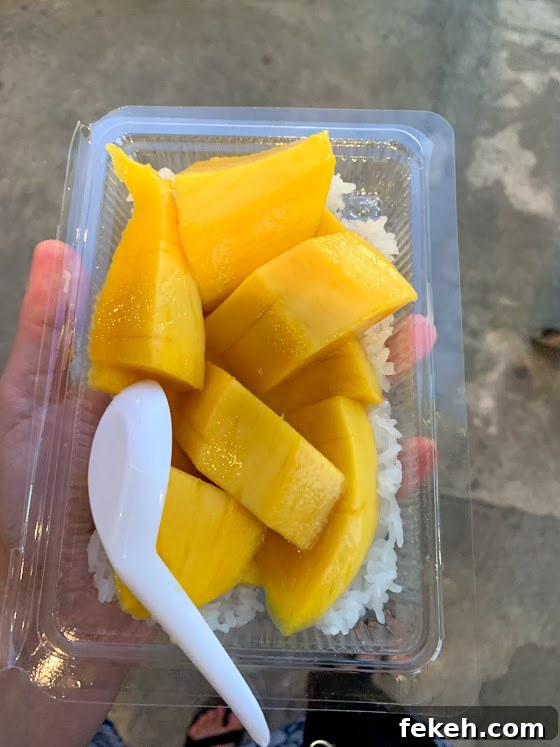
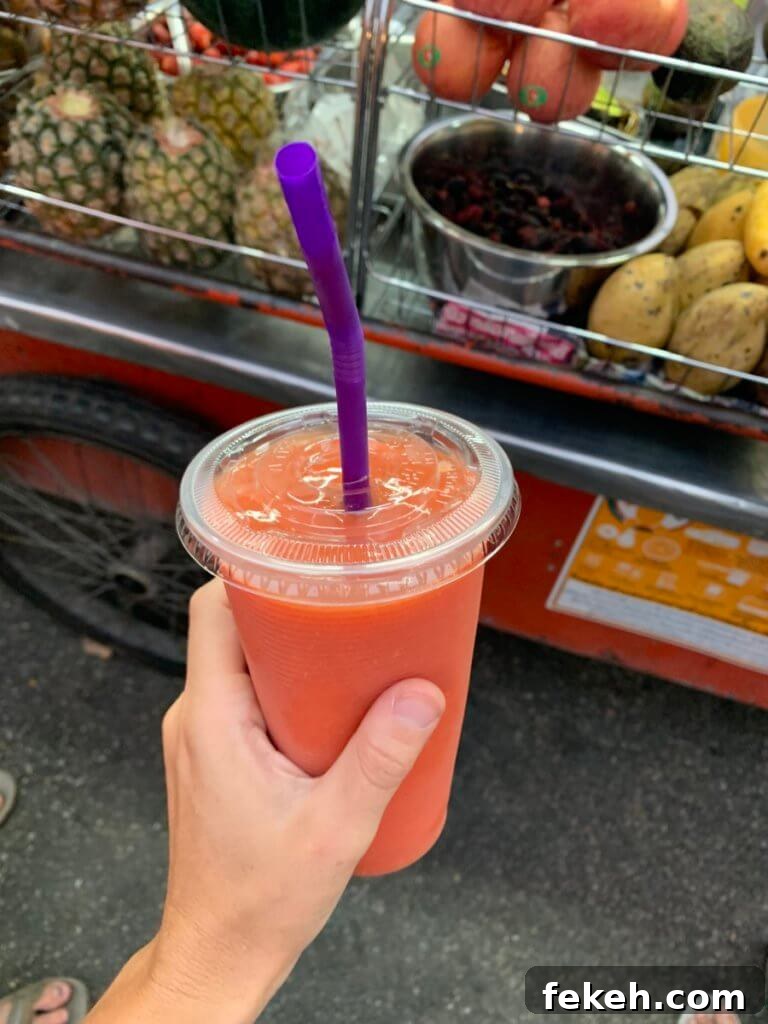
Cross-contact and sauces are the biggest challenges. Street stalls and market vendors often use a single wok or grill for many dishes, so most items there are risky except for whole fruits, simple smoothies made from fruit only, and mango sticky rice. Soy sauce, fish sauce, and oyster sauce often contain wheat and are used widely—so even rice noodles or dishes that appear gluten-free may not be safe because of the sauces.
Dishes I ate after careful confirmation with staff, using a translation card, and ensuring separate preparation:
- Plain steamed white rice
- Curries such as massaman curry (confirm ingredients; many curries can be gluten-free)
- Fresh fruits
- Mango sticky rice
- Eggs, scrambled or fried
- Fruit smoothies made without additional ingredients
Restaurants With Gluten-Free Food in Thailand
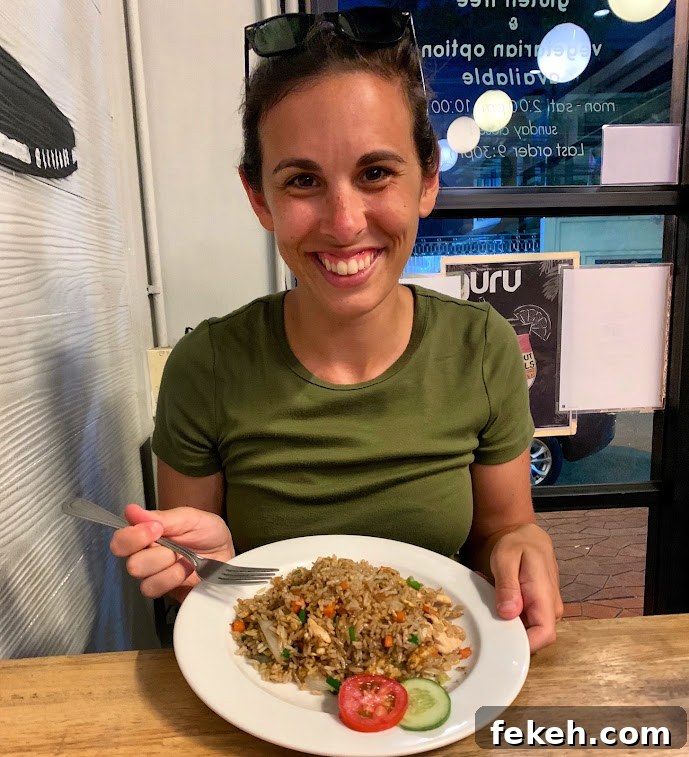
My visits were in 2019 and some listings were last checked in July 2022. Many businesses changed or closed during the pandemic, so verify current operations and safety practices before visiting.
Bangkok
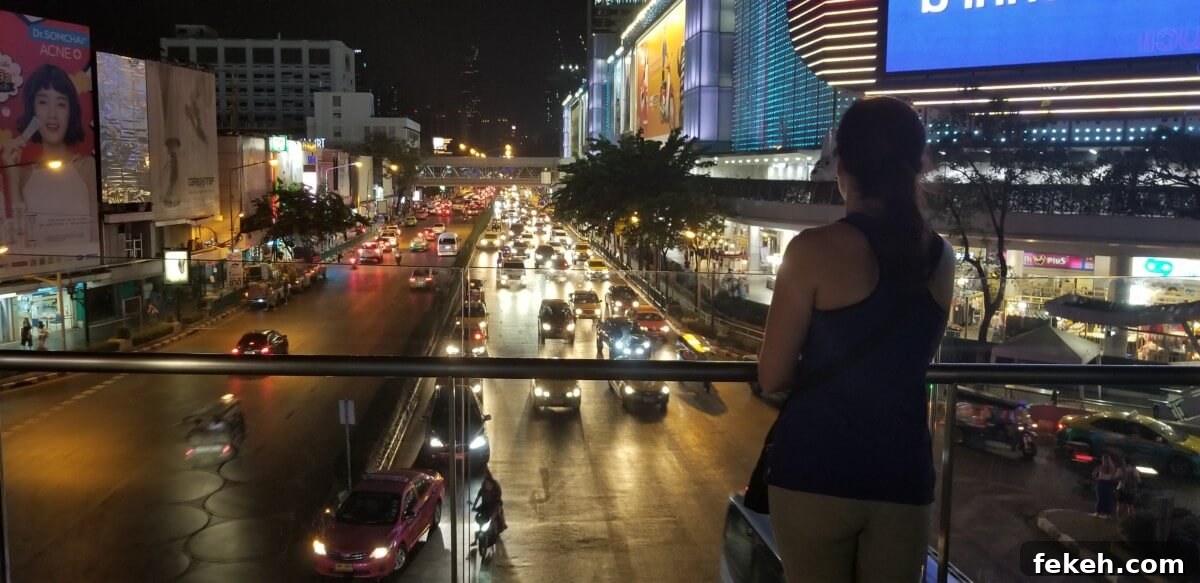
There are a few gluten-free bakeries and allergy-aware restaurants in Bangkok, though dedicated gluten-free options are limited. Malls can offer acai bowls, smoothies, or rice-based options. Examples I noted include Theera Healthy Bake Room and Rice Bakery (check current status). Peeps Thai Eatery was allergy-aware when I visited and prepared separate dishes with gluten-free sauces.
Chiang Mai
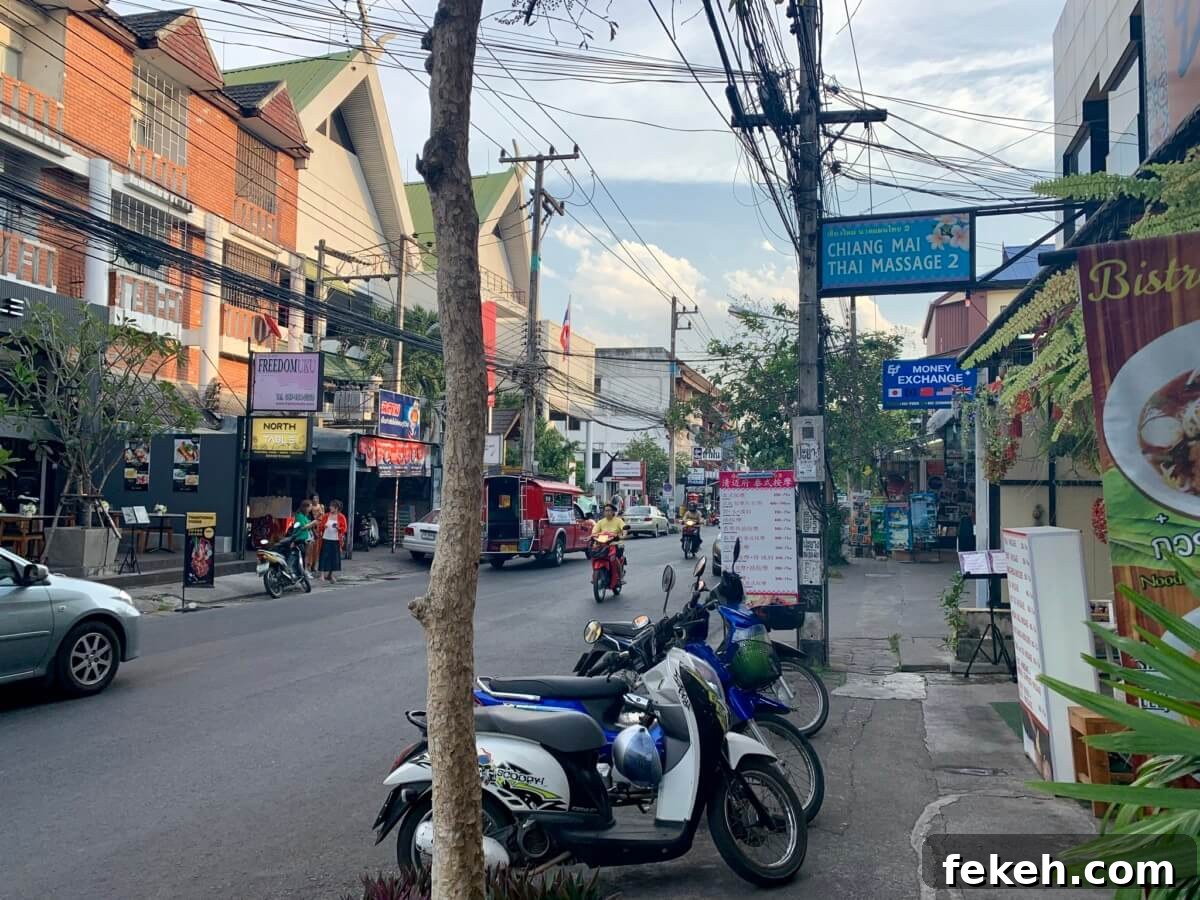
Chiang Mai has historically had several gluten-friendly restaurants and bakeries. Some beloved spots closed after the pandemic, including Pink House Garden, which used to be a 100% gluten-free restaurant. Other places such as Butter Is Better and Salsa Kitchen offered many gluten-free options in the past—confirm current offerings directly. Mrs. Pa’s fruit smoothies at the south gate night market were a reliable, gluten-free street treat.
Koh Lanta
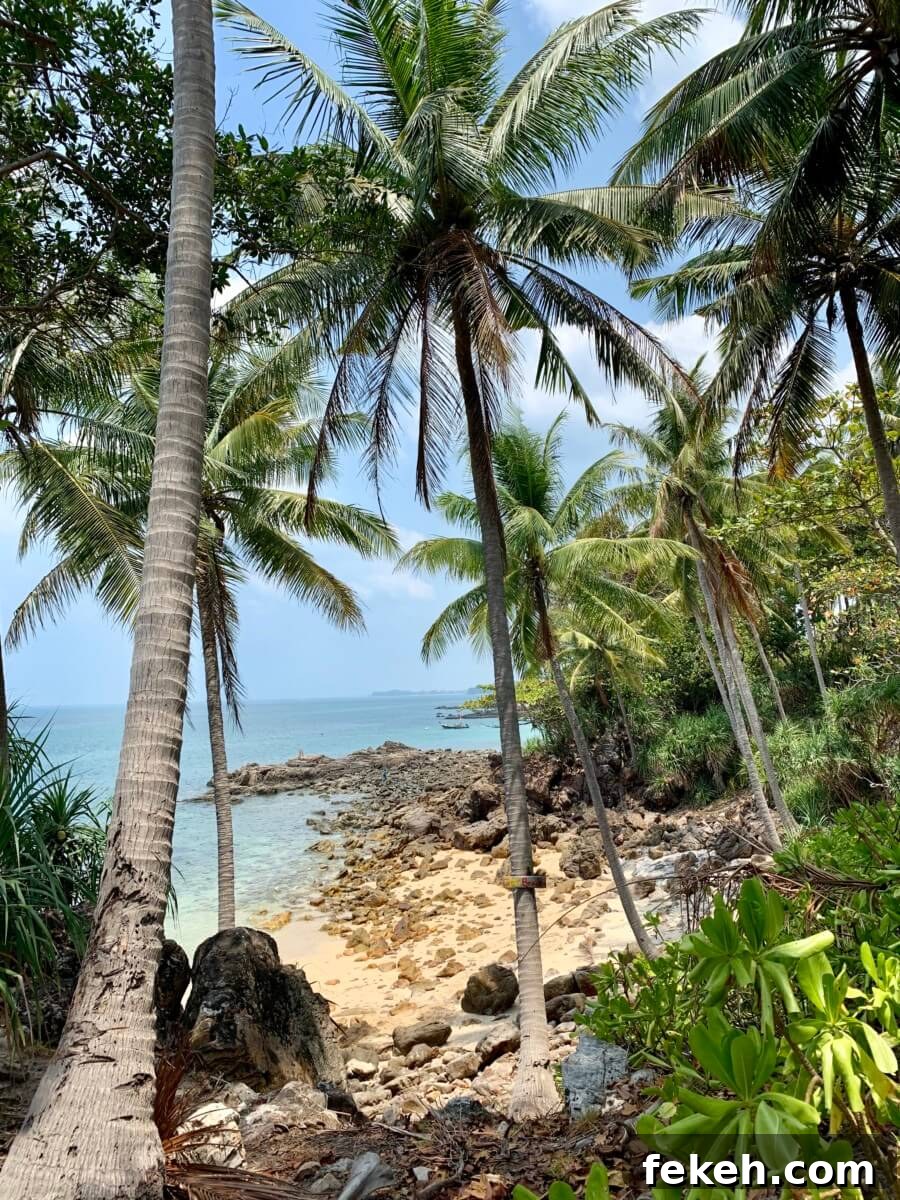
Koh Lanta had limited gluten-free choices. I relied on simple meals—eggs and fruit for breakfast, curries and rice for lunch—and the occasional café that listed gluten-free dishes, such as The Happy Veggie. Always confirm preparation methods and portion sizes before ordering.
For more details about planning a trip to Thailand, see my 3-week itinerary covering Bangkok, Chiang Mai, and Koh Lanta.
Final Thoughts: Gluten-Free Thailand
Traveling to Thailand with celiac disease is challenging but possible. The keys are awareness, preparation, and flexibility: learn about Thai ingredients, use a translated dining card, research restaurants in advance, and book accommodation with a kitchen so you can prepare safe meals. Watch out for sauces and cross-contact, ask detailed questions, and prioritize places that understand allergies.
Thailand isn’t easy to visit with celiac disease, but with the right tools and planning it can be a rewarding trip. I hope this guide helps you feel more prepared.
Looking for more gluten-free travel posts?
The 5 strategies you NEED for traveling with celiac disease.
These 10 items are always in my backpack or suitcase when traveling.
What to do if you’re traveling with IBS and how to reduce travel anxiety.
Get my gluten-free travel guides to Boston, New York, Madrid, Buenos Aires and more in the destinations section of my site.
Have you been to Thailand?
How was your experience eating there gluten-free?
Let me know in the comments!