Air fryers have exploded in popularity in recent years for promising the crisp texture of fried food with far less oil. What is an air fryer, how do you use one, and are air-fried foods healthy? This article answers those questions and more—read on.

Air fryers are the latest must-have appliance for home cooks. They promise crispy results—think perfect French fries—without submerging food in oil. For many people, that makes air fryers an exciting way to enjoy fried-style foods with less guilt.
Although an air fryer can feel like an extra device crowding your countertop, it has clear benefits that may make it worth the investment. If you’re debating whether to buy one, this guide will walk you through how they work, what they excel at, common limitations, and practical tips to get the best results.
Jump To section: What is an air fryer
- But first things first, what exactly is an air fryer?
- What is the difference between an air fryer and an oven?
- How to use an air fryer?
- Want To Use Your Air Fryer More?
- Top tips to use an air fryer
- What are the benefits of an air fryer?
- What are the Disadvantages of an air fryer?
- Frequently Asked Questions About An Air Fryer
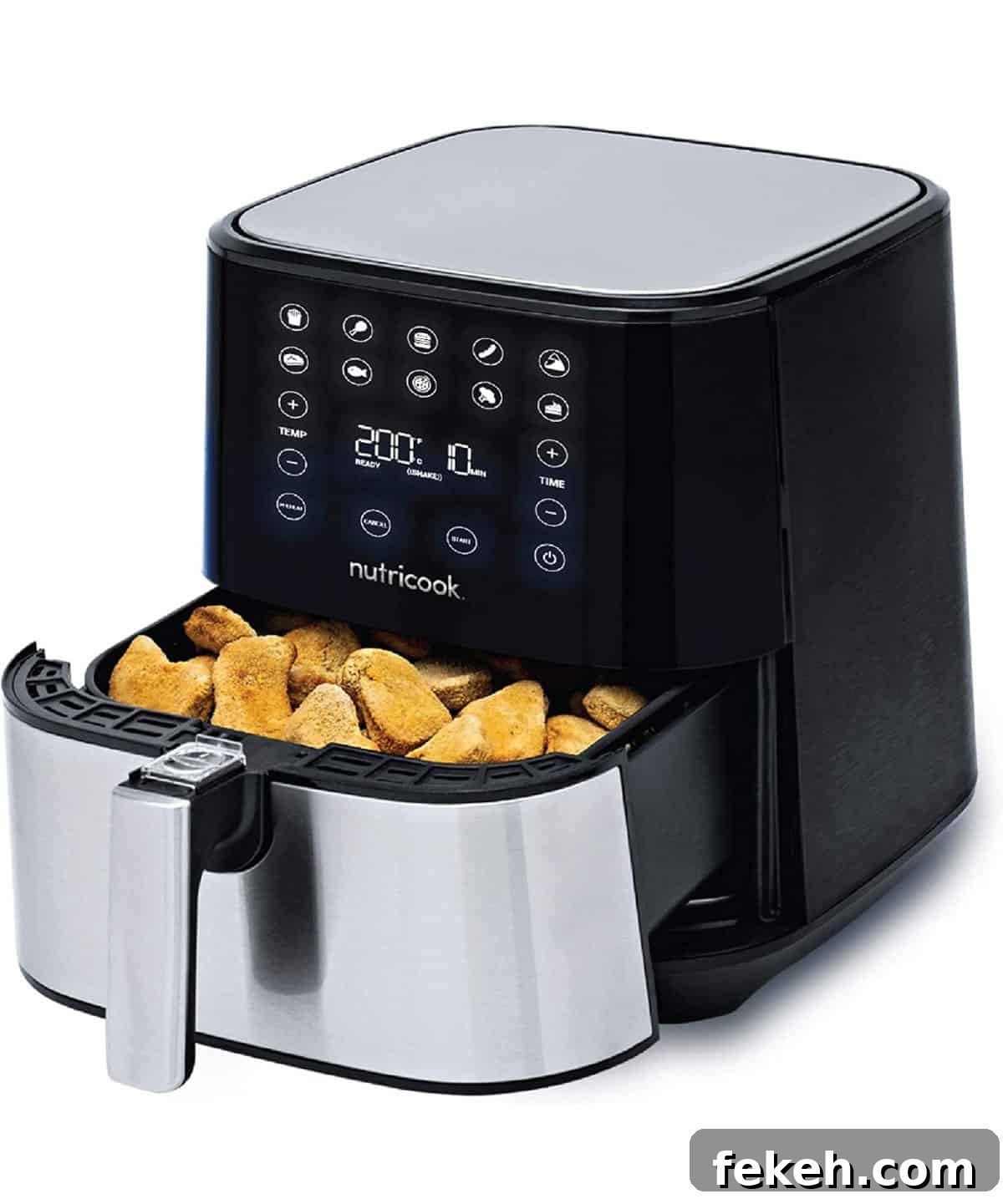
But first things first, what exactly is an air fryer?
An air fryer is essentially a compact countertop convection oven designed to produce crisp, fried-like results using very little oil. A powerful fan circulates hot air rapidly around the food, creating intense, evenly distributed heat. That circulating hot air mimics the effect of hot oil in deep frying, producing a crispy exterior while cooking the inside thoroughly.
The baskets or trays in air fryers are perforated to ensure air reaches all sides of the food, which helps achieve even browning and crispness. Because of that design, you can get results similar to deep frying but with a fraction of the oil.
What is the difference between an air fryer and an oven?
Size is one of the most obvious differences. Air fryers are compact and countertop-friendly, which makes them handy for small kitchens but limits the amount of food they can cook at once. Convection ovens are larger and can handle bigger batches.
Both appliances cook with hot air, but air fryers use rapid, forceful circulation of that air, which speeds up cooking and promotes crisper results. A convection oven circulates hot air too, but the airflow is less concentrated, so cooking times and crisping can differ.
How to use an air fryer?
An air fryer is versatile. It cooks frozen convenience foods such as fries, mozzarella sticks, and samosas very well, and it’s great for chicken wings, chicken breasts, and roasted vegetables. It also works for reheating leftovers—pizza, onion rings, biscuits, and nuggets regain much of their original texture when reheated in an air fryer.
Want To Use Your Air Fryer More?
If you want a few ideas and a practical start, consider a starter guide or recipe collection to expand beyond basic fries and reheat tasks. A guide can help you learn timings, temperatures, and techniques to get the most from your appliance.
Top tips to use an air fryer
Getting great results from an air fryer does take a little technique. Here are practical tips to help you succeed:
- Avoid overcrowding the tray.
- Check progress periodically.
- Flip food halfway through.
- Dry foods before cooking.
What are the benefits of an air fryer?
- Healthier frying with less oil.
- Speed.
- Crispiness.
- Easy to clean.
What are the Disadvantages of an air fryer?
Air fryers are useful, but they have limitations to consider:
- Limited capacity.
- Risk of burning.
- Not suitable for battered foods.
Frequently Asked Questions About An Air Fryer
Food can stick sometimes, even with non-stick coatings. To reduce sticking: preheat the air fryer, brush a little oil on food (especially vegetables), lightly grease the tray, avoid overloading, and flip items midway through cooking.
Yes—compared to deep-fried food, air-fried food typically contains much less oil and therefore less fat and fewer calories. It’s a good option for enjoying fried textures with reduced oil.
A 3-liter (about 4-quart) air fryer is a good size for two people; it can handle a chicken breast plus a side of vegetables or snacks and reheating. For a family of four, consider a 5–6-liter (about 5–6 quart) model or larger.
Yes. Oven-safe parchment paper works in air fryers and can make cleanup easier. Ensure it’s secured under food or weighed down; otherwise strong airflow can lift it.
Aluminium foil is safe in many air fryers but avoid using it with acidic foods like tomatoes or citrus, which can react with foil. Parchment is often a better choice for delicate or sticky items.
Have an air fryer? Here are some beginner-friendly recipes to try:
- Air Fryer Sweet Potato Fries that are super crispy!
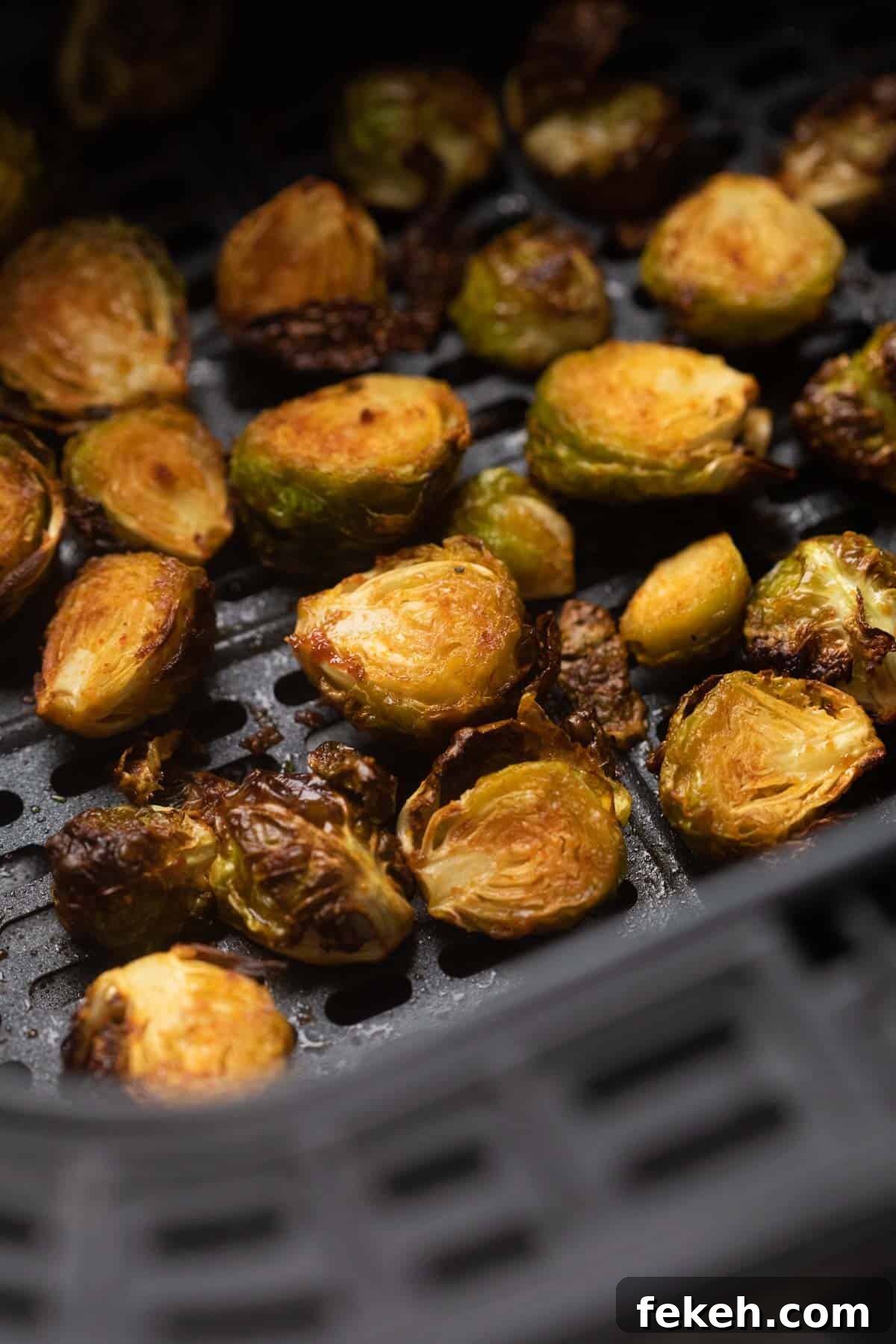
- Air Fryer Brussel Sprouts (Sweet and Spicy)
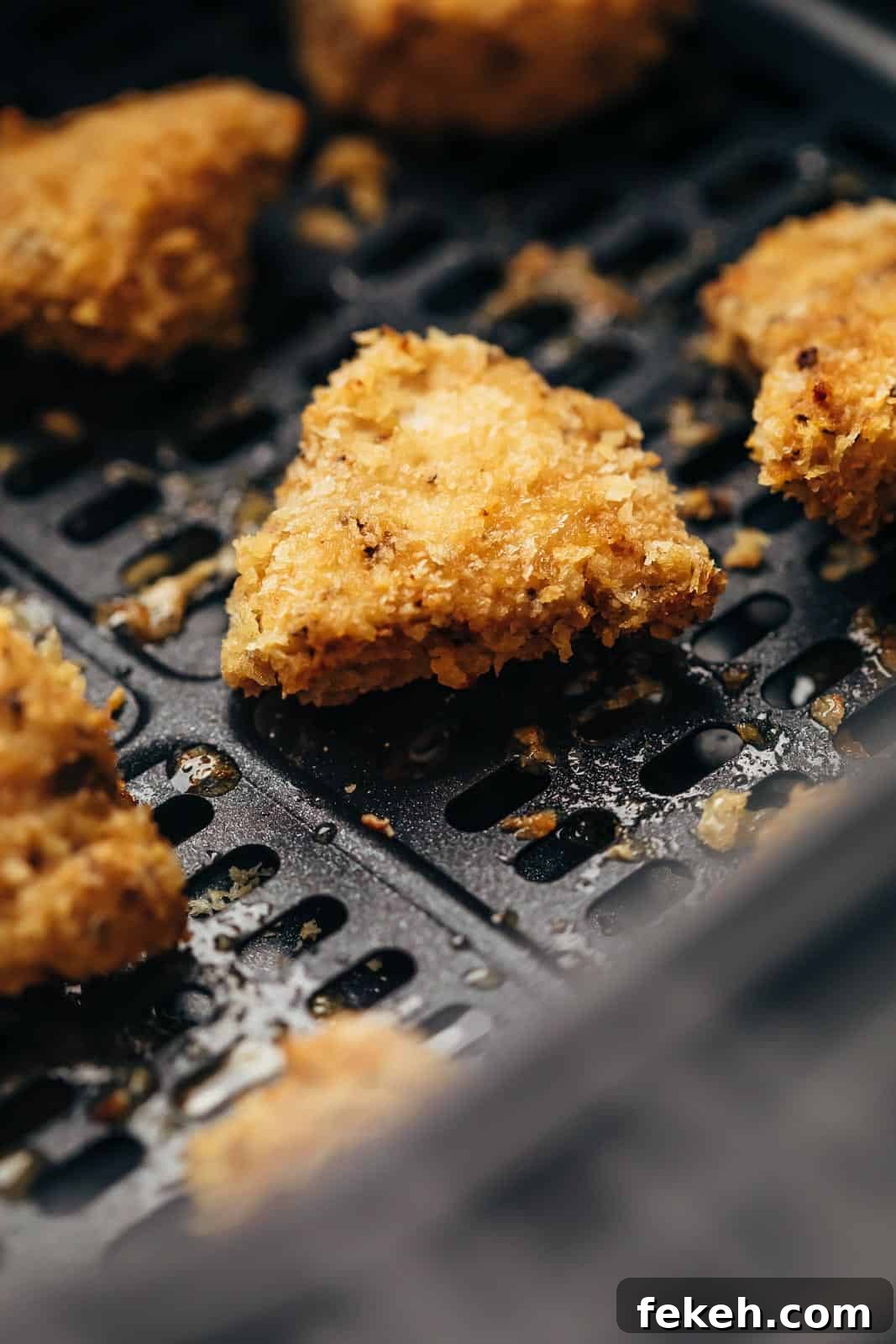
- Air Fryer Chicken Nuggets
- Air Fryer Papdi
If you’re shopping for an air fryer, choose a model and size that fits your kitchen space and the portions you typically cook.