Short Answer:
Toffee is a classic candy made by cooking white sugar with butter until the mixture reaches a hard-candy stage. A reliable candy thermometer is essential to monitor temperature and achieve the ideal texture and rich amber color. Once the mixture reaches the correct stage, it is poured onto a prepared surface to cool and harden. Recipes vary by preference and additions such as chocolate or nuts, but the foundation of traditional toffee is simply sugar and butter.
Traditional Toffee Requires Only Two Main Ingredients
- Classic toffee is made from white granulated sugar and butter. Everything else is optional.
- White granulated sugar provides sweetness and the crystalline structure needed for toffee.
- Use salted butter when possible. Salted butter can help reduce the risk of the mixture “splitting,” a separation that creates a greasy layer on top and a grainy texture below.
- Some sources try to distinguish between names—calling brown sugar versions butterscotch and white-sugar versions buttercrunch—but most confectioners use the terms interchangeably based on ingredients and technique.
What is the scientific purpose of butter in toffee?
Butter plays several important roles in toffee beyond flavor:
- Flavor and aroma: Milk solids in butter add a rich, creamy, slightly nutty note that deepens the candy’s taste.
- Texture and creaminess: The fat in butter creates a smooth, velvety mouthfeel and contributes to the final bite.
- Controlling crystallization: Butter’s fat coats sugar molecules and helps prevent large sugar crystals from forming, keeping the texture smooth instead of grainy.
- Heat transfer and temperature moderation: Butter melts at a lower temperature than sugar and helps manage heat distribution in the mixture, reducing the risk of scorching while the sugar cooks to the desired stage.
Other Common (but not necessary) Ingredients
- A pinch of salt balances sweetness and enhances overall flavor.
- A small amount of baking soda is sometimes used to lighten texture by introducing tiny bubbles during cooking and caramelization.
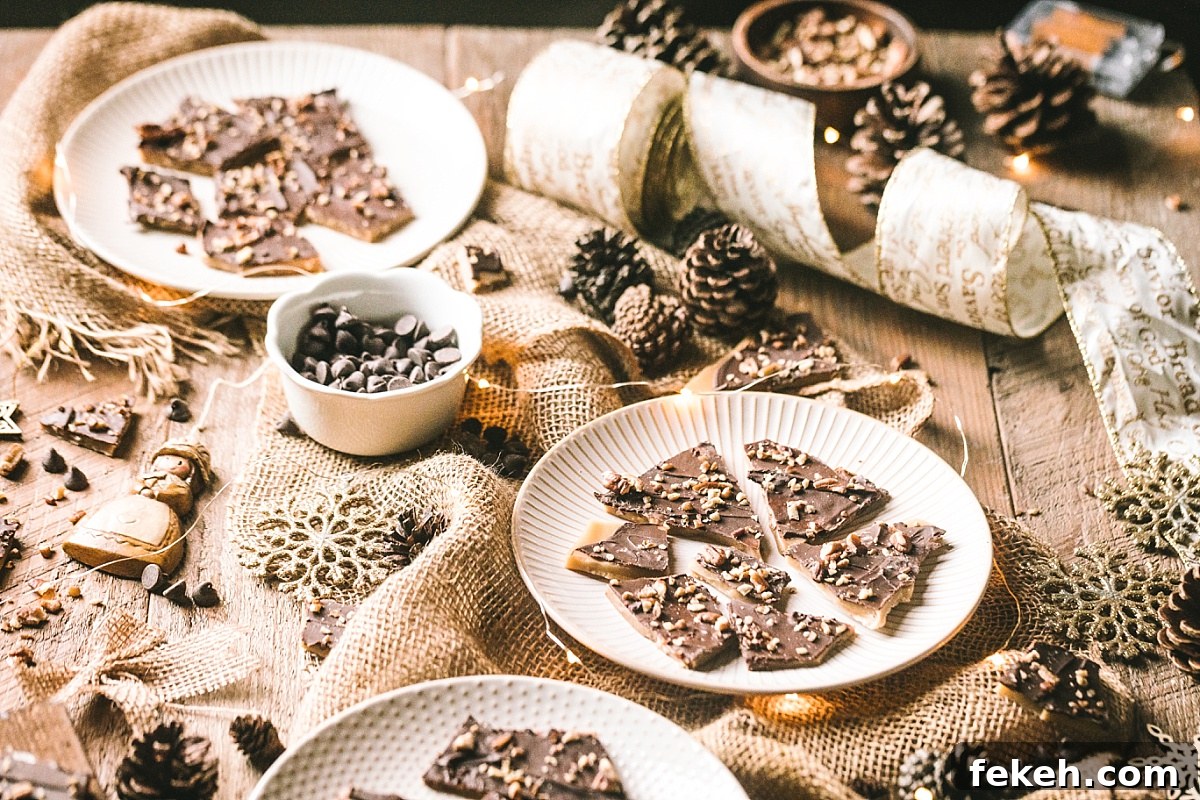
- A chocolate coating—semisweet, dark, or milk—adds richness and a glossy finish.
- Toasted nuts such as almonds or pecans add crunch and a complementary nutty aroma.
Is brown sugar in toffee?
No. If you use brown sugar, you’re generally making butterscotch or a caramel-style confection rather than classic white-sugar toffee.
Is corn syrup in toffee?
Corn syrup or glucose is optional. Some recipes include it because it helps inhibit crystallization and can reduce the chance of graininess, making the process more forgiving.
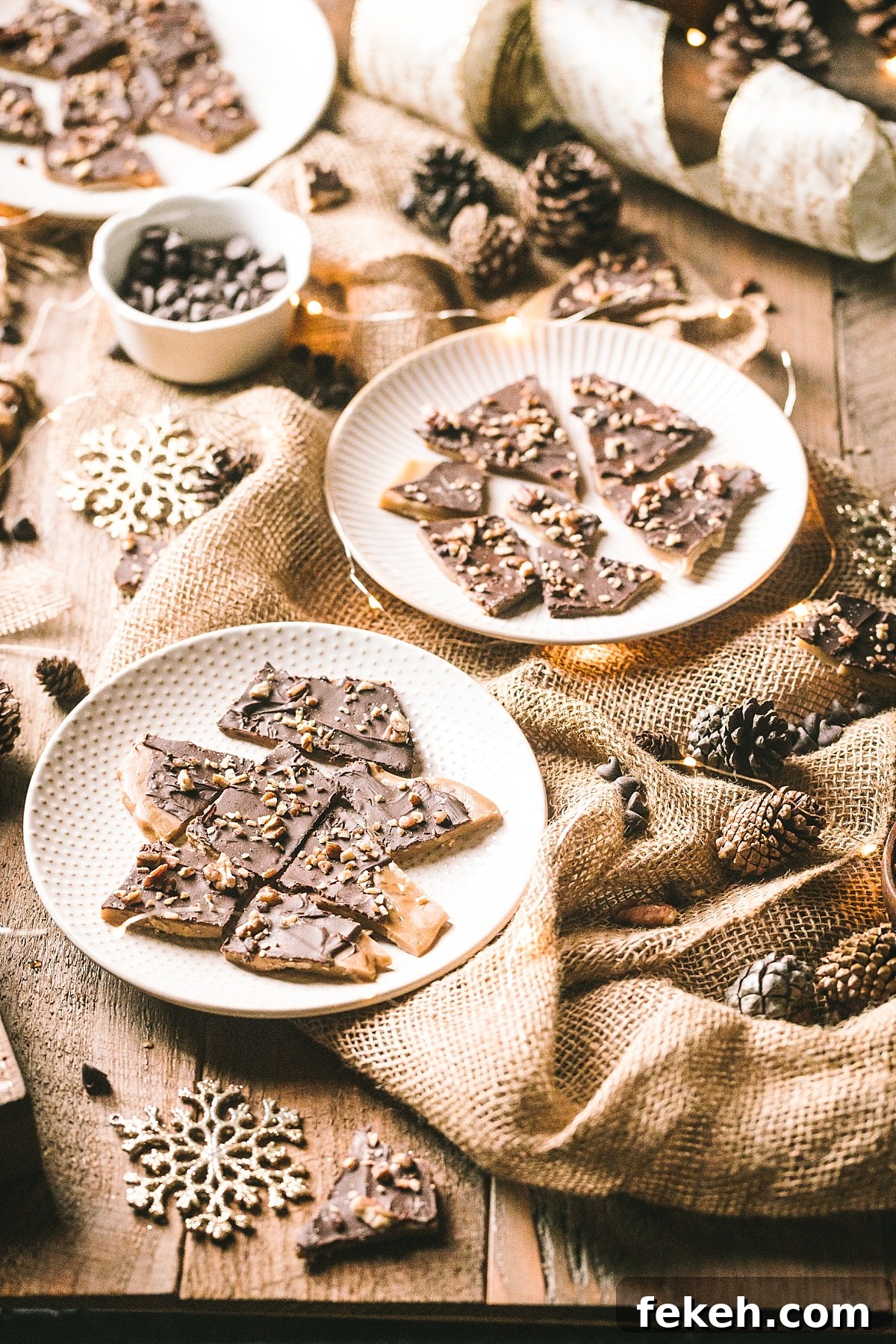
How is Toffee Made?
Understanding sugar stages and careful temperature control is the key to successful toffee. Below is a concise explanation of sugar stages relevant to toffee-making.
9 Sugar Stages
- Thread (230°F to 235°F / 110°C to 113°C) – Thin thread-like structures form when dropped into cold water; used for syrups and glazes.
- Soft Ball (235°F to 240°F / 113°C to 116°C) – Forms a soft ball in cold water; common for fudge and some caramels.
- Firm Ball (245°F to 250°F / 118°C to 121°C) – Firmer but still pliable; useful for nougat and some soft toffees.
- Hard Ball (250°F to 265°F / 121°C to 129°C) – Holds shape well; used for firmer candies.
- Soft Crack (270°F to 290°F / 132°C to 143°C) – Hardens yet remains somewhat pliable; produces pale, chewy toffees near the top of the range.
- Hard Crack (295°F to 310°F / 149°C to 154°C) – Sugar becomes crisp and brittle with a golden color; this is the ideal stage for classic toffee.
- Light Brown (320°F to 350°F / 160°C to 177°C) – Continued caramelization produces a light brown color and deeper flavor; beware of bitterness if pushed too far.
- Brown Liquid (350°F to 370°F / 177°C to 188°C) – Sugar has caramelized extensively into a deep brown liquid; used for some caramel preparations.
- Burnt (Above 370°F / 188°C) – Overcooked sugar becomes bitter and unpleasant.
Important Steps After the Toffee is Cooked
Proper cooling and handling determine the final texture and appearance.
- Pour the cooked toffee onto a greased, lined baking sheet and spread into an even, relatively thin layer.
- Let it cool completely at room temperature until fully set.
- When chilled, break or cut the toffee into pieces using a sharp knife or by tapping with a mallet for clean breaks.
Caramel vs. Toffee vs. Butterscotch (What’s the Difference?)
These confections share similar techniques but differ in ingredients, cooking temperatures, textures, and flavor profiles.
- Butterscotch is typically made with brown sugar and butter and can range from sauce to chewy to hard candy.
- Toffee is made with white sugar and butter and is usually cooked to the soft- to hard-crack stages to achieve a brittle, buttery candy.
- Caramel encompasses several methods and ingredients; it ranges from wet or dry caramel made from plain sugar to creams and shortcuts that rely on brown sugar plus cream and butter.
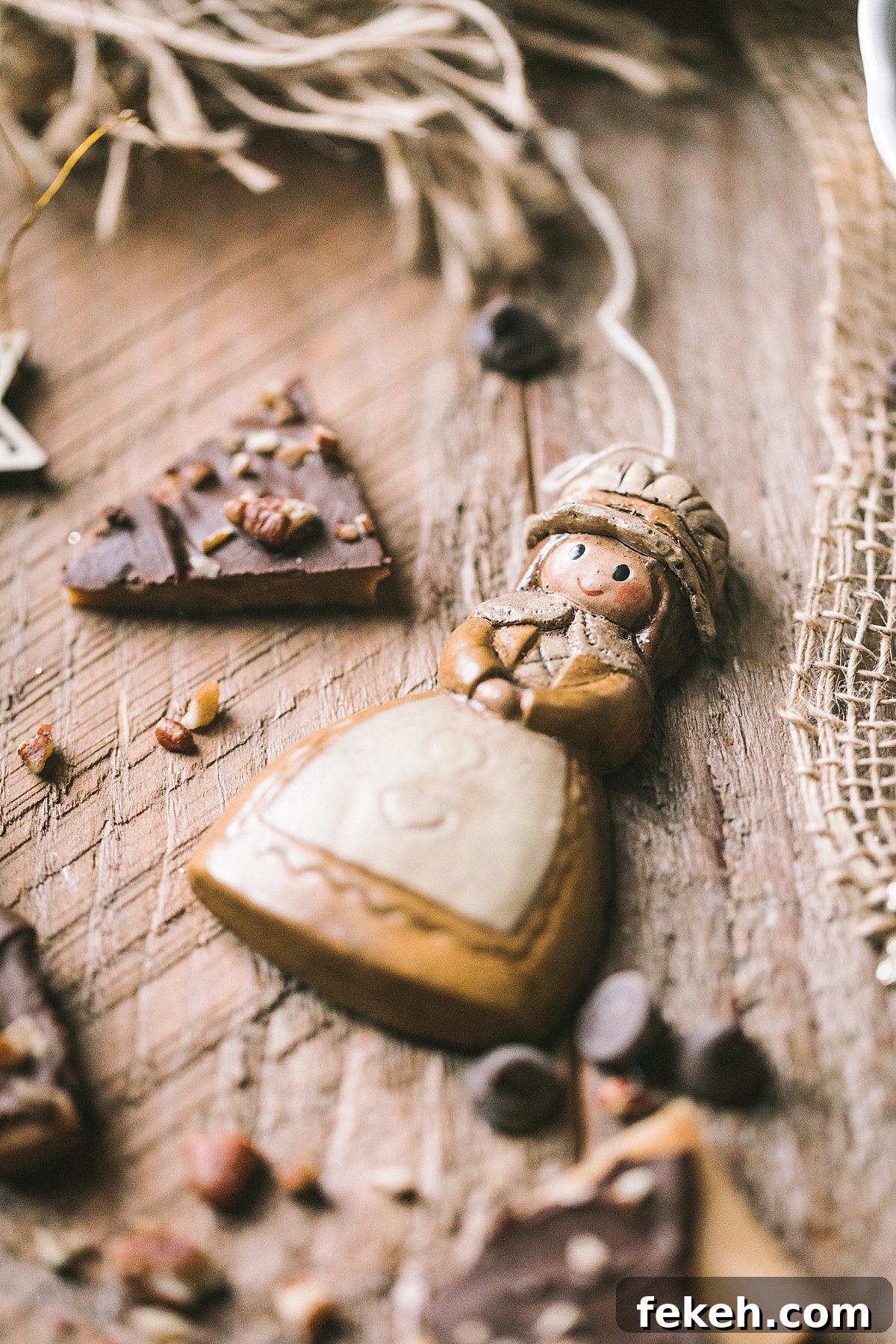
Types of Caramel
Dry Caramel vs. Wet Caramel vs. Shortcut Caramel-Flavored Things
- Dry caramel is made by heating only sugar until it liquefies and caramelizes.
- Wet caramel starts with sugar dissolved in a bit of water, which makes caramelization easier to control.
- Shortcut caramel sauces often use brown sugar, cream, and butter for a quick, caramel-like flavor without true sugar-only caramelization.
Is toffee just burnt caramel?
No. Toffee is a distinct confection made from white sugar and butter. While both involve cooked sugar, the ingredients and techniques differ.
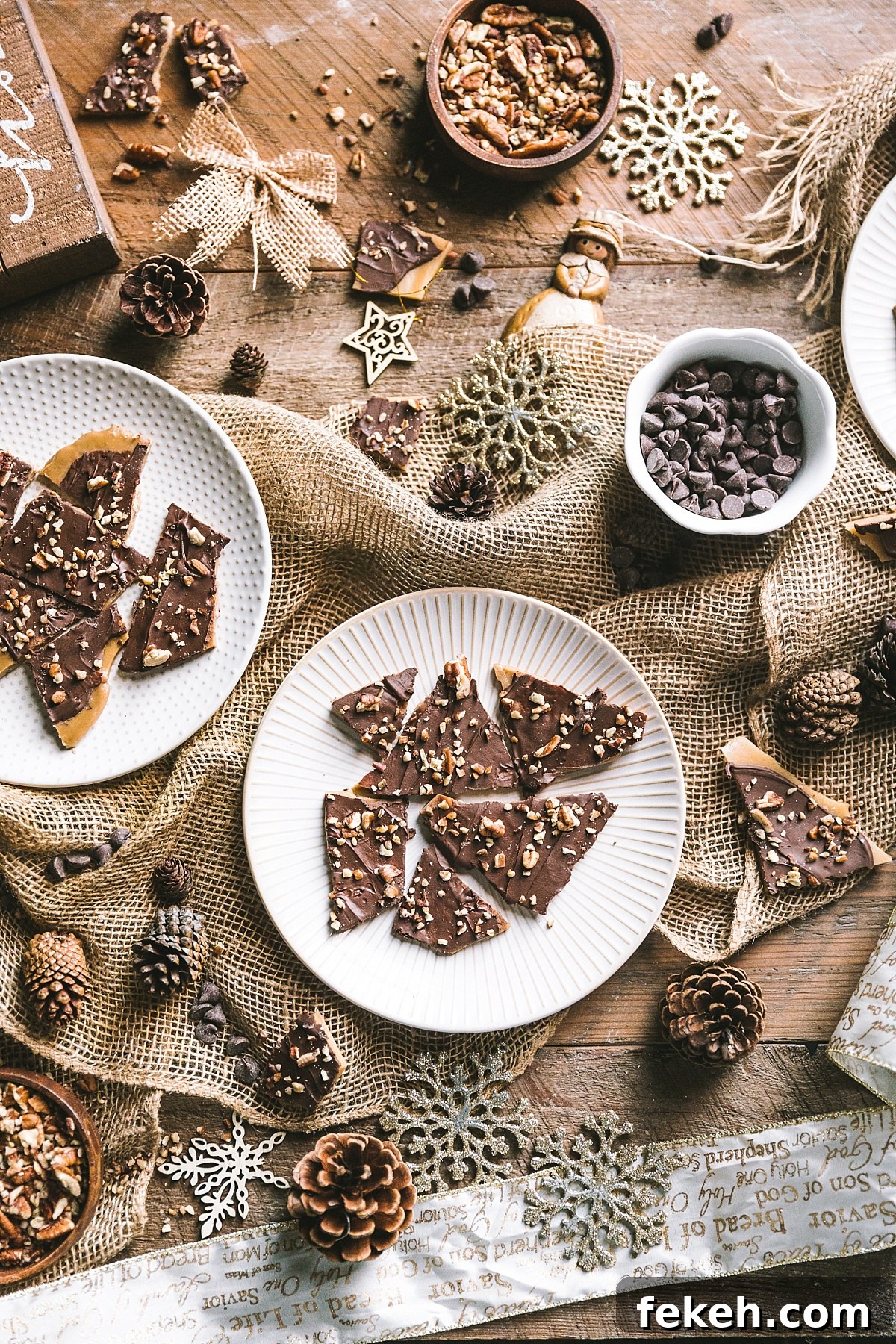
More Comparisons
What’s the difference between toffee and peanut brittle?
- Brittle is usually made from sugar and water cooked until the sugar caramelizes and hardens into a glassy, crackable candy.
- Toffee carries the buttery flavor of butter, while brittle is mainly pure caramelized sugar.
- Nuts in toffee are often incorporated into the candy base, while in brittle they are typically pressed onto the surface as it cools, creating a distinct nut layer.
What is the difference between English toffee and regular toffee?
- “English toffee” generally denotes a style or heritage rather than a strict, unique recipe. Ingredients—sugar, butter, and sometimes nuts or chocolate—are largely the same.
- Regional recipes and personal preferences create variations in texture, sweetness, and inclusions, so the terms overlap in practice.
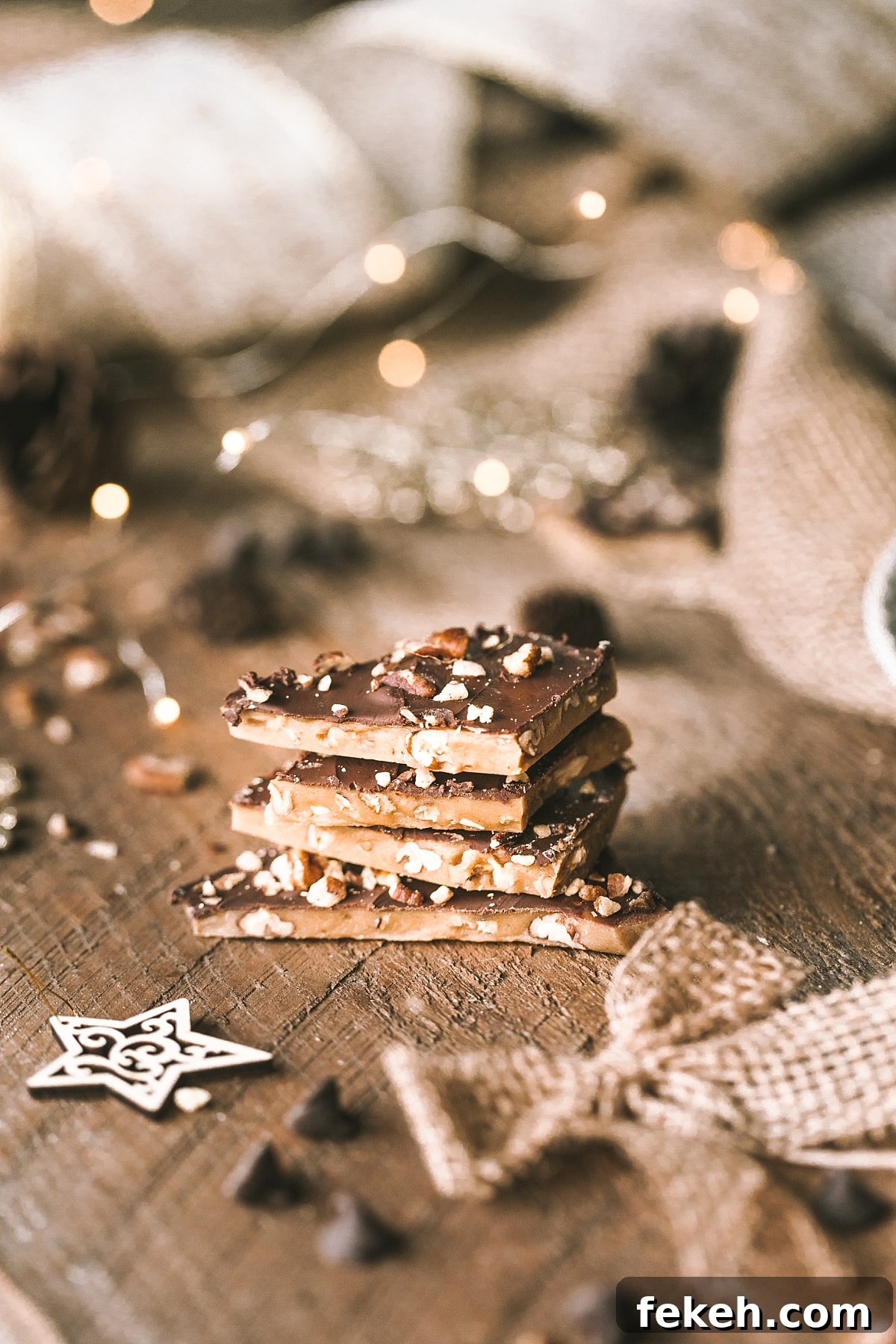
Tips
- Use salted butter for better flavor balance and reduced risk of splitting.
- Cook over moderate heat for more control; higher heat shortens cooking time but increases the chance of burning.
- About 295°F is the line between a slightly chewy toffee and a snappier, crisp toffee—most prefer the latter.
- A quality candy thermometer is essential for consistent results.
Safety Tips When Making Toffee
- Wear heat-resistant oven mitts or gloves to protect from hot pots and splatters.
- Never put your fingers into hot candy to taste.
- Do not lick a spoon used for hot candy until it has cooled to a safe temperature.
- Keep children and distracted people away from the cooking area while working with very hot sugar.
- Stay focused—distractions can lead to overcooking or burns.
History and Origins of Toffee
- Food historians do not agree on a precise origin, but toffee rose to prominence in the early 19th century in England and elsewhere in Europe.
- The word “toffee” appears in English dictionaries from the early 1800s, reflecting the candy’s growing popularity.
- The rise of inexpensive sugar during the colonial era contributed to wider access and experimentation with confections like toffee.
Popular Flavors of Toffee
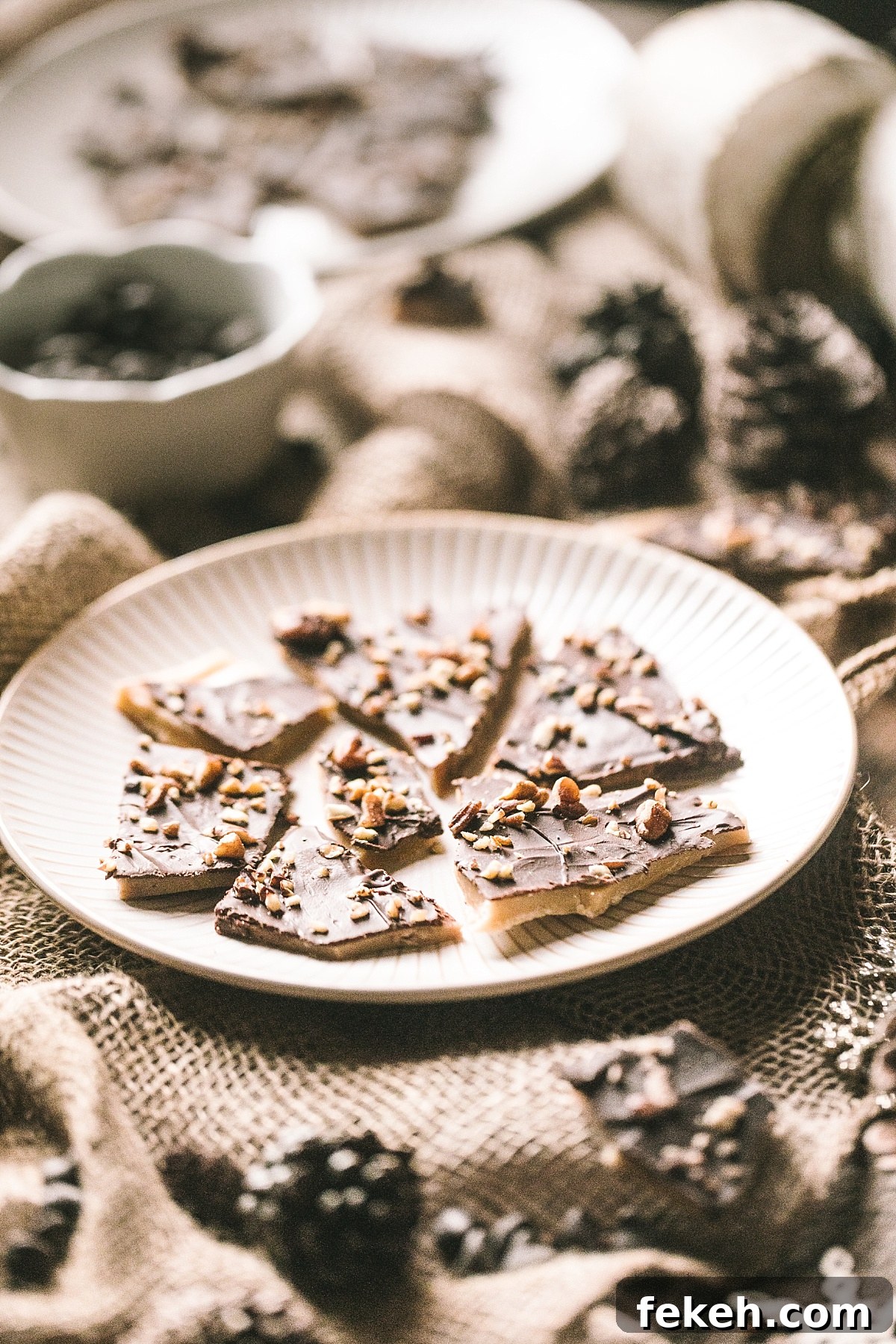
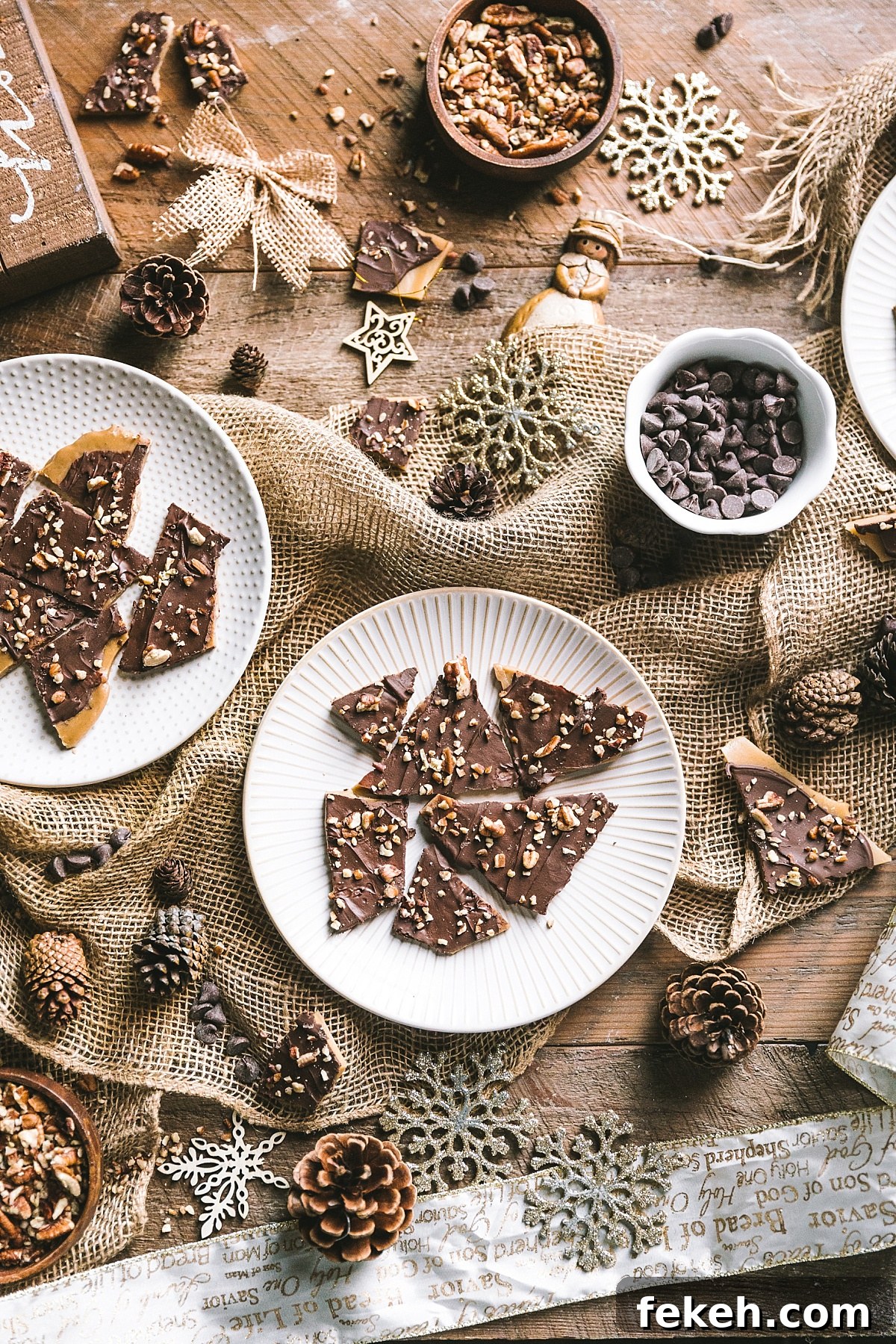
- Chocolate-covered toffee is a favorite—melted chocolate spread on top adds depth and contrast.
- Vanilla extract or vanilla bean can round out the sweetness with a warm aroma.
- Pecans, almonds, and other toasted nuts add crunch and complement the buttery base.
- Experiment with spices or citrus zest for seasonal variations and special occasions.
Dietary Questions
Is toffee gluten-free?
Pure toffee made from sugar and butter is naturally gluten-free, provided no wheat-based additives are included.
Is toffee dairy-free?
No—traditional toffee contains butter and is not dairy-free or vegan. Dairy-free alternatives require specialized recipes and substitutes.
Storing
- Layer homemade toffee between sheets of parchment paper to prevent sticking.
- Store in an airtight container to protect against humidity, which can make toffee sticky and soft.
- Keep toffee in a cool, dry place away from direct heat or sunlight for best texture and shelf life.
- Toffee can be frozen for up to six months when well-wrapped and sealed.
Chocolate Covered Rich Buttery Toffee Recipe
27 Toffee Recipes
There are many variations to explore—traditional English toffee, sea salt toffee, nut-studded toffees, and flavored modern takes. Try different combinations of chocolate, nuts, extracts, and cooking times to find the version you like best.
Sample the Christmas Around the World Series on The Storied Recipe Podcast
-
161 Christmas in Indonesia with M. Aimee Tan
-
160 Christmas in Bruderhof with Diana Rutherford
-
159 Christmas in Ecuador with Sofia Alarcon
-
Christmas Traditions Around the World (Podcast Interviews)