Romance scams continue to rise, and they can ensnare anyone. According to the FBI, these schemes are becoming more common and more costly. If something online seems too good to be true, it usually is — especially when emotions are involved.

Online scams are not new, but they have evolved. In 2020 the FBI recorded more than 23,000 victims of romance fraud, with total losses around $605 million. Scammers use charm, attention and fabricated backstories to build trust, then ask for money once the victim is emotionally invested.
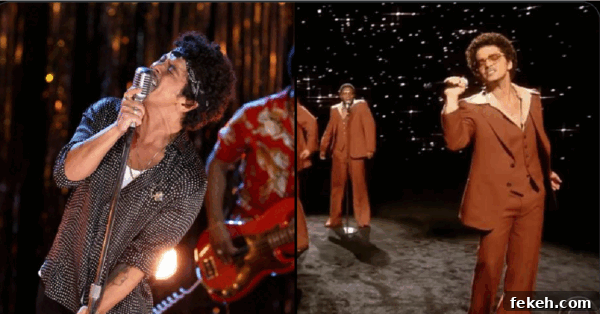
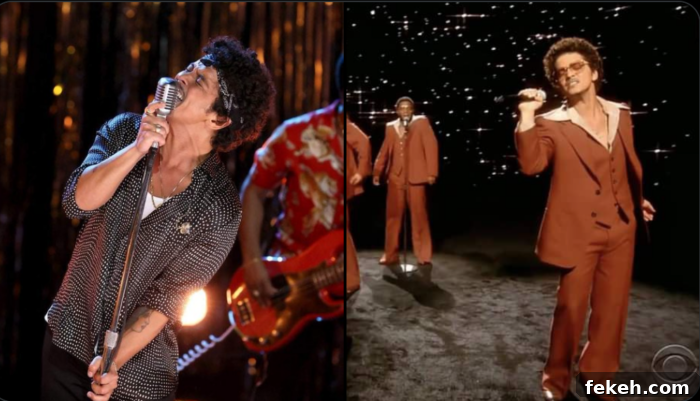
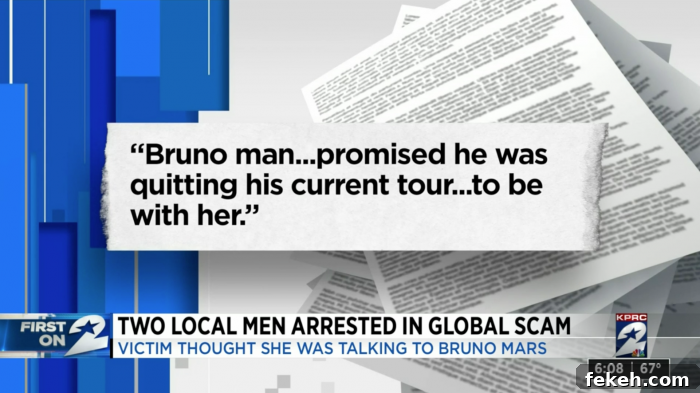
One recent case involved a woman in Texas, who chose to remain anonymous and is identified only as “Jane” in reports. She created an Instagram account in 2018 at age 63 and connected with someone claiming to be the entertainer Bruno Mars. Grieving the loss of her husband and feeling lonely, she formed an emotional bond with the person behind the account and truly believed she was communicating with the celebrity.

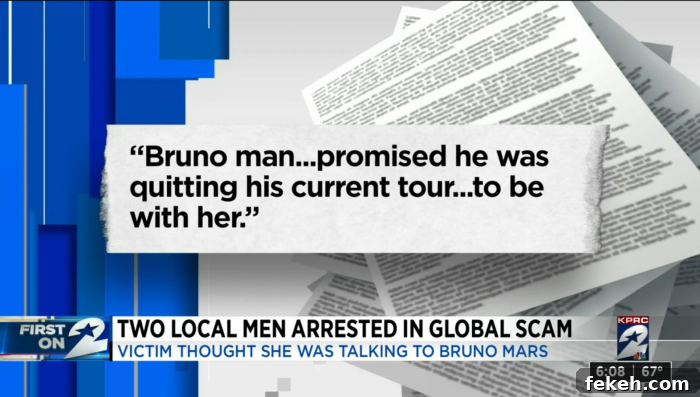
Over time the relationship developed into what she thought was a private connection. The impersonator then began requesting money, citing needs such as “tour expenses” and travel costs to come visit her. These appeals preyed on her trust and her loneliness, and she complied.
She sent a cashier’s check for $10,000 and later another check for $90,000 — a combined $100,000. The requests were presented as urgent and necessary, and because she believed she was helping someone she cared for, she transferred the funds.
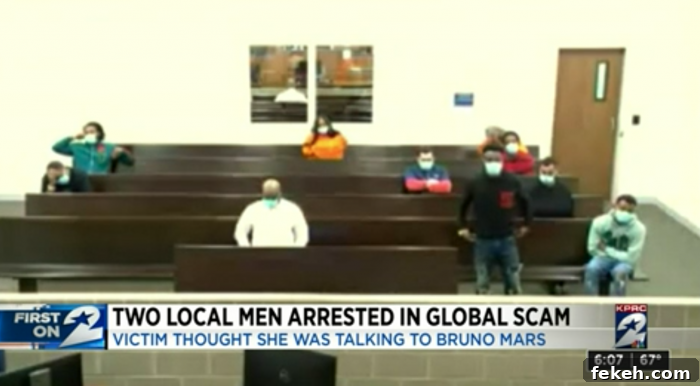
Investigators traced the funds to a bank account held by Chinwendu Azuonwu. Authorities arrested him along with an alleged accomplice named Basil Amadi. According to reports, the two men visited the victim’s home to collect money supposedly for “Bruno” — a person who was never actually involved.

These arrests represent only a small piece of a much larger, international fraud operation. The men charged are accused of opening accounts and laundering the proceeds, acting as intermediaries in a broader scheme. Law enforcement officials say the ring appears global, and they continue to investigate to identify the organizers and additional participants.
Victims of romance scams often report convincing conversations, requests for secrecy, and increasingly elaborate stories designed to elicit sympathy and financial help. Common tactics include claims of imminent travel, sudden emergencies, legal or medical bills, and requests to use third-party accounts or cashiers checks to move money.

Experts urge caution: accounts without verification badges are frequently fraudulent, and anyone asking for large sums or secretive transfers should be treated as suspicious. Red flags include requests to move money through unfamiliar people, urgent pressure to act, inconsistencies in the other person’s story, and reluctance to meet in person or speak via video.
If you or someone you know is approached online and asked for money, stop communication and verify the person’s identity independently. Report suspicious profiles and transactions to local authorities and the platform where contact occurred. Law enforcement agencies and financial institutions can sometimes freeze transfers or trace funds, but prevention and skepticism remain the best defenses.
This case is a painful reminder that romance scams can devastate lives. Be cautious, verify identities, and don’t send money to someone you’ve only met online, no matter how convincing their story may be. Protecting yourself and others starts with common sense and awareness.