
As we move through life, many expenses that once seemed necessary can become wasteful over time. These small, recurring costs chip away at savings and delay financial goals. Regularly reviewing your spending and eliminating unnecessary charges is one of the simplest paths to greater financial stability.
Below are 25 common, often overlooked expenses you can cut from your budget. Each suggestion is practical and aimed at helping you reduce monthly outflows without sacrificing quality of life.

25 Useless Expenses You Need To Cut From Your Budget Now
These changes can be implemented gradually. Start with the low-effort swaps first and work toward eliminating the larger recurring costs.

Daily coffee runs
Buying coffee every day adds up fast. Brewing at home, using a thermos, or making coffee in batches will save significant money over time while still letting you enjoy your routine.
Bottled water
In areas with safe tap water, bottled water is costly and creates waste. Invest in a durable reusable bottle and consider a basic water filter to improve taste and reduce costs.
Cable TV
Traditional cable packages are expensive. Evaluate the streaming services you actually use and cut cable or unnecessary bundles. Subscribe only to the services that deliver real value for your household.
Gym memberships
Unused or rarely used gym memberships are a common drain. Consider home workouts, outdoor running, or community classes. If you need a gym, look for lower-cost options or ask about employer or insurer reimbursement programs.
Daily fast food runs
Frequent takeout is convenient but costly and often less healthy. Meal planning and simple meal prep can lower food costs and improve nutrition.

Magazine and newspaper subscriptions
Subscriptions that go unread waste money. Use your library, read digital articles selectively, or subscribe to only the publications you consistently value.
New books
New hardcover books are expensive. Libraries, e-books, used bookstores, and book swaps are great alternatives for avid readers on a budget.
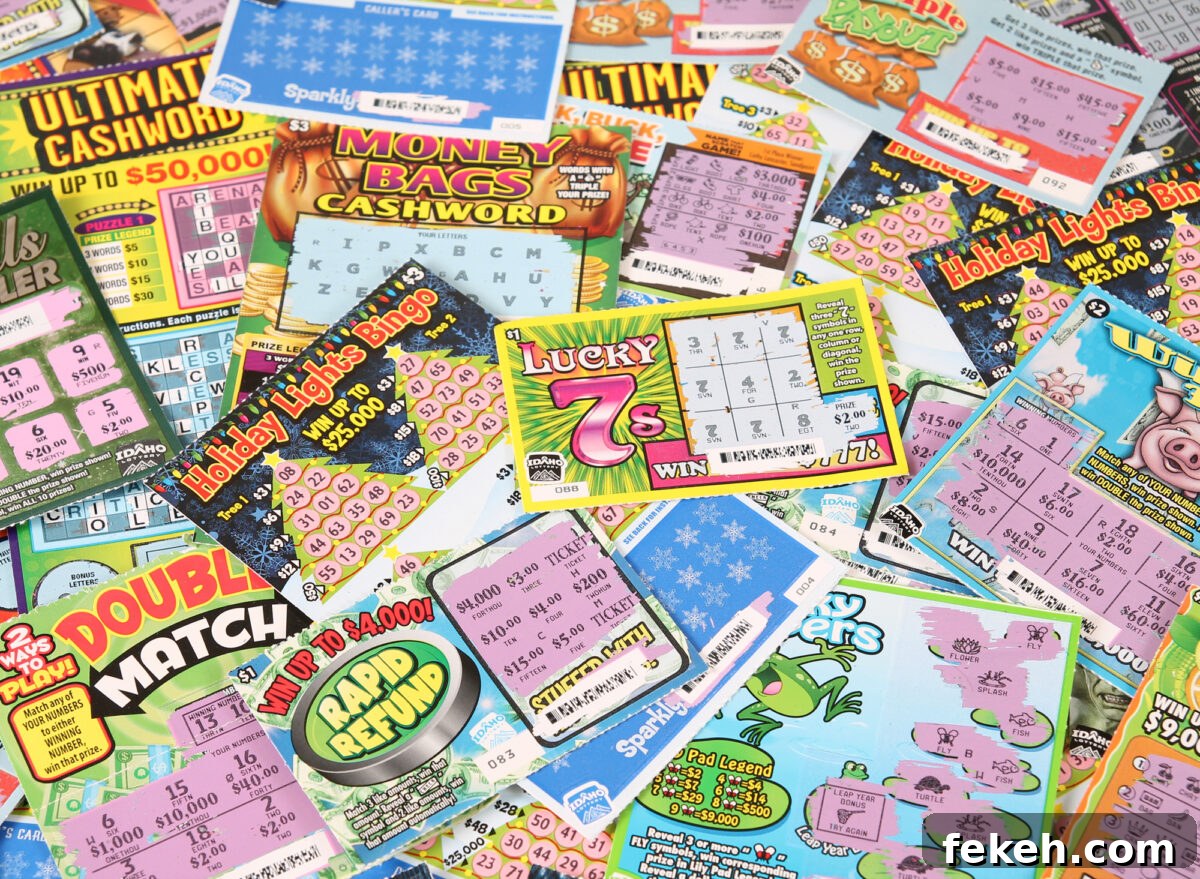
Lottery tickets
Buying lottery tickets is a low-probability gamble. Redirecting that money into savings or a conservative investment gives you a predictable return and builds real wealth.
Unused subscriptions
Subscriptions for streaming, shopping clubs, or digital services can slip past notice. Review recent bank statements, cancel unused services, and consider consolidating where possible.
ATM and bank fees
Out-of-network ATM fees and monthly service charges add up. Use in-network ATMs, seek cash-back at stores, or switch to a fee-free credit union or online bank.
Brand-name products
Generic versions of many household items, medications, and groceries offer comparable quality at a lower price. Buy name brands selectively when there is a clear benefit.
Unused memberships
Club memberships—warehouse stores, recreational clubs, or professional groups—should be evaluated by usage. Cancel memberships you don’t actively use.
Dining out too often
Eating at restaurants frequently is expensive. Cook more at home, treat dining out as occasional entertainment, and use coupons or gift cards strategically to reduce costs.
Impulse purchases
Impulse buys derail budgets. Implement a waiting period for non-essential purchases—sleep on it, then decide if the item is still worth the expense.
Extended warranties
Extended warranties often duplicate existing protections or offer limited value. Evaluate the item’s reliability and the warranty’s terms before buying.
High-end smartphones
Flagship phones come with premium prices. Consider mid-range models or refurbished devices that meet your needs for a fraction of the cost.

Cable internet and hidden fees
Internet bills can include unnecessary add-ons. Shop around, negotiate with providers, or downgrade to a plan that fits your usage.
Excessive mobile data
Paying for more data than you need is wasteful. Monitor usage and switch to a plan that aligns with actual consumption.
Premium TV channels
Premium channel subscriptions are often kept for a single show. Subscribe only during the show’s season or use on-demand rental options.
Brand-name medications
Generic drugs are usually effective and much less expensive. Search for manufacturer coupons or pharmacy savings programs when out-of-pocket costs are high.

Unnecessary car upgrades
Cosmetic upgrades like premium rims or elaborate sound systems rarely add resale value. Prioritize reliable maintenance over aesthetic enhancements.
Premium gas
Only use premium fuel if your vehicle’s manufacturer recommends it. Otherwise regular-grade gasoline saves money without harming performance.
High-end clothing brands
Designer clothing can be costly. Affordable brands and secondhand shops offer similar styles for much less.

Excessive beauty and grooming products
Frequent product purchases driven by trends often leave you with unused items. Stick to essentials you use regularly and avoid impulse beauty buys.
Overbuying home decor
Decor trends change quickly. Buy selectively, choose versatile pieces, and consider thrift or clearance finds to refresh your space affordably.
Cutting unnecessary expenses is a simple, effective strategy for improving your financial health. Small changes compound—redirecting a few common monthly costs into savings or debt repayment can accelerate progress toward your goals. Review your spending regularly, prioritize what truly adds value, and make conscious choices that support long-term financial well-being.
Want more ways to save money? Check out:
- Best Savings Challenges to Try in 2023
- How to Do The 100 Envelope Challenge
- How Much Cash You Need to Save In Case a National Emergency Happens
- 50 Legit Side Hustles That Can Make You Money Now