Cape of Good Hope: A Day in Table Mountain National Park
After an early morning visit to the Boulders Beach penguins, my fiancé and I continued south along the Cape Peninsula into Table Mountain National Park. From the moment we entered the park we were met with repeated warnings about baboons: they can be dangerous and must not be fed. The signs were clear and a little intimidating, and I was glad not to get too close. The thought of an aggressive baboon encounter is unnerving, so we took the advice seriously and kept our distance.
Having spent the first part of the day among penguins and granite boulders, lunch was next on our list. At the very tip of the cape sits Two Oceans, a renowned seafood restaurant with sweeping views of False Bay. We chose a table on the patio to enjoy the sunshine, the fresh ocean breeze, and the dramatic coastal scenery. It was the perfect setting to relax and refuel.
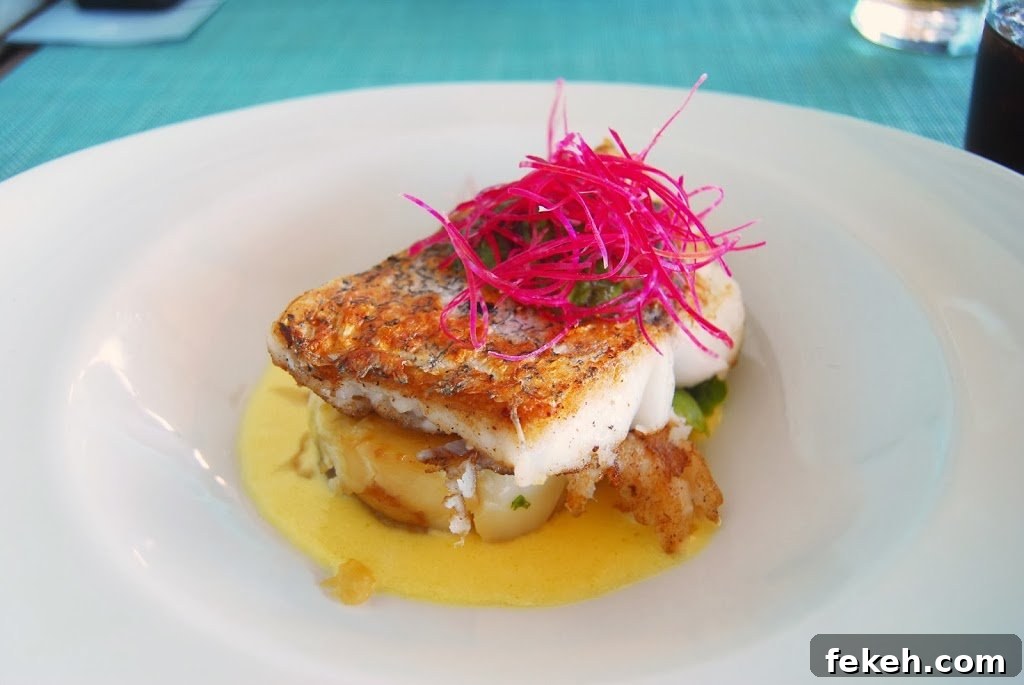
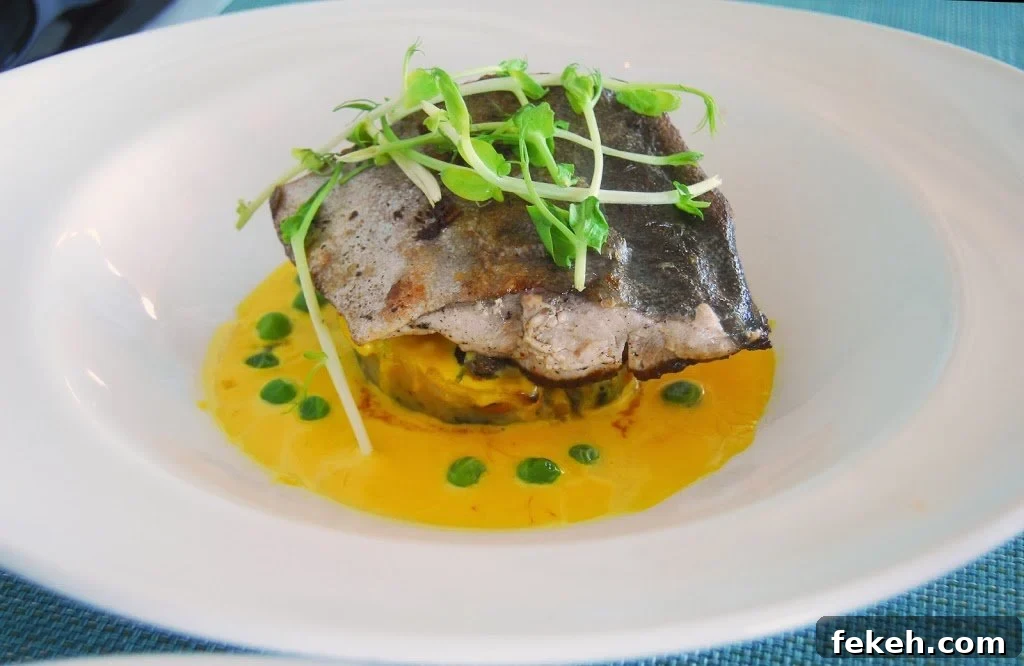
For lunch we each ordered a different fish to sample local flavors. I opted for hake, served with a bright salsa verde and lemony potatoes. My fiancé selected line fish accompanied by mussel potatoes. Both dishes were fresh, well-seasoned, and a delicious match for the coastal setting. The meal felt fittingly local and memorable—exactly what you want when dining at the tip of Africa.
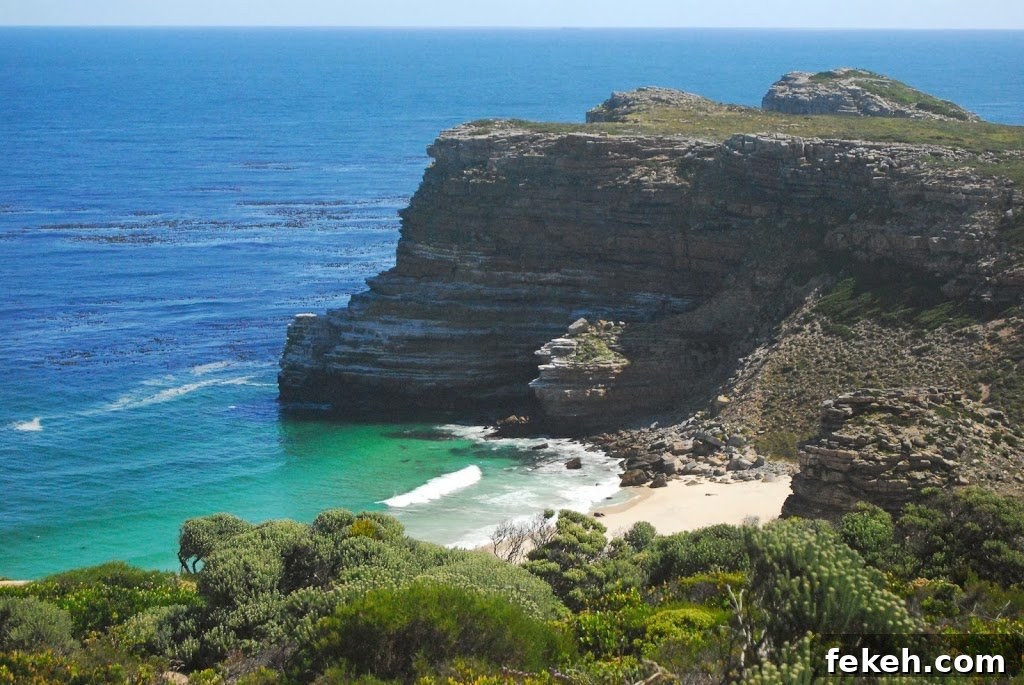
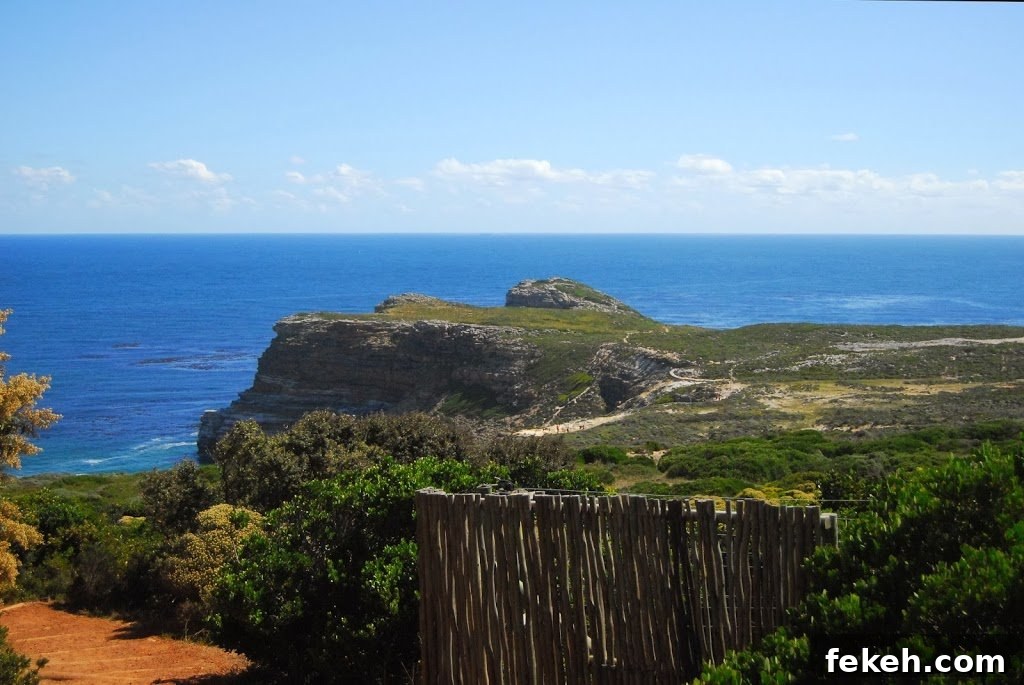
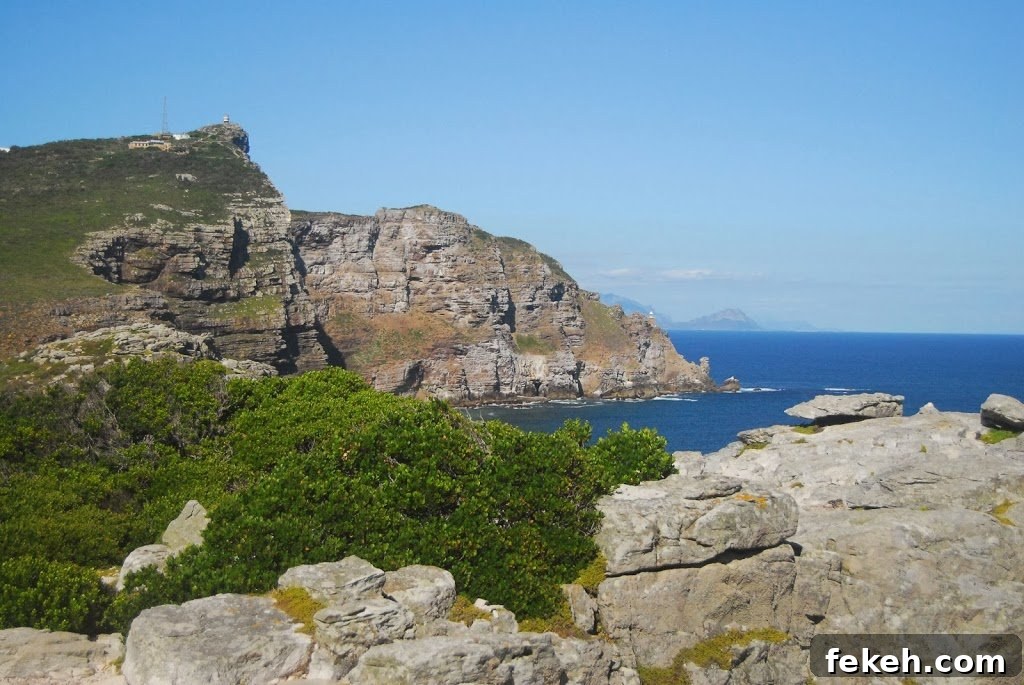
After lunch we set off on the walk toward the cape’s most southerly point. More notices about not feeding baboons lined the route, but the path itself offered expansive views of rugged coastline, crashing surf, and wind-sculpted vegetation. The landscape felt both wild and historic, a place that has challenged mariners for centuries.
Reaching the top and looking out over the southwesternmost tip of Africa was a genuinely awe-inspiring moment. The sweeping ocean vistas and sheer cliff faces create a dramatic scene that’s hard to forget. For centuries European sailors used the Cape of Good Hope as a major navigational marker; passing it meant their voyage would begin to head more east than south toward Asia. Standing there, the sense of maritime history was almost tangible.
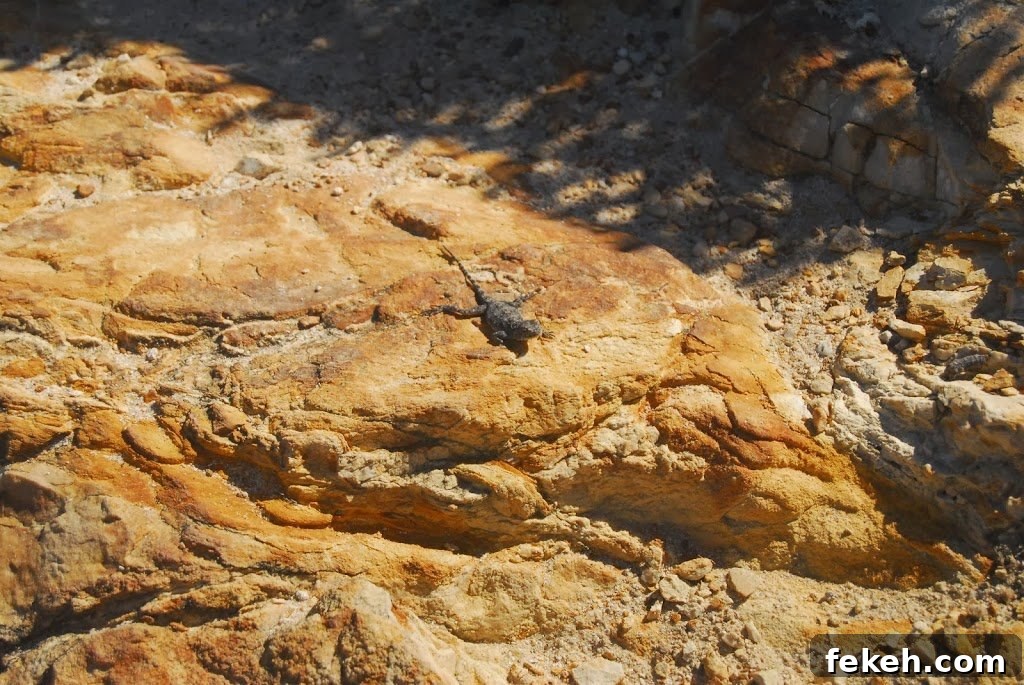
While the baboons stayed out of sight, the reserve was alive with smaller wildlife. Little lizards darted across the rocks and sandy patches, adding a charming, lively detail to the landscape. Their quick, skittering movements contrasted with the slow rhythm of the waves far below.
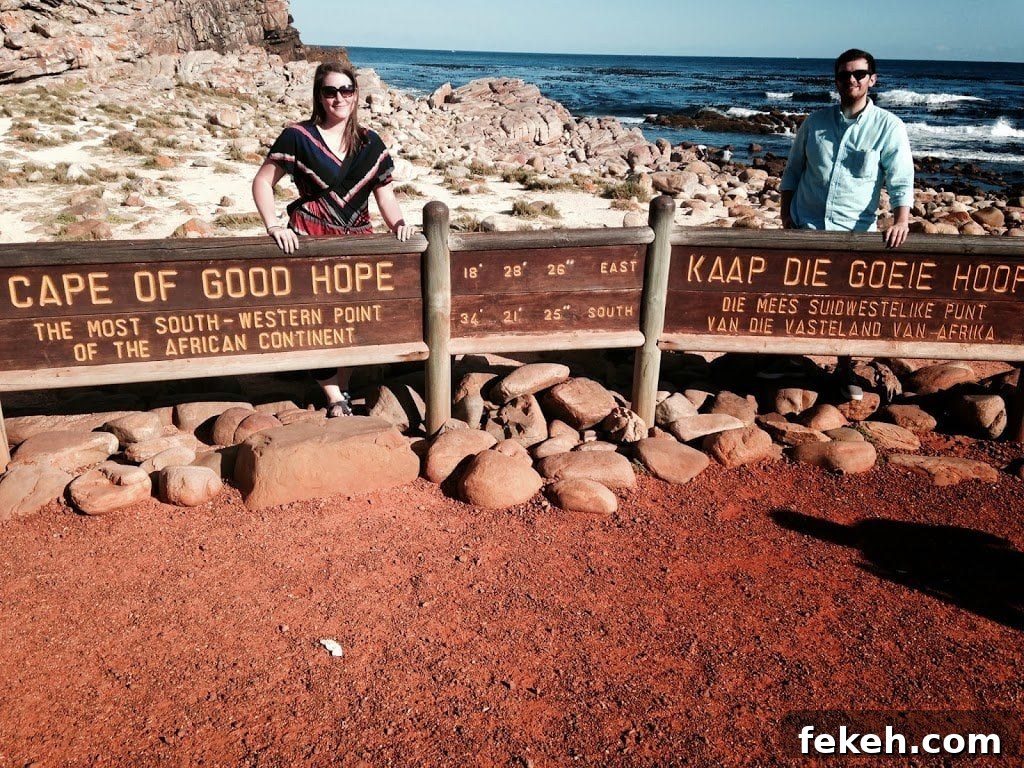
We continued our walk down to the iconic Cape of Good Hope sign, joining other visitors for photos and soaking in the sense of arrival at one of Africa’s most famous landmarks. It was a classic travel photo moment—equal parts scenic and symbolic—and we were glad to be there to capture it.
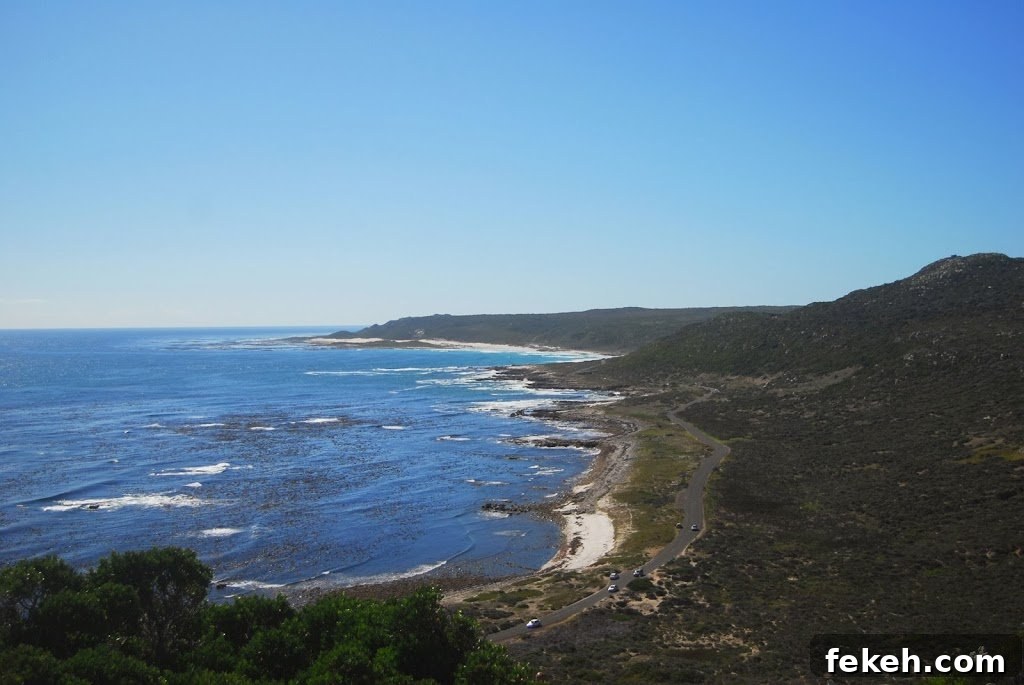
On the drive back through Table Mountain National Park we kept our eyes peeled for baboons, hoping to glimpse them safely from the car, but we didn’t see any that day. Despite that, the combination of coastal scenery, abundant wildlife, and historic significance made the Cape of Good Hope an unforgettable stop on our trip. If you visit Cape Town, this dramatic stretch of coastline—its restaurants, trails, and viewpoints—is well worth the time to explore.