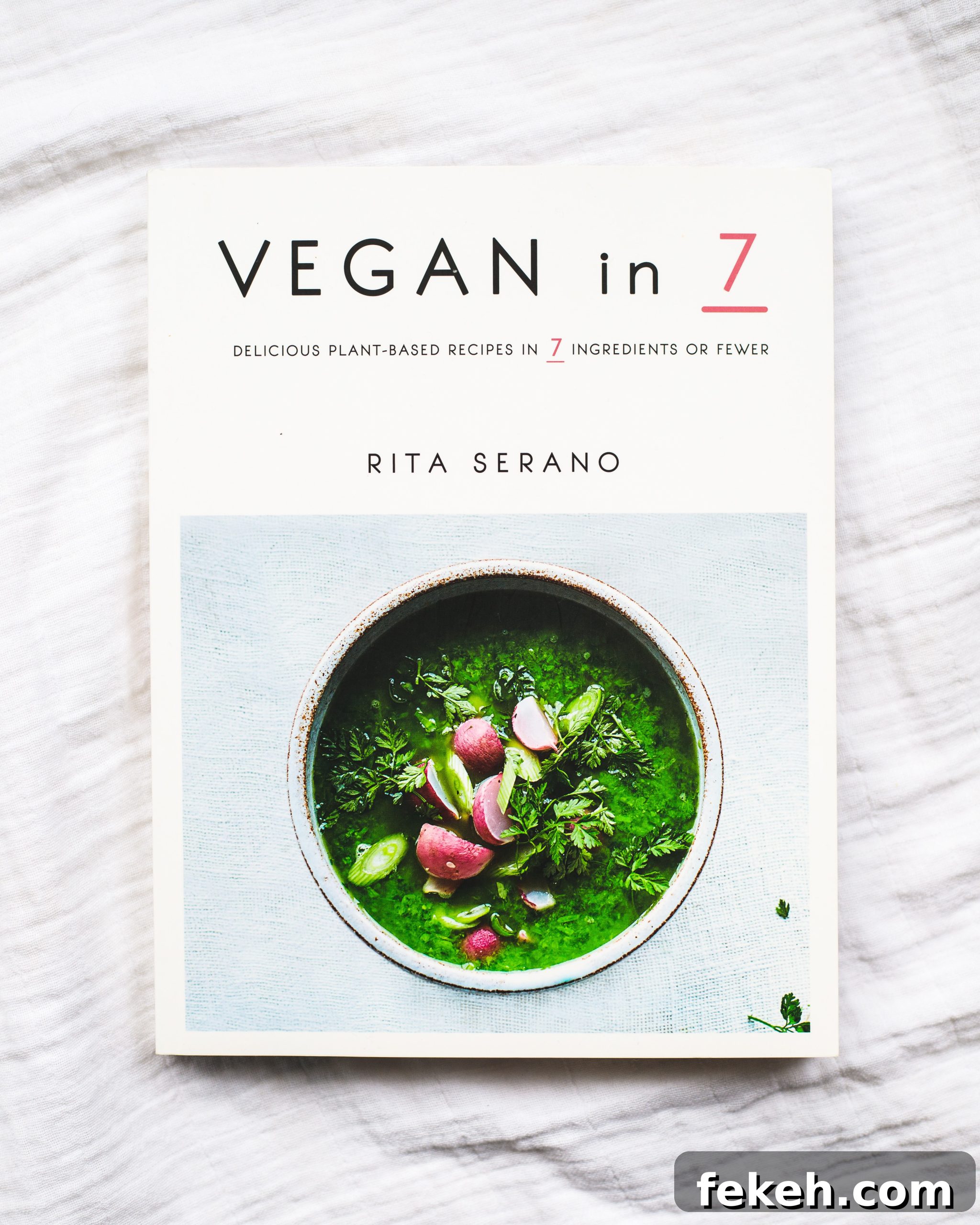
 I was eagerly awaiting the chance to cook from this cookbook, especially because I admire the author’s work. Rita Serano is warm, generous, and gifted at creating accessible plant-based dishes. I had the pleasure of meeting her last year at a bento workshop in Amsterdam, and her enthusiasm for simple, flavorful cooking left a lasting impression. Her recipes reflect both experience and a deep love for nourishing food, and I’m proud to count her as an inspiration on my own culinary journey.
The first thing that struck me while browsing the book was its clarity and simplicity. The layout is understated and practical, which makes the book a comfortable and enjoyable read. Each recipe is presented with straightforward instructions and clean imagery, encouraging readers to try dishes with confidence. My brother flipped through the pages before I had a chance and immediately got excited about a walnut ice cream recipe; several other dishes also generated buzz around the kitchen. That immediate appeal—recipes that invite curiosity and experimentation—is a hallmark of a well-crafted cookbook.
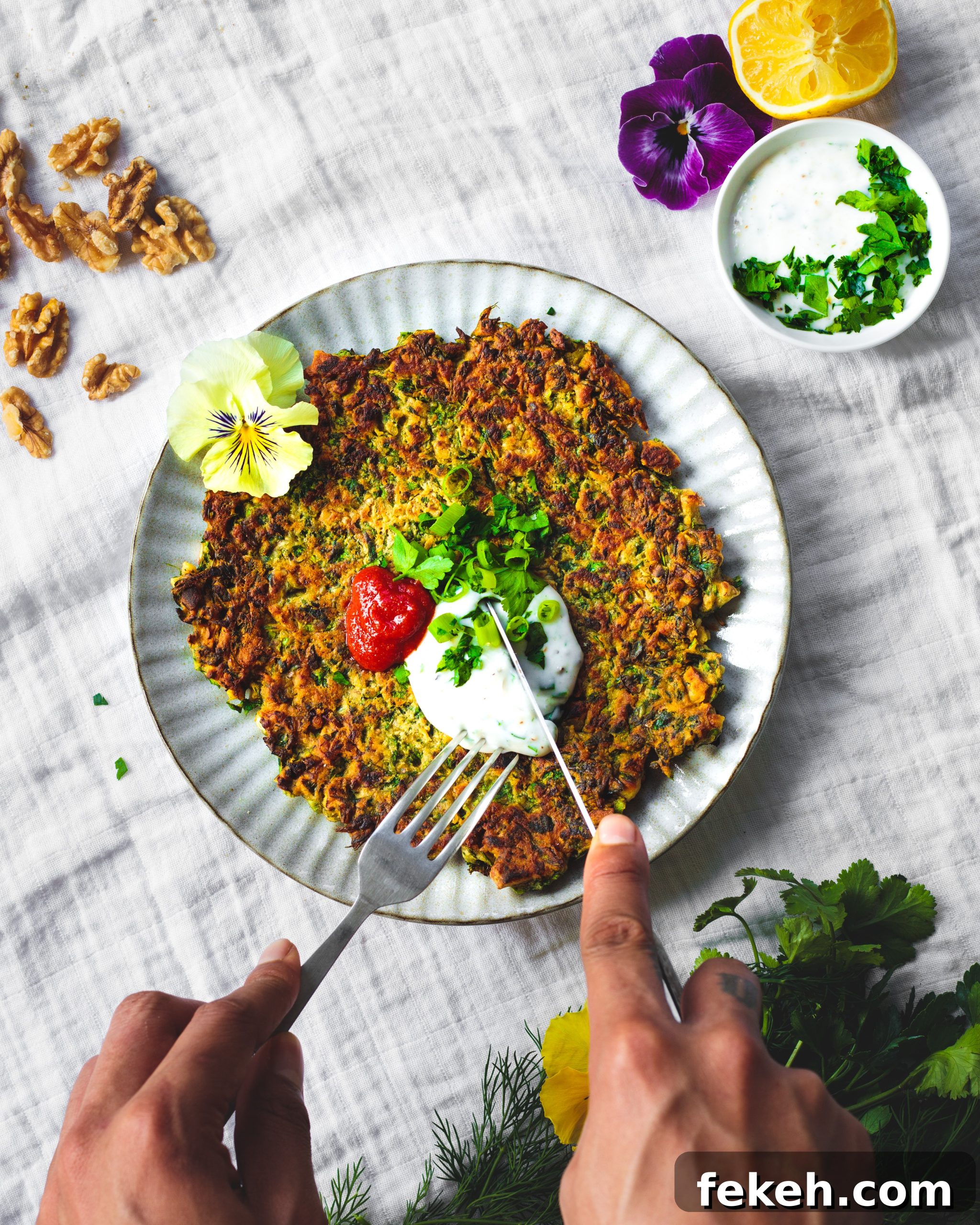
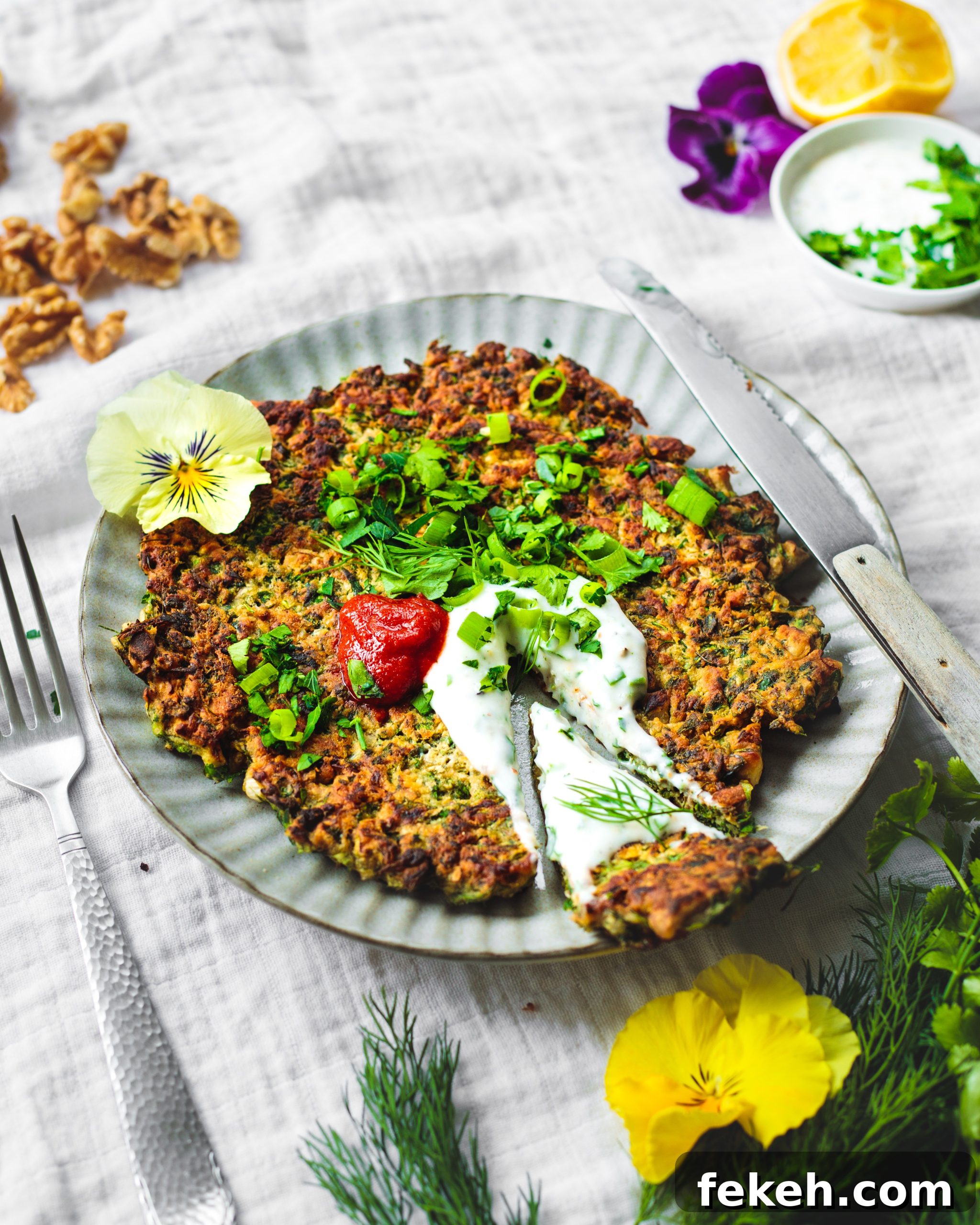
On a day off, I dedicated time to cooking several recipes from the book, starting with herb-filled chickpea “omelettes.” These plant-based omelettes are a revelation—light, savory, and packed with fresh herbs. I followed the base recipe and made a couple of personal adjustments: a pinch of garlic powder for depth and a simple herb-and-garlic coconut yogurt to serve alongside. The result was vibrant and satisfying; the omelettes were easy to prepare and full of balanced flavor. I can see myself returning to this recipe frequently for weekend breakfasts or quick dinners.
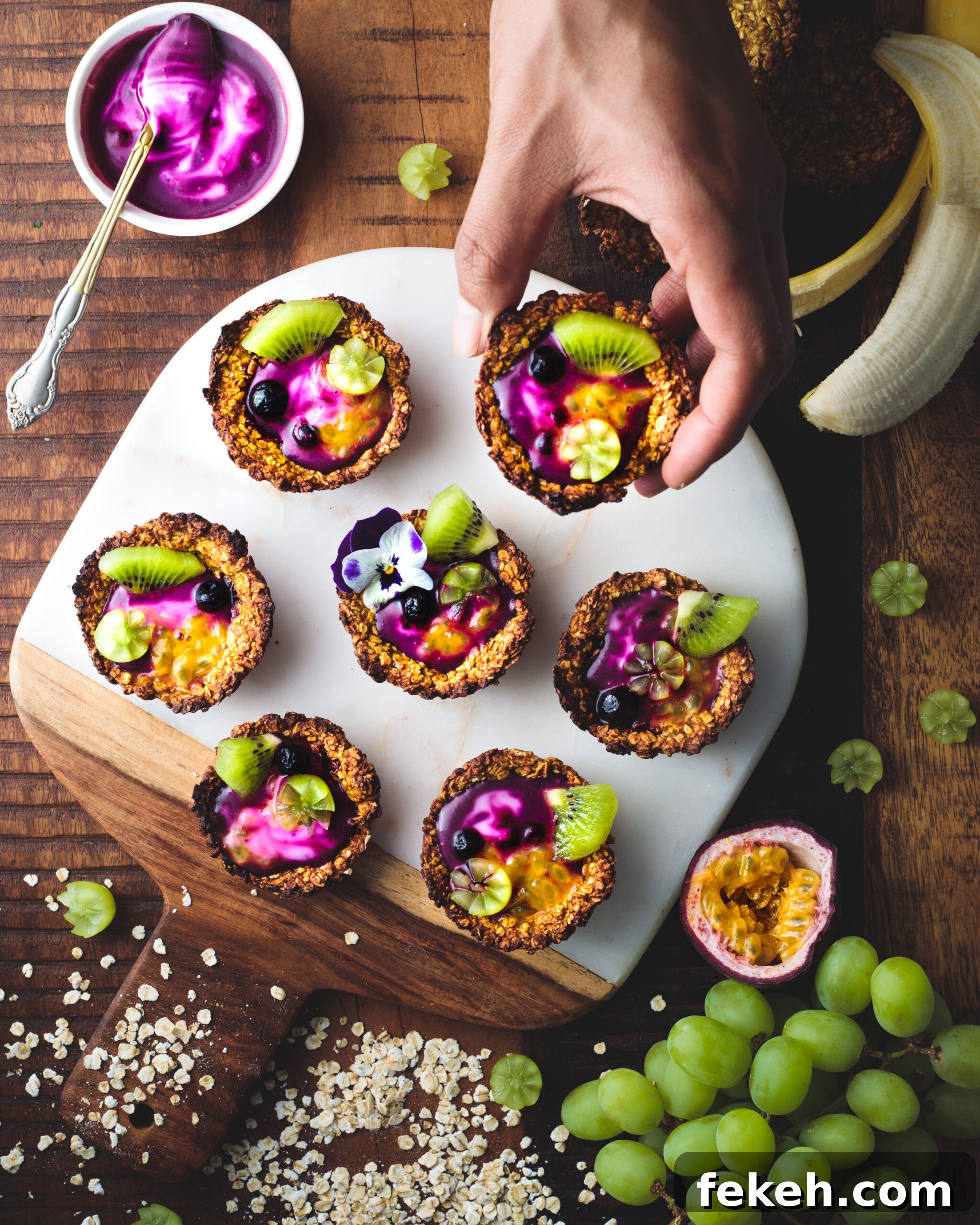
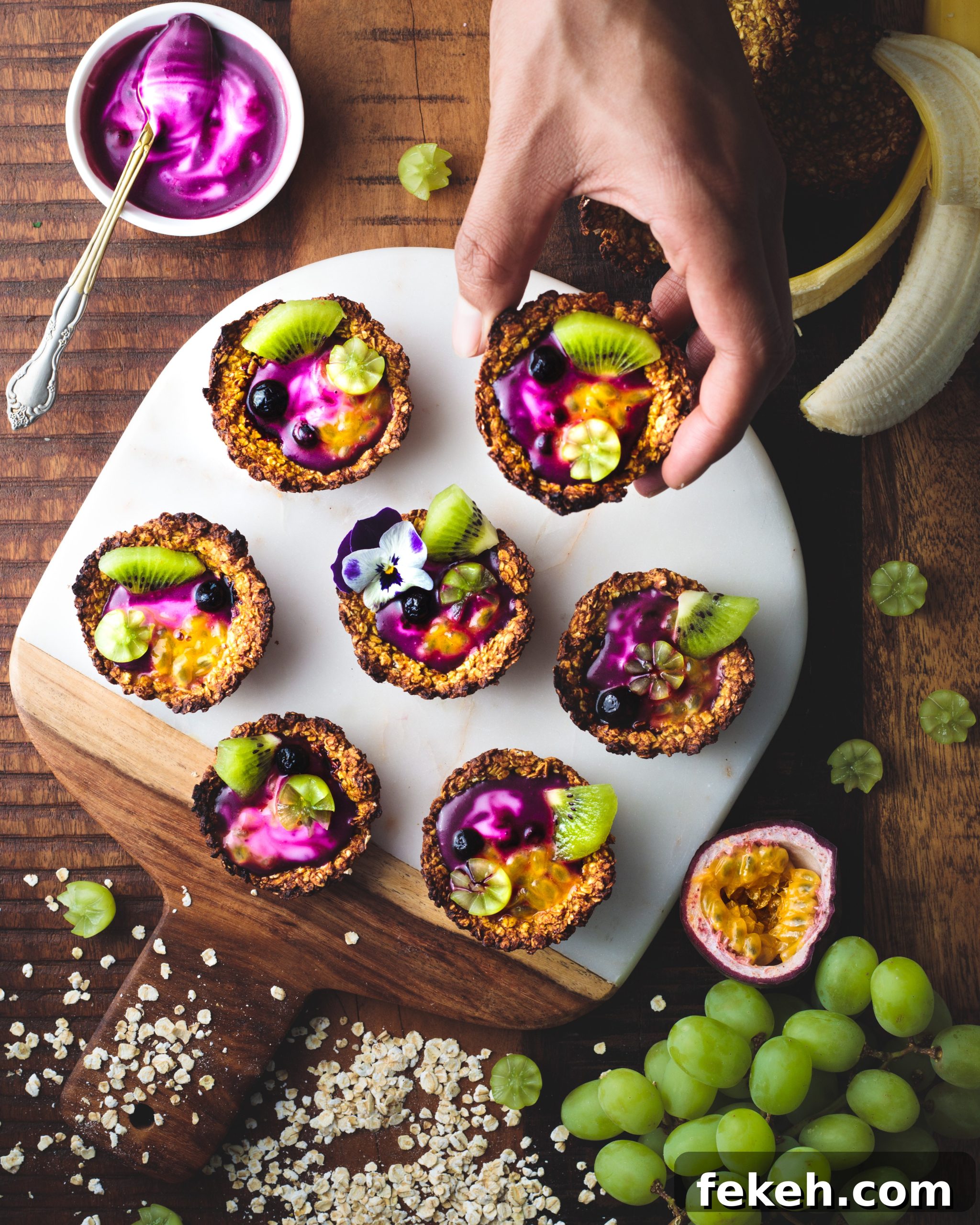
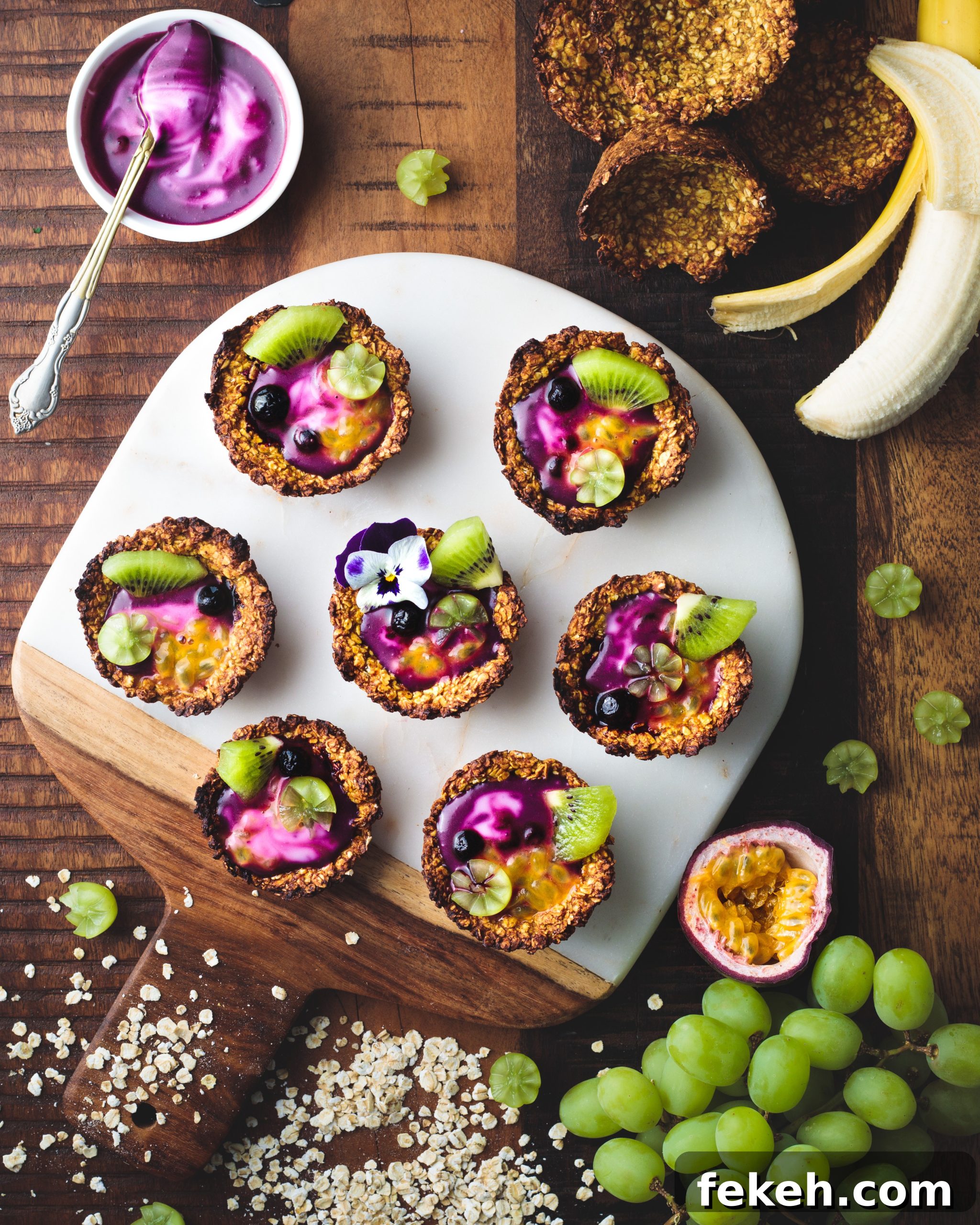
My next selection was a set of small cups layered with coconut yogurt and seasonal fruit. These parfait-style cups are delightful as a breakfast option, snack, or light dessert. The concept is wonderfully flexible: use any fruit you love, add nuts, granola, or a drizzle of maple syrup for extra texture and sweetness. The combination of creamy coconut yogurt and bright fruit makes for a refreshing, simple treat that’s as visually appealing as it is delicious.
There are still many recipes I want to try from this book. The walnut ice cream that my brother noticed is on the list, as are several savory dishes that blend herbs, legumes, and creative plant-based techniques. Overall, the cookbook strikes an effective balance between approachable everyday food and recipes that feel special enough for company. It’s the kind of cookbook that encourages experimentation while providing reliable results, which makes it a valuable addition to any kitchen.
Beyond the recipes themselves, the book conveys a genuine joy for food. The photography and styling capture the textures and colors of the dishes without feeling overly staged; the focus remains on the food and how it can be recreated at home. Each recipe includes easy-to-follow directions and sensible ingredient lists, which helps reduce friction for cooks who may be new to plant-based cooking or prefer simpler preparations.
If you enjoy fresh, herb-forward recipes and flexible plant-based ideas, this cookbook is worth exploring. It offers a mix of breakfasts, snacks, and meals that work well for daily cooking as well as entertaining. I look forward to sharing more dishes I recreate from the book and continuing to experiment with the many inspiring recipes it contains.
One love,
A.J.