
If you follow a gluten-free diet, you’ve probably encountered the terms lectins and phytates. These naturally occurring compounds are common in grains, legumes, nuts and seeds. While they can offer some health benefits, they may also affect digestion and nutrient absorption for certain people. This article explains what lectins and phytates are, where they’re found, and practical ways to reduce their impact while preserving nutritional value.
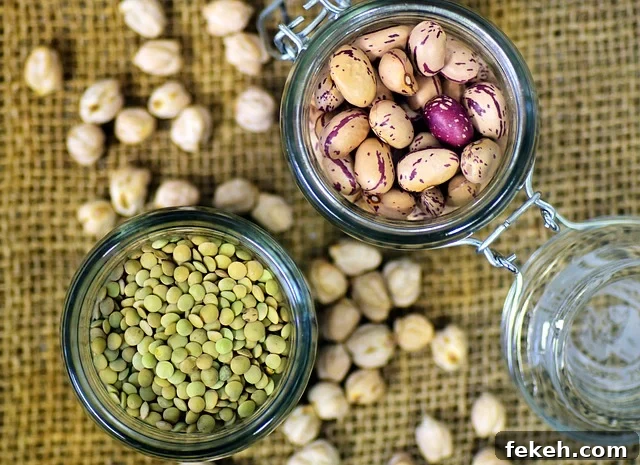
What are lectins and phytates?
Lectins are a family of plant proteins that help protect plants from pests. In foods, lectins can bind to cells in the digestive tract, and in sensitive individuals they may contribute to discomfort or interfere with nutrient uptake. Not all lectins affect people the same way — effects depend on the type of lectin, how the food is prepared, and individual tolerance.
Phytates (phytic acid) are compounds in many plant foods that bind minerals such as iron, zinc and calcium, which can reduce their bioavailability. Over time and with inadequate dietary variety, this binding can contribute to lower mineral status. At the same time, phytates also show antioxidant properties and may offer health benefits when consumed as part of a balanced diet.
Being aware of these compounds and using food preparation methods that reduce their activity can help support better nutrient absorption without needing to eliminate nutritious foods entirely.

Common food sources of lectins
Lectins are present in many plant foods. Common sources include legumes (beans, lentils, soybeans, peanuts) and some nightshade vegetables (tomatoes, peppers, potatoes, eggplant). Certain mushrooms and some dairy products may also contain lectin-like proteins. In contrast, foods such as chickpeas, mung beans and adzuki beans typically contain lower levels.
Some fruits, including bananas with brown spots, can contain lectins as well. Because lectin content varies widely between species and with ripeness or processing, it can be difficult to eliminate them entirely, but reducing intake of high-lectin foods or preparing them properly can lessen potential effects.
Lectins and the digestive system
In susceptible people — for example those with a sensitive gut, leaky gut, or other digestive conditions — lectins can contribute to irritation and may interfere with nutrient absorption by binding to the intestinal lining or to nutrients in the gut. That said, certain lectins consumed in moderate amounts may have beneficial effects; for instance, some research suggests particular lectins can influence blood sugar regulation.
To minimize unwanted effects, focus on preparation methods that reduce lectin activity. Soaking, sprouting and thorough cooking — especially pressure cooking — significantly lower lectin levels in legumes and some grains. Pay attention to how specific foods affect you: if beans or other high-lectin items consistently cause bloating or discomfort, reduce portion size or try alternatives that are easier to digest.
Phytates
Phytates are concentrated in whole grains, legumes, nuts and seeds. Because phytates bind minerals like iron and zinc, they can decrease the amount of these nutrients your body absorbs from food. This interaction matters most in diets that rely heavily on phytate-rich staples without sufficient dietary diversity or sources of highly bioavailable minerals.
Preparation techniques such as soaking, fermenting and sprouting activate natural enzymes that break down phytic acid, making minerals more available. Including vitamin C–rich foods alongside plant-based iron sources also improves iron absorption and helps offset phytate effects.
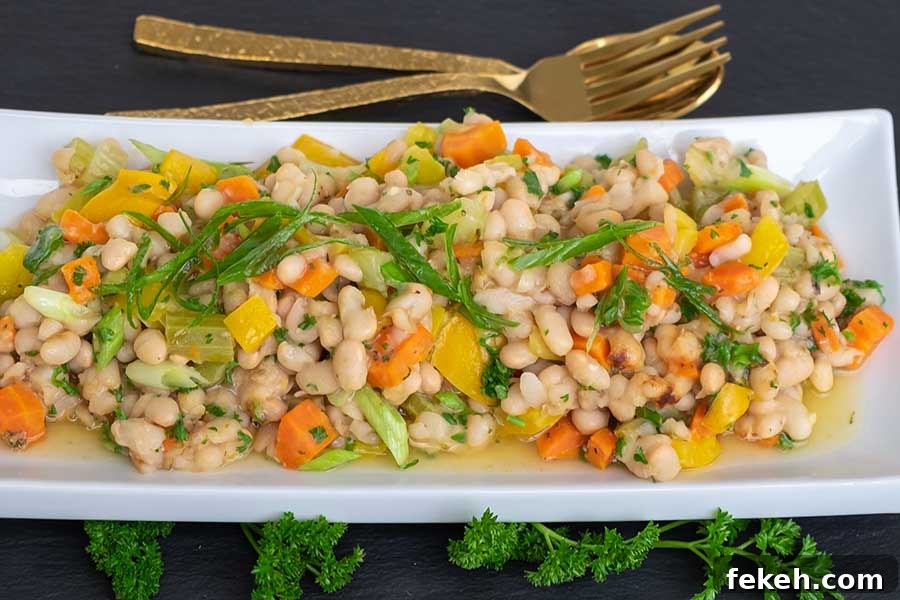
How to reduce lectins in your food
Practical steps can lower lectin content while keeping foods nutritious:
- Soak or sprout grains and legumes before cooking to begin breaking down lectins and phytates.
- Use pressure cooking for beans and other legumes; it is more effective than simple boiling at deactivating lectins.
- Peel and cook nightshade vegetables if you are sensitive; for some people, limiting tomatoes, peppers and raw potatoes reduces digestive issues.
- Rotate food choices and include a variety of plant and animal sources of nutrients to reduce the chance of deficiencies.
Food sources of phytates
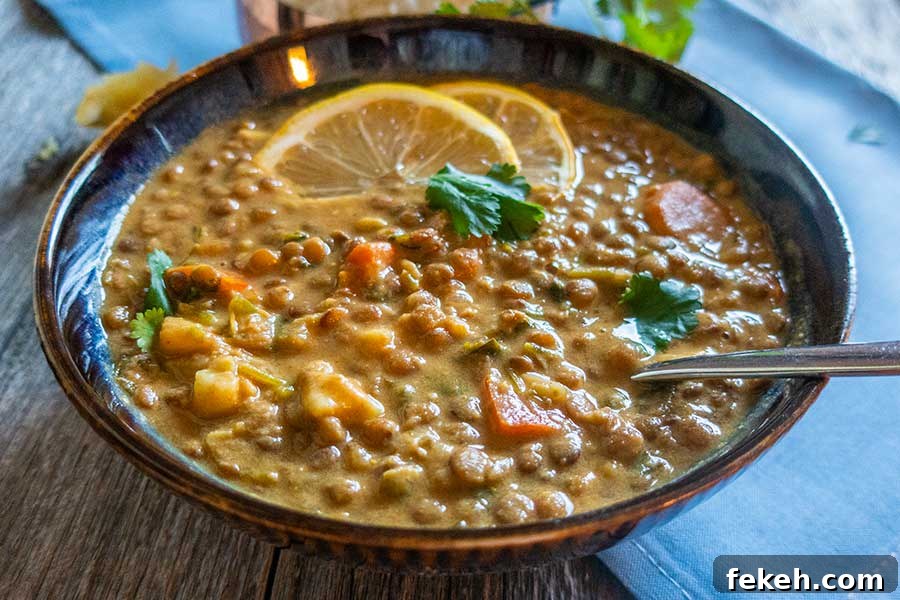
Phytates are most abundant in whole grains (oats, brown rice), legumes (lentils, chickpeas, kidney beans), nuts (almonds, walnuts) and seeds. Refined grains generally contain less phytate because processing removes some of the bran and germ where phytates concentrate. To reduce phytic acid content, soak, ferment or sprout these foods before cooking; these methods activate phytase enzymes that help break phytic acid down.
Potential benefits of lectin and phytate consumption
Although lectins and phytates are often labeled antinutrients, they are not universally harmful. Lectins can act as antioxidants and may reduce inflammation in some contexts. They can also promote satiety, which may help with weight management when consumed appropriately. Phytates have been researched for potential anti-cancer effects and for modest cholesterol-lowering properties. Whole grains and legumes, despite their phytate content, are also excellent sources of fiber, protein and other micronutrients that support gut health and overall nutrition.
Summary
Lectins and phytates are natural compounds in many plant foods that can affect nutrient absorption and digestive comfort in some people. However, they also carry potential health benefits. Using simple preparation techniques — soaking, sprouting, fermenting and pressure cooking — and eating a varied diet help minimize negative effects while preserving the nutritional advantages of whole grains, legumes, nuts and seeds. Pay attention to your body’s responses and adjust food choices and preparation methods accordingly to maintain a balanced, nutrient-rich gluten-free diet.
Disclaimer: This article is not intended to provide medical advice, diagnosis or treatment. Views expressed here do not necessarily reflect those of onlyglutenfreerecipes or its staff.
Let’s Connect!
Be sure to FOLLOW US on FACEBOOK or check us out on PINTEREST. And don’t forget to sign up for our newsletter — we always have something new and exciting for you!
Many thanks!
Kristina xx