Sponsored by
USA Pulses surveyed more than 360 school nutrition professionals about their use of beans, peas, lentils, and chickpeas/garbanzo beans (collectively called pulses) in school meal programs. The results show that pulses are widely embraced: roughly 98% of responding schools include them on the menu. Among common offerings, refried beans top the list, followed by baked beans and chili.
School nutrition teams value pulses for their nutrition and flexibility. Pulses commonly serve as a vegetable component, appear on salad bars, and are offered as a meat alternate. Notably, USDA guidance now allows pulses credited as a meat alternate to also count toward the weekly vegetable subgroup requirement for beans, peas, and lentils.
Delicious Nutritious Pulses
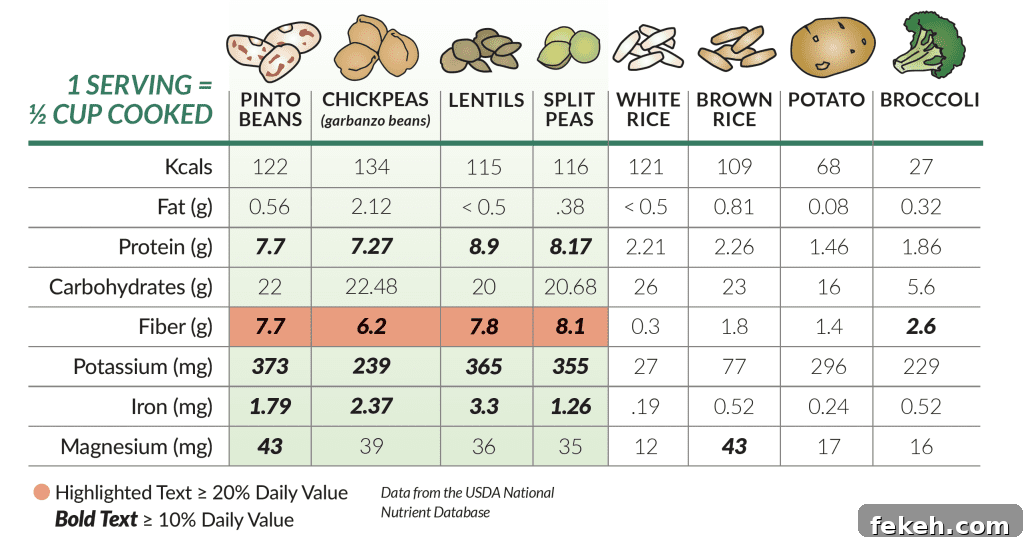
Most school nutrition professionals recognize that pulses are naturally gluten-free, high in protein, and a significant source of fiber. Many also know they contain no cholesterol. Including pulses on menus elevates the overall nutrition quality of meals served to students.
- Half a cup of pulses supplies about 6–8 grams of fiber, more than 20% of daily recommended intake for many students.
- A ½ cup serving can provide up to 9 grams of plant-based protein.
- Pulses contribute folate, potassium, vitamin E, choline, iron, and magnesium to the diet.
- They are naturally low in sodium and saturated fat and contain no cholesterol.
Pulses are Versatile in School Meals
Schools say “yes we can!” to pulses
Schools prepare pulses in many forms, with canned pulses being the most common choice. Many districts obtain pulses through USDA Foods programs. Black beans, chickpeas, refried beans, and pinto beans are among the most frequently used varieties.
Precooked dehydrated (instant) pulses expand menu options
About 44% of districts report purchasing instant pulses, which rehydrate quickly and return to their natural color and texture. These products are ideal for Mexican-style offerings such as tacos, beans and rice, burritos, quesadillas, chalupas, tostadas, enchiladas, refried beans, and vegetarian pizzas. They also work well in soups, stews, chilis, pasta salads, three-bean salads, dips, and hummus.
Pulse pasta can credit as a vegetable
Pasta made from 100% pulses may count toward the weekly ½ cup beans, peas, and lentils vegetable subgroup requirement, offering another way to incorporate pulses into reimbursable meals.
Flavor inspiration for pulses
Pulses pair well with beef, pork, poultry, fish, low-fat dairy, fruits, vegetables, and whole grains, helping meals meet nutrition and crediting standards. Consider hearty chili with beans, creamy lentil curry, split pea soup, or a bright chickpea salad. Pulse-based recipes are flavorful, satisfying, and nutritious. To maximize their benefits, try these approaches in your menu planning:
Replace some animal proteins with pulses
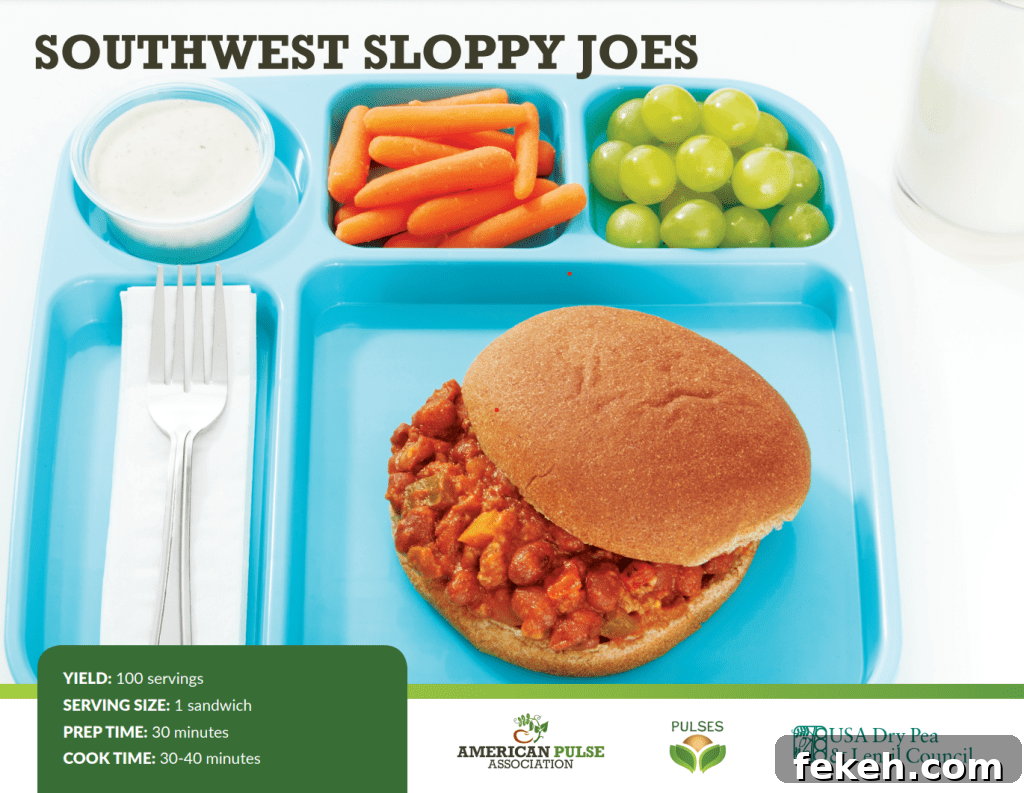
Reduce the amount of meat in mixed dishes and add pulses to boost fiber and nutrient density without sacrificing flavor. For example, blended recipes like Southwest Sloppy Joes combine pulses with meat to stretch budget and increase nutrition while remaining popular with students.
Swap refined grains for pulses
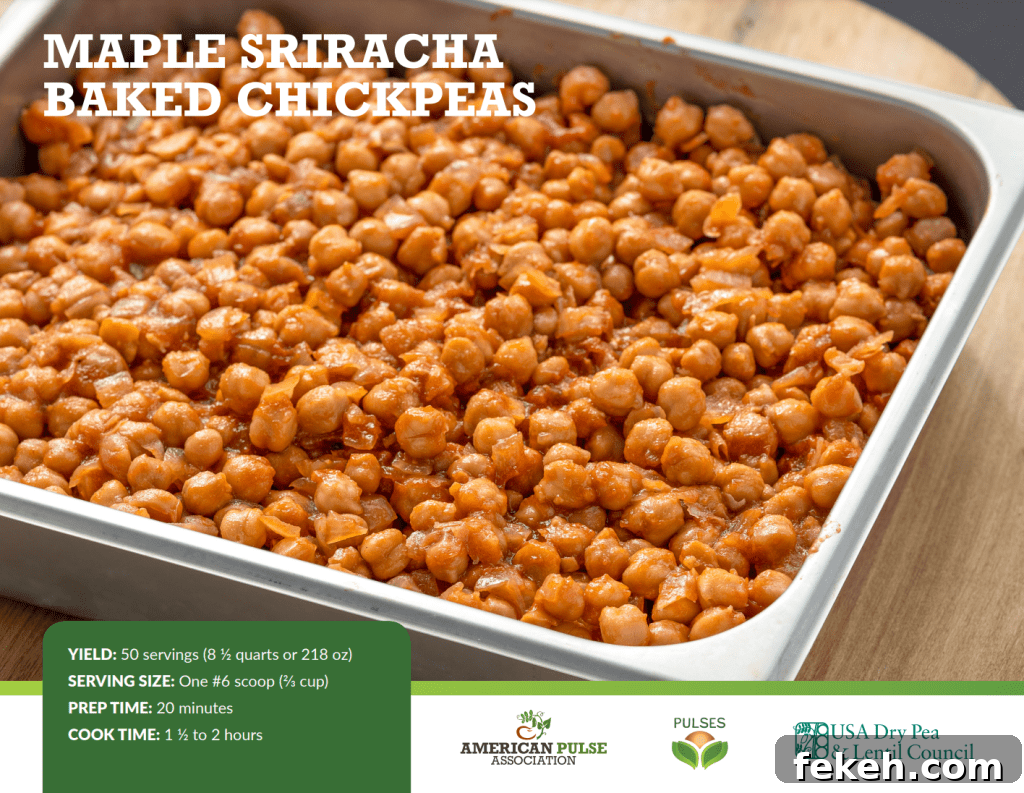
Replacing refined grains with pulses boosts protein, fiber, iron, and potassium. Consider offering roasted or seasoned chickpeas as an alternative to refined flour pasta salads to increase nutrient density and variety.
Use pulse flours in baking. Pulse-based flours generally have a lower glycemic index than many cereal flours, which can improve post-meal blood sugar response. Substituting bean, lentil, or chickpea flour in baked goods may support better blood sugar management and contribute to reduced risk of chronic disease when used as part of balanced menus.
Pulses Help Meet Student Special Dietary Needs
Pulses are well suited for special diet needs such as gluten-free and vegetarian offerings. Nutrition professionals report interest in pulse-based pastas and other products to accommodate students with dietary restrictions.
Because pulses are naturally gluten-free and rich in protein, districts are using pulse-based pastas and pizza crusts, hummus, and pulse-enhanced salads and wraps to meet special diet requirements.
Although pulse flours are not yet widely used in school kitchens, nearly two-thirds of professionals indicated they would consider pulse-based pasta to serve students on special diets.
Perception of Pulses Among School Districts
Student acceptance influences menu decisions, but plant-forward eating patterns are becoming more common in schools. Increasing exposure to pulse-based dishes helps build student preference and familiarity.
School nutrition teams benefit from incorporating pulses: they offer cost savings, appealing flavors, strong nutrition, and contribute to more sustainable meal programs.
Pulses for the Win
Recent reviews highlight pulses’ role in supporting health and preventing chronic disease. Poor dietary habits in adolescence are linked to obesity, insulin resistance, and elevated blood pressure that can persist into adulthood. Offering pulses, fruits, and vegetables as snacks and meal components for adolescents (ages 12–18) is associated with improved snack quality and overall diet quality.
Pulses are versatile and nutritious, an affordable source of protein, and they play an essential role in sustainable agriculture making them important in advancing nutrition security.
(Lisciani et al., 2024)
A variety of pulse-based recipes and resources for school meal programs are available from USA Pulses, including a School Nutrition ToolKit with practical guidance for incorporating pulses into cafeteria menus.
USA Pulses is a coalition of organizations promoting high-quality, nutrient-dense, regenerative, and affordable pulse foods. Through advocacy, research support, and policy engagement, USA Pulses raises awareness about the health, sustainability, and versatility of pulses.
Follow us on social media!



References
- Papanikolaou Y, Slavin J, Papanikolaou S, Fulgoni VL 3rd. Adding more beans to the US typical dietary pattern can lead to greater intake of shortfall nutrients and a higher diet quality in younger and older adults. Maturitas. 2024 Aug;186:108012. doi: 10.1016/j.maturitas.2024.108012. Epub 2024 Apr 30. PMID: 38705818.
- Agarwal S, Fulgoni VL III. Effect of Adding Pulses to Replace Protein Foods and Refined Grains in Healthy Dietary Patterns. Nutrients. 2023;15(20):4355. doi:10.3390/nu15204355.
- Naveed H, Sultan W, Awan KA, et al. Glycemic impact of cereal and legume-based bakery products: Implications for chronic disease management. Food Chem X. 2024 Nov 1;24:101959. doi: 10.1016/j.fochx.2024.101959.
- Zhao N, Jiao K, Chiu YH, Wallace TC. Pulse Consumption and Health Outcomes: A Scoping Review. Nutrients. 2024 May 9;16(10):1435. doi: 10.3390/nu16101435.
- Lien N, Lytle LA, Klepp KI. Stability in consumption of fruit, vegetables, and sugary foods in a cohort from age 14 to age 21. Prev Med. 2001 Sep;33(3):217-26. doi: 10.1006/pmed.2001.0874.
- McGill HC. Childhood nutrition and adult cardiovascular disease. Nutr Rev. 1997 Jan;55(1 Pt 2):S2-8.
- Dietz WH. Critical periods in childhood for the development of obesity. Am J Clin Nutr. 1994 May;59(5):955-9.
- Sisay BG, McNaughton SA, Lacy KE, Leech RM. Associations between the nutritional quality of snacks, overall diet quality and adiposity: findings from a nationally representative study of Australian adolescents. Br J Nutr. 2024;132(4):1-10.
- Lisciani S, Marconi S, Le Donne C, et al. Legumes and common beans in sustainable diets: nutritional quality, environmental benefits, spread and use in food preparations. Front Nutr. 2024 May 6;11:1385232. doi: 10.3389/fnut.2024.1385232.