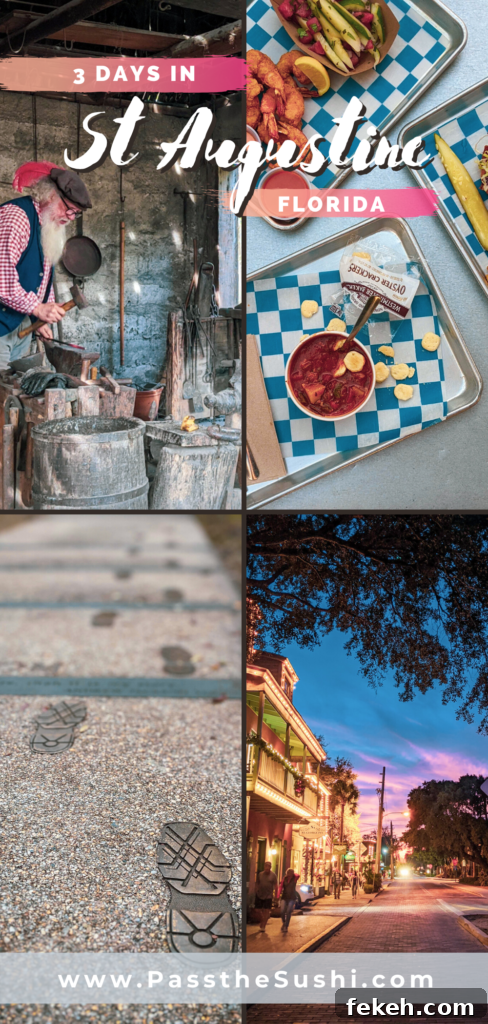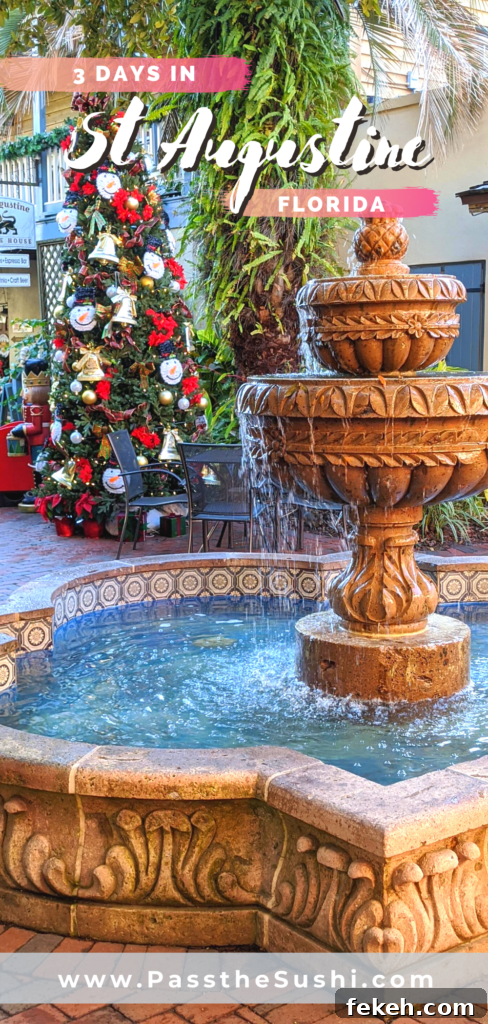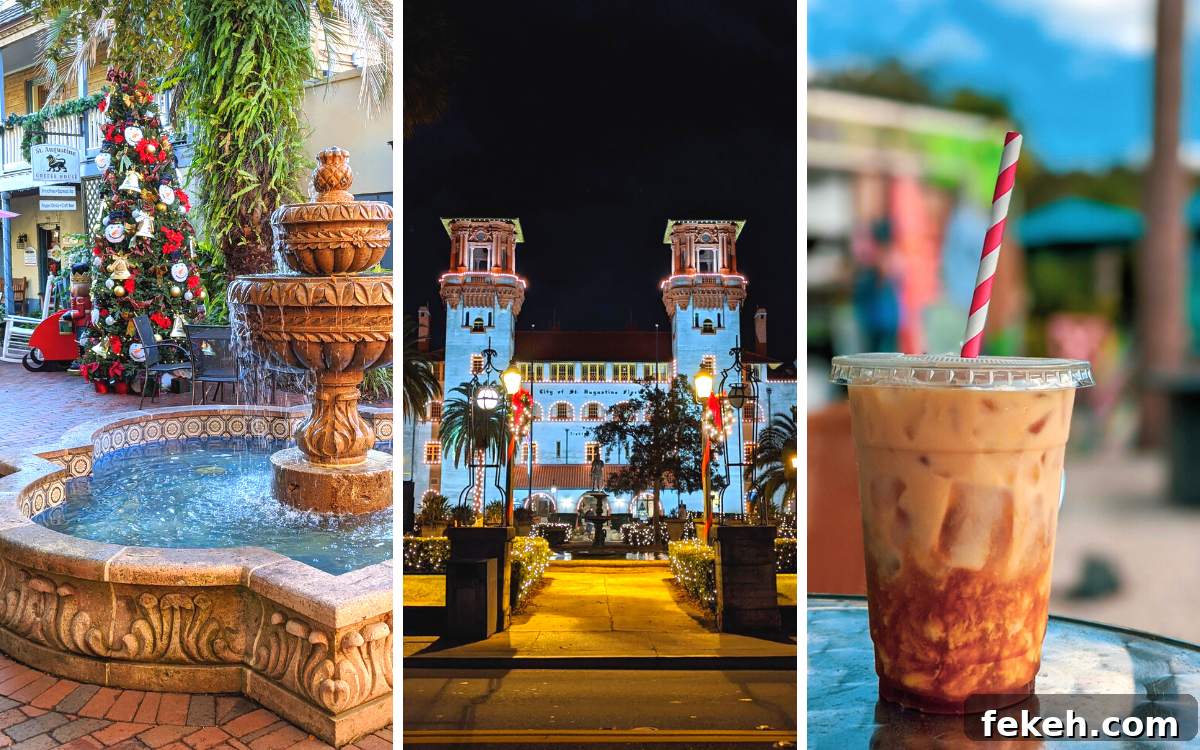
St. Augustine blends deep history, vibrant culture, and delicious food into a small city that’s welcoming, romantic, and a touch magical. Walking its streets feels like stepping into an old European town while enjoying modern dining and lively local life. I fell for its charm immediately, and this three-day itinerary focuses on food, adventure, and the city’s storied past for travelers who want more than a casual stroll.
I am grateful to St Augustine Historic Florida Coast for my time exploring the historic city. Thoughts and opinions are my own.
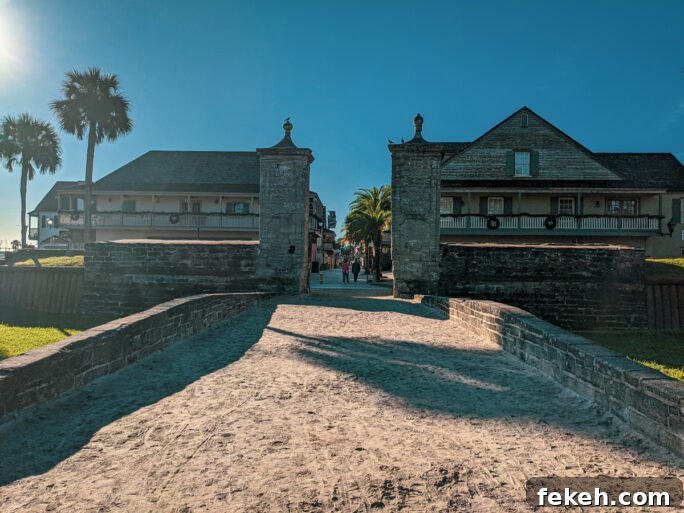
Established in 1565 along the Matanzas River, St. Augustine is America’s oldest continuously occupied city and reads like a living museum. Its architecture and streets reflect centuries of Spanish, Minorcan, African American, and American influences. In under a four-mile walk through downtown you can witness buildings and monuments that tell tales of colonial clashes, maritime raids, and later cultural movements that shaped the region.
Today the city is carefully preserved, with beautiful beaches and numerous historic landmarks—ideal for a weekend escape. This guide outlines a three-day St. Augustine itinerary packed with food, history, and outdoor adventures.
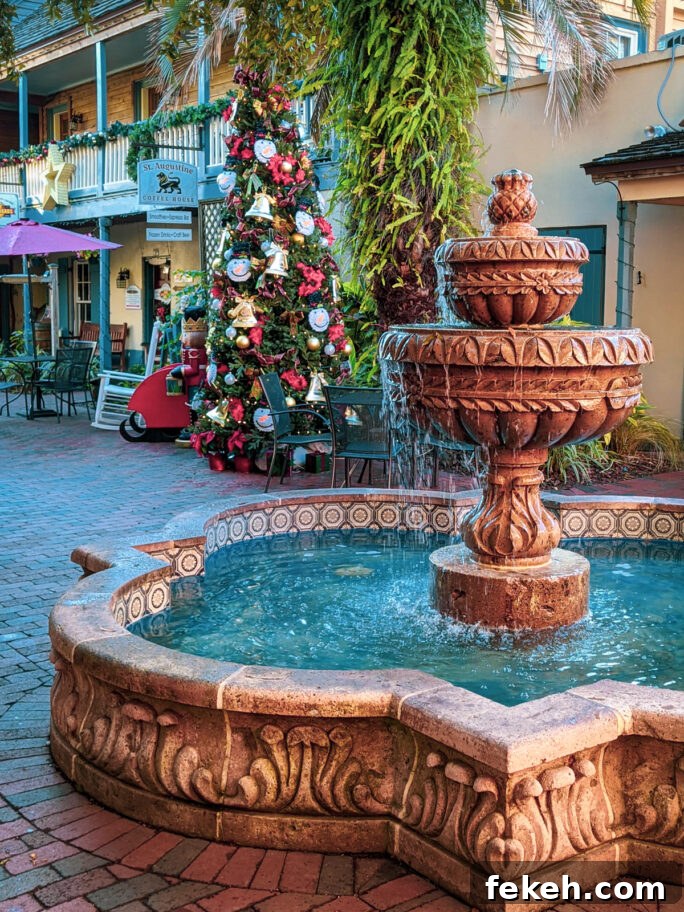
From narrow brick streets and shaded courtyards to passionate local entrepreneurs running cafés, shops, and inns, St. Augustine feels both historic and alive. Shopkeepers, chefs, and innkeepers celebrate the city’s past while offering modern experiences—resulting in a destination that’s both tourist-friendly and authentic.
I aimed to see as much as possible during a short visit. There’s far more to explore than can fit in three days, which is a good reason to return—especially if you love history, food, and seaside charm.
History and Fun Facts
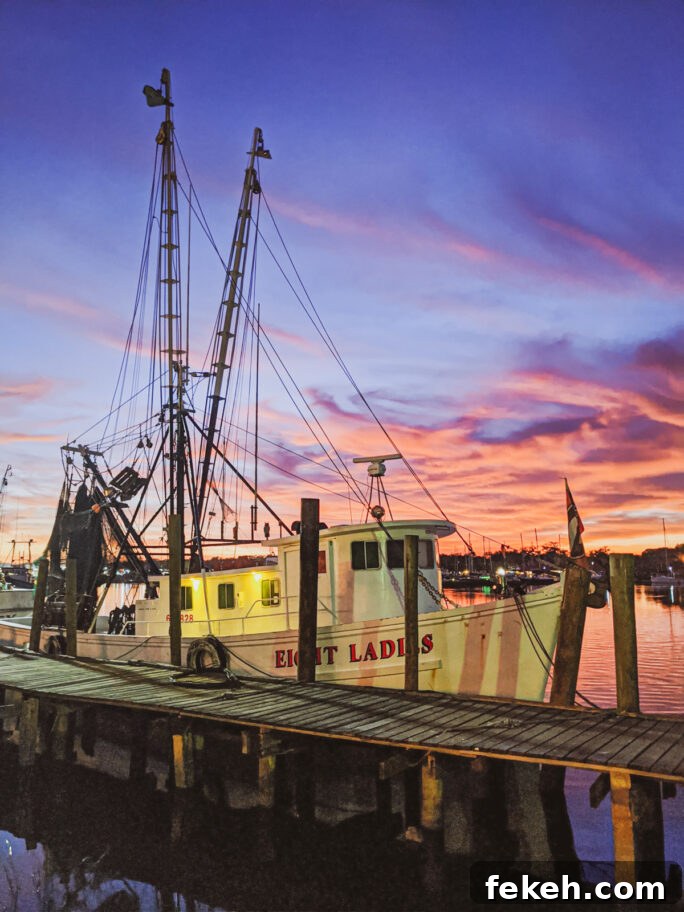
Founded by Spanish explorers in 1565, St. Augustine has a long history marked by colonial conflict, pirate attacks, and strategic military importance. The city also holds a deep African American history—home to early free Black settlements like Fort Mose and an important site during the Civil Rights Movement. Minorcan immigrants from the Mediterranean region contributed to local culture and cuisine, and their influence remains in modern eateries.
The city’s transformation into a tourism hub began in the late 19th century when industrialist Henry Flagler built extravagant hotels that drew wealthy winter visitors. Over time St. Augustine became a destination for art, literature, and preservation, hosting writers and creating spaces that honor its multicultural heritage.
When To Visit
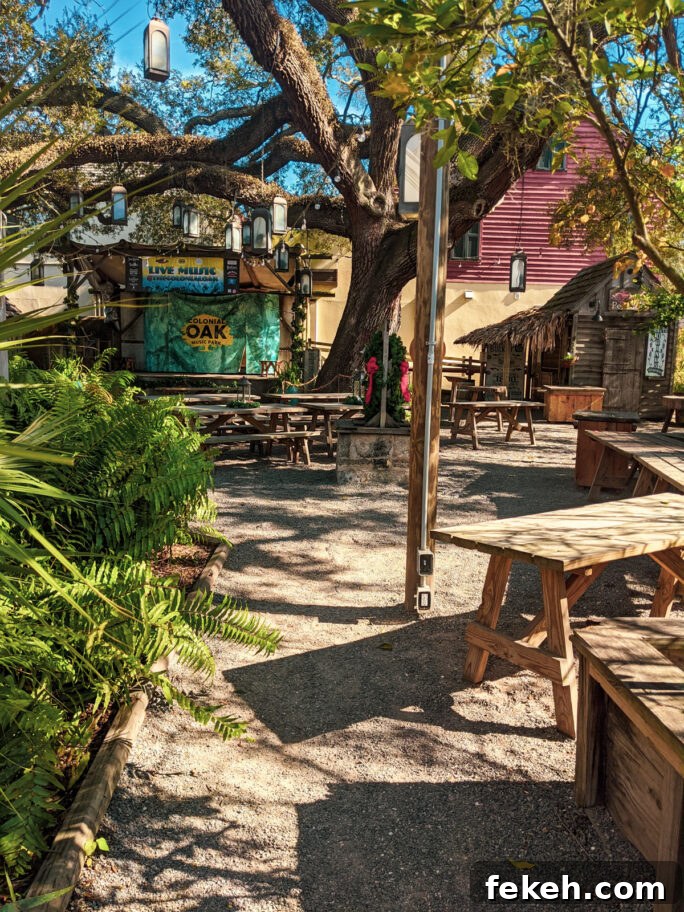
St. Augustine is enjoyable year-round, but the cooler months from September through May are the most comfortable for exploring. The city hosts seasonal festivals such as the Sing Out Loud music festival in September and the spectacular Nights of Lights from December through January—both excellent reasons to plan a visit.
Where to Stay
Accommodations range from grand historic resorts like Casa Monica Resort and Spa to cozy inns and campgrounds for RV or tent travelers. I stayed in a remodeled suite at the St. George Inn, within walking distance of Castillo de San Marcos and the Bridge of Lions. The inn offers continental breakfast, a wine bar in the evening, and rooms above charming courtyards.
Rooms at the property are comfortable and well-equipped with amenities such as TVs, mini-fridges, and coffee makers. Rates vary by season—check availability and special offers when planning your trip.
How to Get to St. Augustine and Getting Around
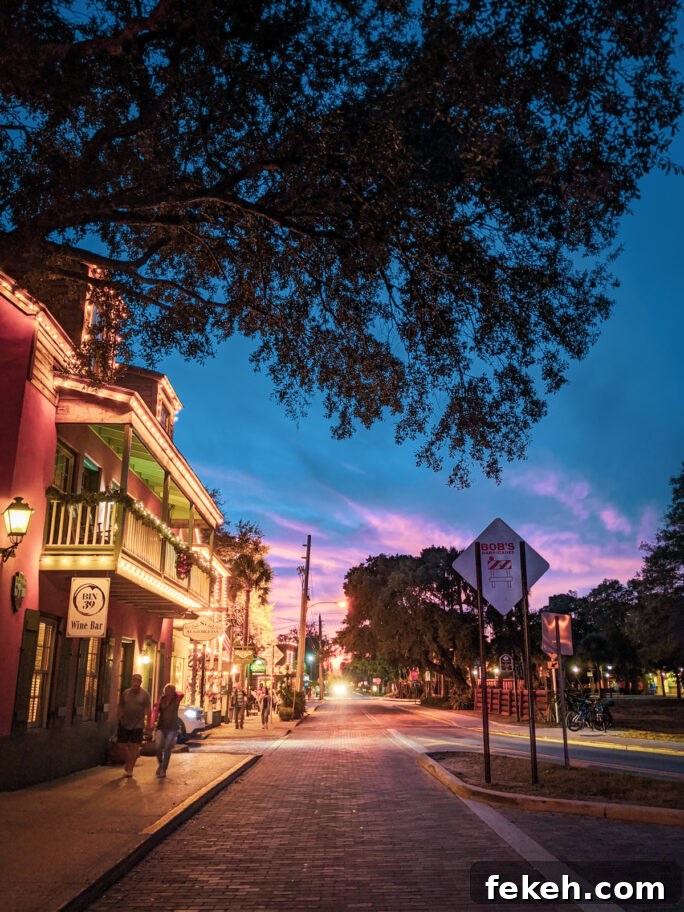
The nearest major airport is Jacksonville, about an hour’s drive away. From central Florida or Orlando, St. Augustine is just under two hours via I-95. The historic downtown is exceptionally walkable, with waterfront paths and compact streets that make walking the easiest way to explore. Brick streets can be uneven, so wear comfortable shoes if you have ankle concerns.
For beaches, the lighthouse, or nearby parks you’ll want a car, though there is a trolley that connects the beaches with town if you prefer not to drive.
3 Days in St. Augustine — Itinerary: Food, History & Adventure
Day 1
Check in, get oriented, and take a full loop on the Old Town Trolley to learn the highlights and decide where to return. The drivers share concise historical stories and fun facts, and the hop-on, hop-off stops let you explore at your own pace.

Lunch
Have lunch on St. George Street at St. Augustine Seafood Company for fresh, local seafood—clam chowder, fried fish sandwiches, and shrimp with a datil pepper dipping sauce are standout options. The restaurant sits right in the heart of the action.
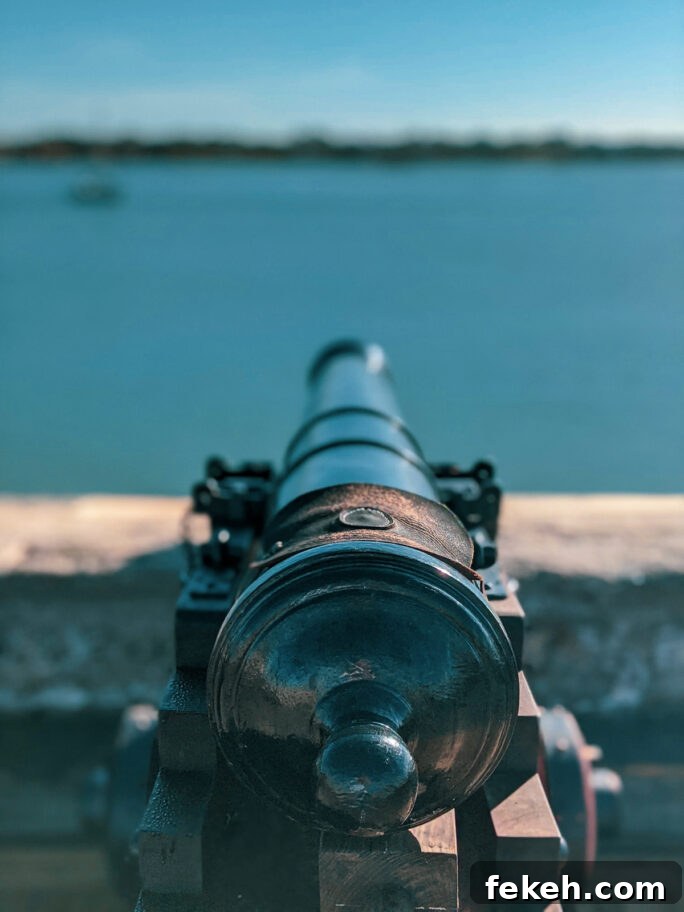
After lunch, visit the Colonial Quarter for an engaging look at the city’s past—sometimes with hands-on experiences and demonstrations. If available, the cannon firing demonstration is memorable and educational.

Tip: Visiting the Colonial Quarter before lunch can earn discounts at select nearby restaurants.
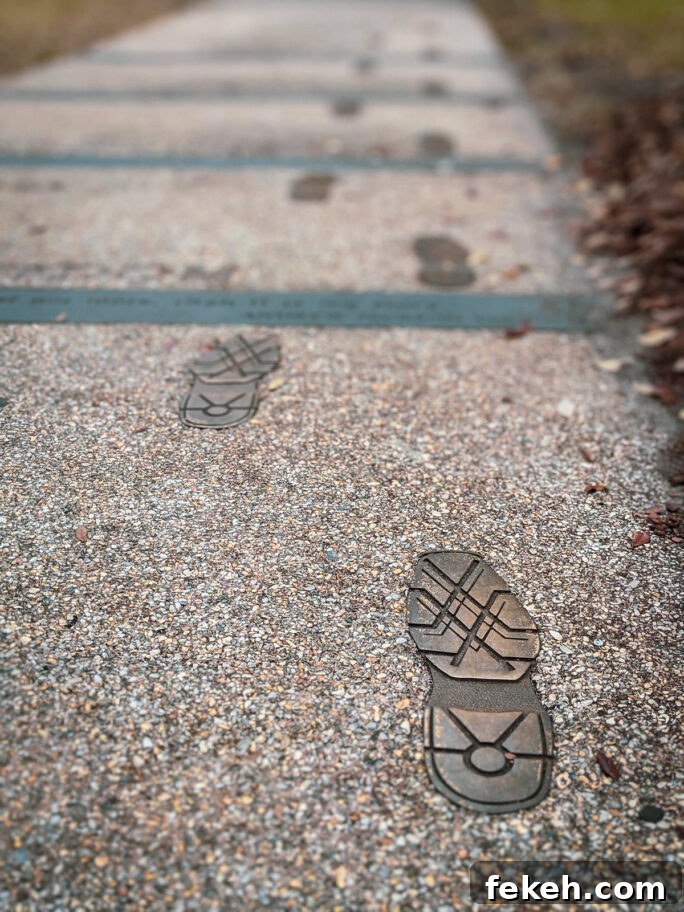
While on St. George Street, stop at the St. Photios Greek Orthodox National Shrine, then explore the Andrew Young memorial and the Lincolnville Museum to learn about local civil rights history and the community’s cultural legacy.
Dinner
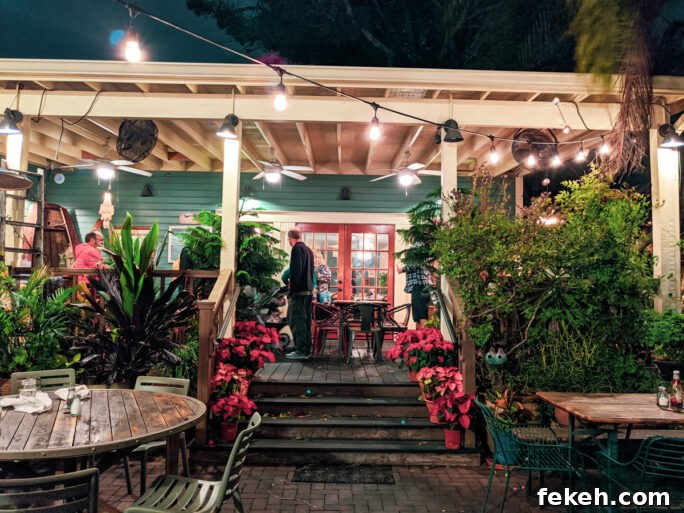
Dine at La Floridian for creative Southern-inspired dishes with vegetarian and vegan options. The cocktails and desserts are highlights—arrive early or expect a wait, as this popular spot fills up fast.
Day 2
Start the day with a higher-adrenaline experience at the Alligator Farm’s ropes-and-zipline course. The aerial course runs above alligators and crocodiles and offers close-up views of exotic birds and lemurs—safety-trained staff supervise every section. Phones and loose cameras are not allowed; bring a secured action camera if you want footage.

For lunch, visit the Village Garden Food Truck Park, where rotating vendors serve everything from bowls to barbecue and fresh coffee. The lineup changes, so you’ll likely discover something new and delicious.

Spend the afternoon at Anastasia State Park for beaches, trails, and kayak rentals. The park offers pristine sand, coastal dunes, and opportunities to spot local wildlife. Facilities include restrooms and rinse stations to clean off sand before you leave.
Dinner
Enjoy a seafood-focused dinner at Catch 27, where locally sourced ingredients and inventive preparations highlight Florida’s coastal flavors. The patio and indoor seating both provide a pleasant evening atmosphere. After dinner, consider a pedi-cab ride from Pineapple Tours to explore the downtown nightlife.
Day 3
Visit two national park sites: Castillo de San Marcos National Monument and Fort Matanzas National Monument. Castillo de San Marcos sits on the Matanzas Bay and offers paid entry to explore the fort’s rooms, exhibits, and ramparts with views over the water. Daily reenactments help bring the fort’s history to life.
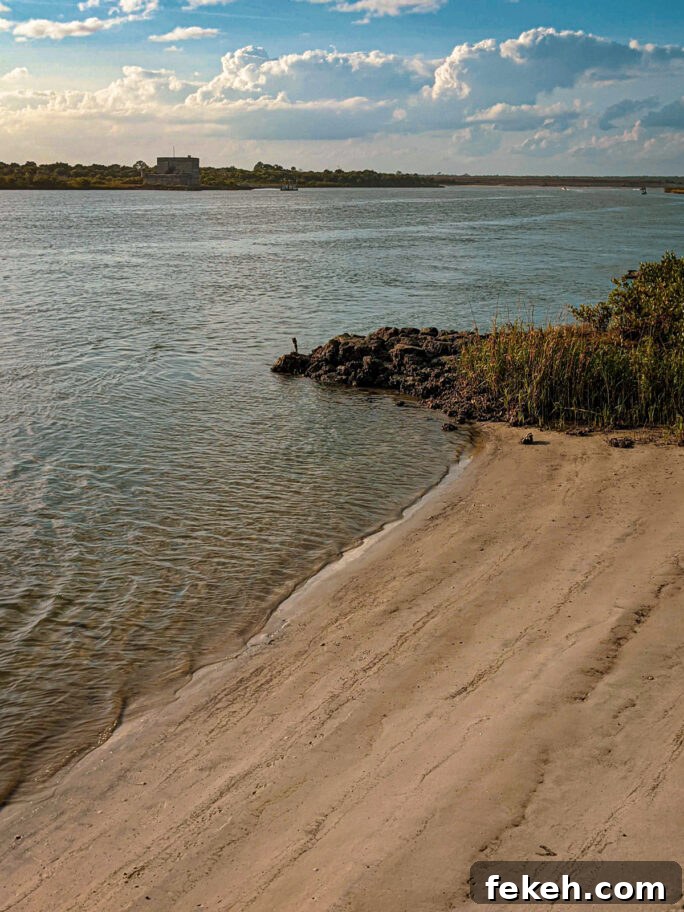
Fort Matanzas is a short drive away and reached by a free ferry (Wednesday through Sunday) that takes visitors to the island fort built in 1742. The site includes a short visitor center, a video presentation, and picnic areas.
For extra exploration, consider stopping at Fort Caroline in the Timucuan Ecological & Historic Preserve if your schedule allows.
Lunch
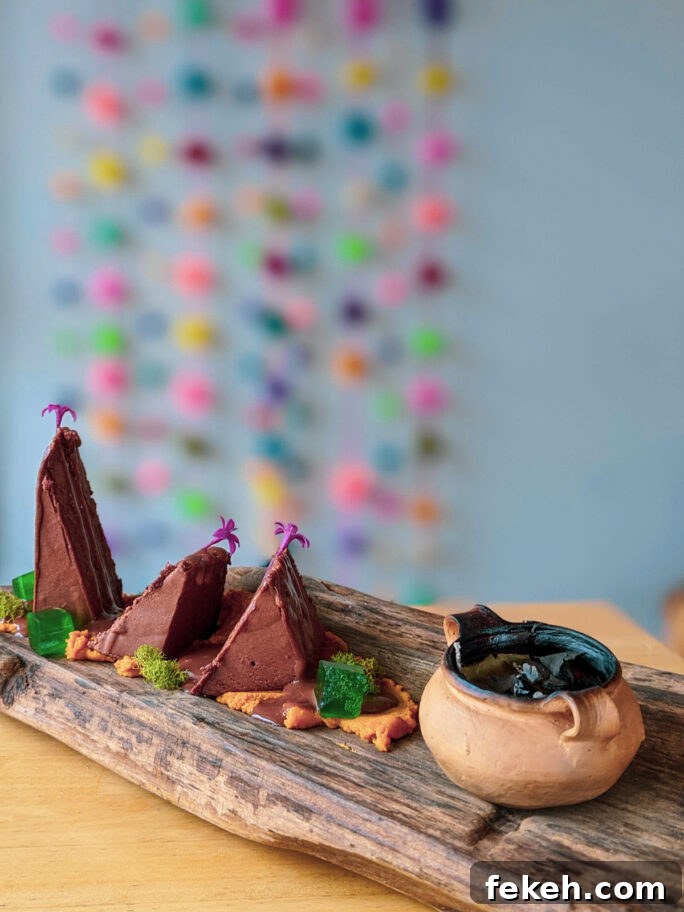
Try Peruvian flavors at Llama, a refined spot serving inventive dishes and fresh juices with careful attention to presentation and flavor. The menu changes frequently—ask about daily specials.
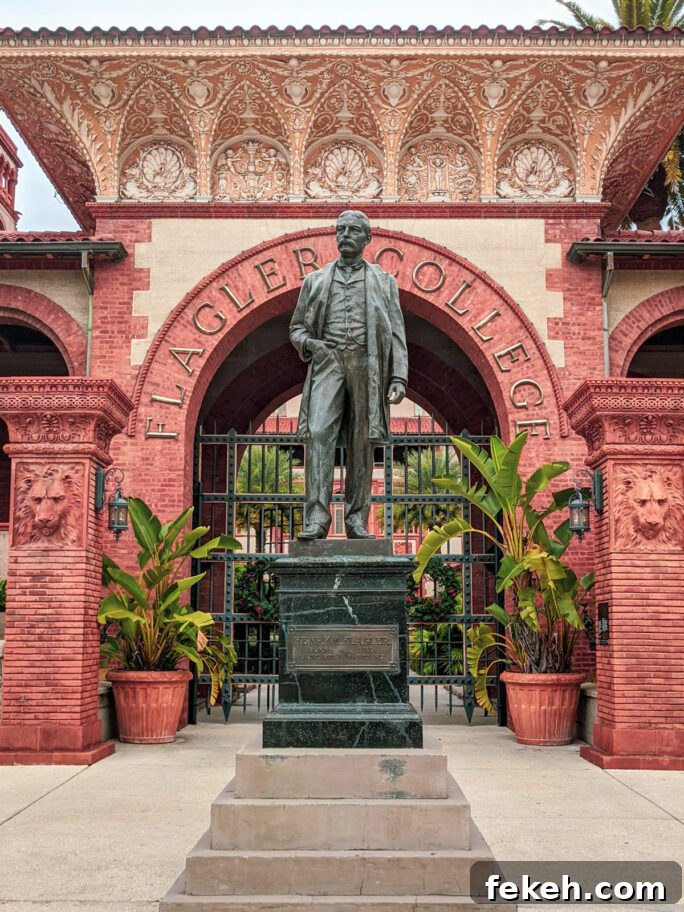
Tour Flagler College (formerly the Ponce de Leon Hotel) to see opulent architecture and hear stories about Henry Flagler’s impact on the city. The guided tour led by a student provides architectural insight and historical context.
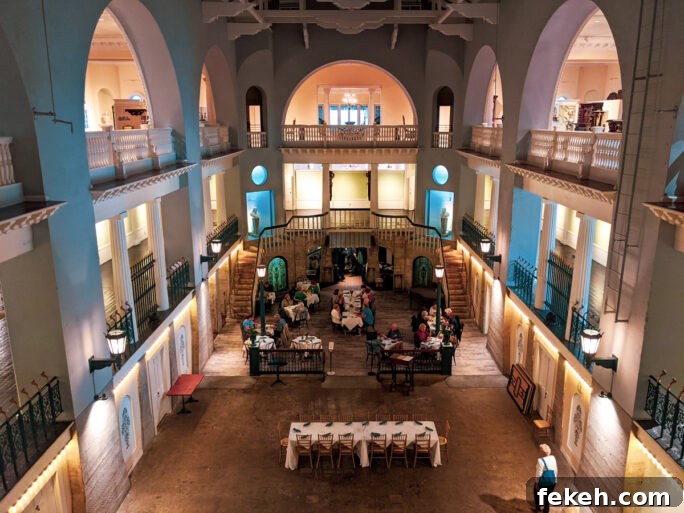
Visit the Lightner Museum across the street for an eclectic collection of 19th-century art and artifacts housed in another grand Flagler-era building. The former indoor pool now houses a café, and the museum is a leisurely self-guided experience.
Dinner
Finish your trip with dinner at the Raintree, a longtime local favorite known for classic, well-executed dishes and a romantic atmosphere. Save room for their decadent crepes—an indulgent finale to your visit.

Tip from the Locals
Visit the Saint Augustine Amphitheatre farmers market on Saturdays for local produce, artisan goods, food trucks, and live music. For special dining experiences, look for pop-up or open-fire dinners from local chefs and pop-ups like Urban Asado and Asado Life for memorable meals cooked over flames.
What to Pack
Weather can vary, so pack for comfort and flexibility:
- Light jacket or sweater
- Sandals
- Umbrella or rain jacket
- Comfortable walking shoes
- Nice slacks or a dress for dinner
- Casual beachwear
- Swimsuit
- Closed-toed shoes if planning the ropes/zipline course
Ready to Plan a Trip to St. Augustine?
St. Augustine offers a compact, walkable mix of history, cuisine, and outdoor activities that reward curious travelers. Whether you come for the festivals, the architecture, or the beach, this itinerary highlights key experiences to enjoy over three days while leaving room to explore more on a future visit.