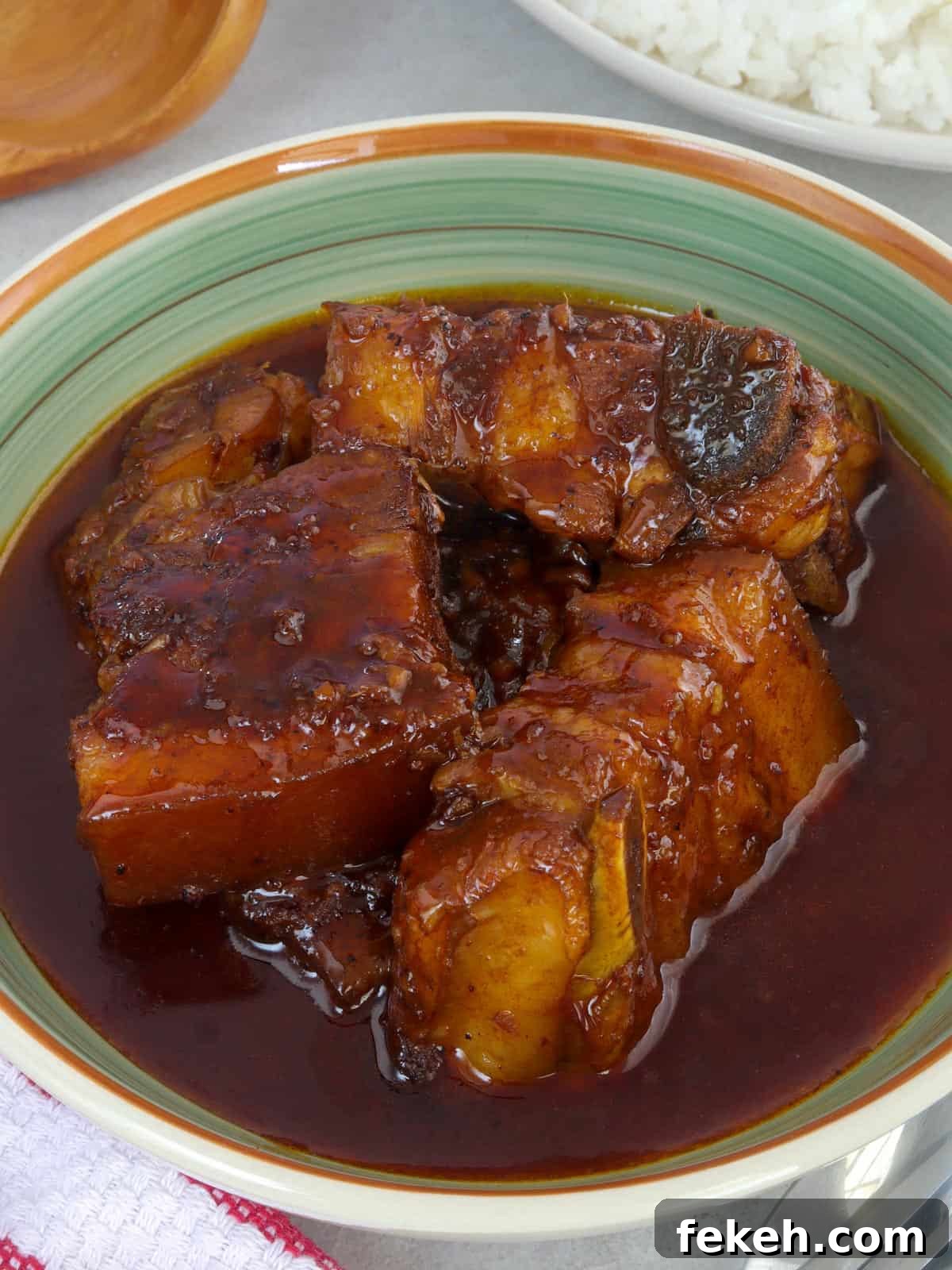
Pork Ribs Adobo with Atsuete is a flavorful regional take on the classic Filipino stew. This Ilonggo-style adobong pula features minced ginger and annatto (atsuete) for a vibrant color and layered taste. It’s simple to prepare and pairs perfectly with steamed rice.
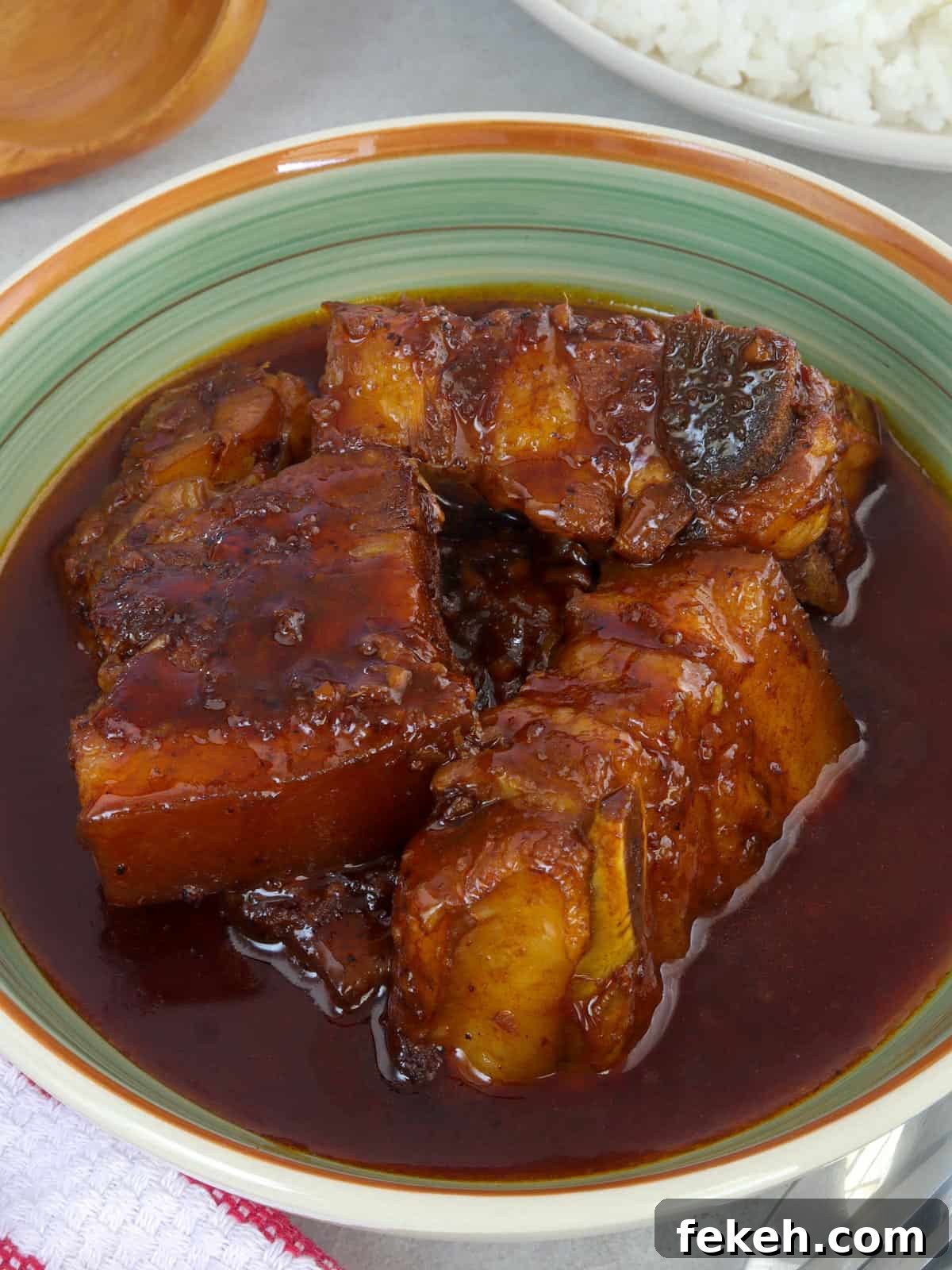
Adobo—whether chicken or pork—is one of the Philippines’ most beloved dishes and is often considered the national dish. Every household and region has its own variation, and adobong pula is the Ilonggo version that brightens the familiar garlic-vinegar-soy base with ginger and annatto. The technique is the familiar braise used for pork adobo: a brief sear followed by slow simmering until the meat is tender and the sauce concentrates.
Ingredient notes
This adobo highlights ginger and atsuete alongside the usual aromatics, resulting in a dish with distinct warmth and a reddish hue.
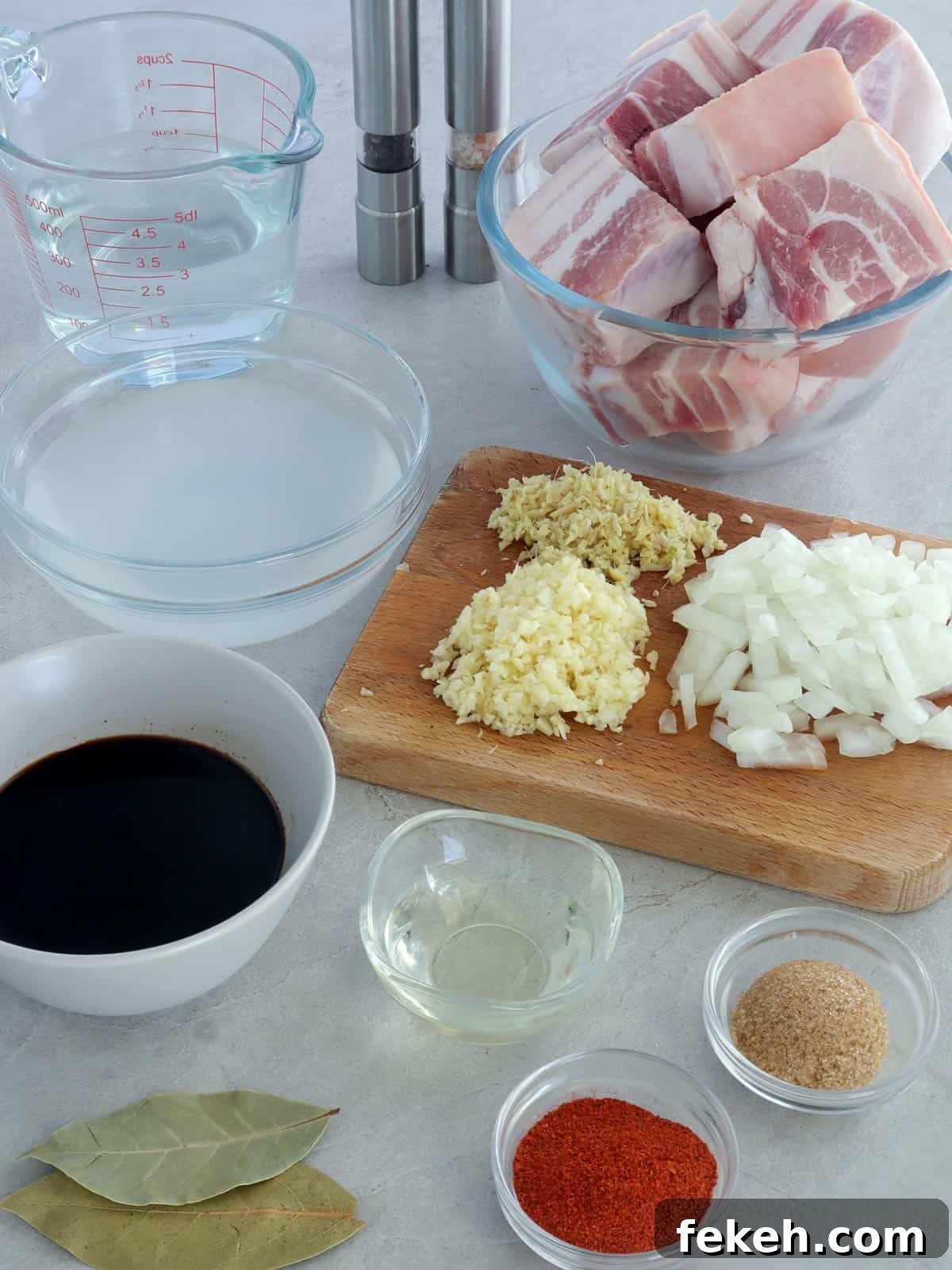
- Pork – Pork belly with ribs gives a rich result, but Boston butt, picnic, or spare ribs work well too.
- Vinegar – Palm vinegar is common in Filipino cooking; if using distilled white vinegar, taste and adjust the amount since it’s sharper.
- Soy sauce – Contributes savory depth. Traditional Ilonggo adobo sometimes uses salt instead, so you can adjust according to preference.
- Aromatics – Onion, garlic, and bay leaves build the stew’s base flavor.
- Ginger – Fresh minced ginger adds warmth and slight pepperiness.
- Atsuete (annatto) – Provides natural color and a hint of earthiness; use it sparingly to avoid bitterness.
- Brown sugar – A small amount added near the end balances the tang and rounds the sauce.
Pork Ribs Adobo with Atsuete cooking steps
Below is a concise overview of the cooking process. Follow the recipe card for exact quantities and full instructions.
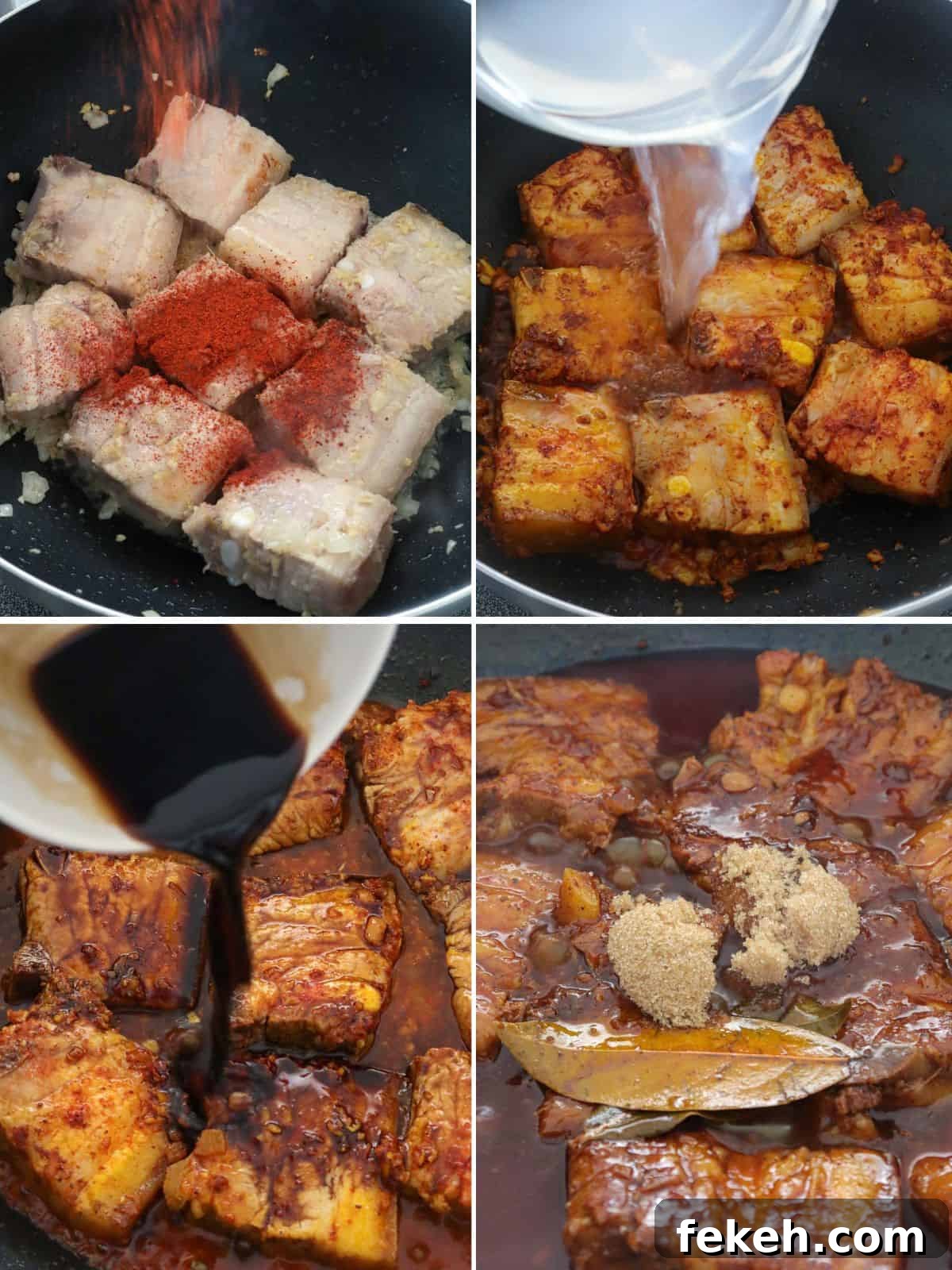
- Sauté the onion, garlic, and ginger in hot oil until fragrant and softened.
- Brown the pork to develop flavor. Pat pieces dry so they sear rather than steam; work in batches if needed to avoid overcrowding.
- Coat with atsuete by sprinkling the annatto powder and stirring until the meat takes on an even, reddish color.
- Add vinegar and bring to a boil uncovered. Do not stir for a few minutes—this helps to mellow the vinegar’s sharpness.
- Add soy sauce and water, return to a boil, and skim any scum that rises. Add bay leaves.
- Simmer gently: lower the heat, cover, and cook until the pork is fork-tender and the sauce has reduced and concentrated.
- Finish with brown sugar to balance acidity, then season with salt and pepper to taste.
Cooking tips
- Cut pork into uniform pieces so everything cooks evenly.
- Because the sauce intensifies as it reduces, taste and add salt near the end of cooking to avoid over-seasoning early on.
Frequently Asked Questions
Why do you put vinegar last in adobo?
Some cooks add vinegar late, but in this method vinegar is added early and boiled uncovered for several minutes to cook off raw acidity, producing a more balanced, mellow flavor.
What is the most important ingredient in adobo?
Vinegar is essential for adobo’s tang and preserving quality, but soy sauce, aromatics, and regional additions like atsuete and ginger also shape the final taste. A touch of brown sugar can round out flavors as well.
Serving suggestions
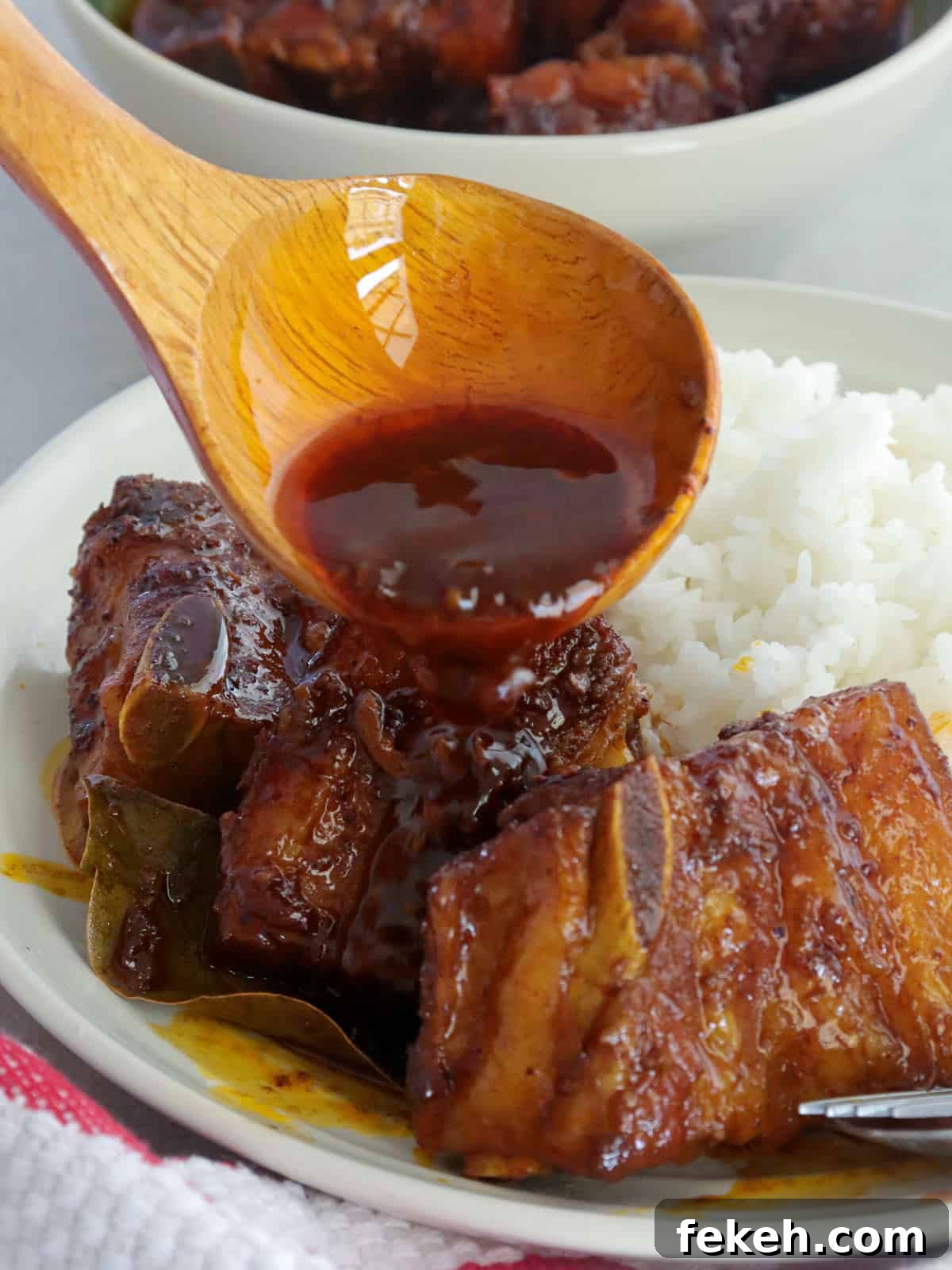
This adobong pula is best served with steamed rice to soak up the sauce. Bright, pickled sides—like atchara, green mango, or quick-pickled cucumbers—provide a tangy contrast that cuts through the richness.
Storing leftovers
- Adobo stores well. Keep leftovers in an airtight container in the refrigerator for up to 3 days or freeze for up to 2 months.
- Reheat on the stovetop until steaming hot (internal temperature 165°F) or warm in the microwave in short intervals, stirring to ensure even heating.
- For variety, try other Filipino adobo styles like adobong dilaw (with turmeric) to explore different flavor profiles.
More pork recipes
Pork Spareribs Macao-style Asado
Pineapple Pork Ribs
Baby Back Ribs with Adobo Glaze
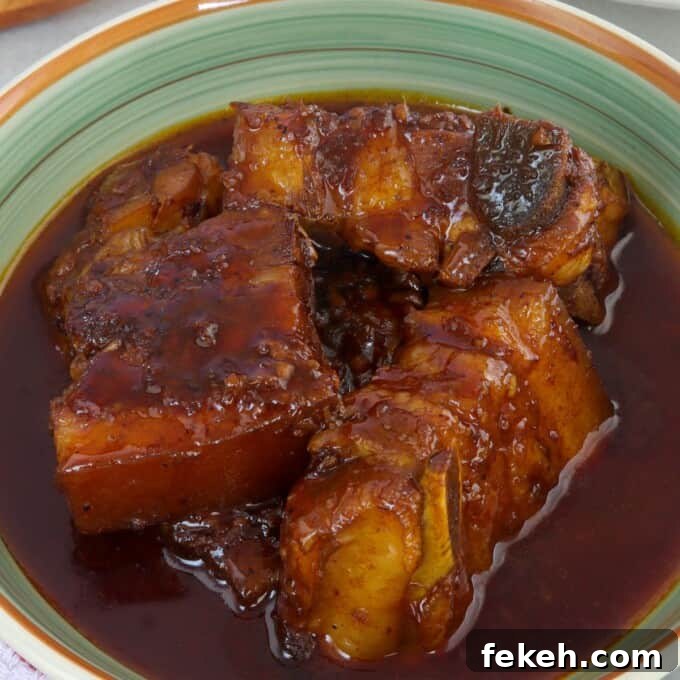
Pork Ribs Adobo with Atsuete
Ingredients
- 2 pounds pork belly with ribs or spare ribs, cut into 2-inch pieces
- 1 tablespoon canola oil
- 1 onion, peeled and chopped
- 6 cloves garlic, peeled and minced
- 1 thumb-sized ginger, peeled and minced
- 1 tablespoon atsuete powder
- 1 cup vinegar
- 1/2 cup soy sauce
- 1 cup water
- 2 bay leaves
- 1 tablespoon brown sugar
- Salt and pepper to taste
Instructions
- In a wide pot over medium heat, warm the oil. Add onion, garlic, and ginger and cook, stirring often, until softened.
- Add the pork ribs and brown for 3 to 5 minutes, until lightly seared.
- Sprinkle the atsuete powder and stir so the meat is evenly colored.
- Pour in the vinegar and bring to a boil. Keep the pot uncovered and do not stir for 3 to 5 minutes to tame the vinegar’s sharpness.
- Add soy sauce and water. Bring back to a boil and skim any scum that rises to the surface.
- Add bay leaves.
- Reduce heat, cover, and simmer for 40 to 50 minutes, or until the meat is fork-tender and the sauce reaches your preferred consistency.
- Stir in the brown sugar to balance flavors.
- Season with salt and pepper to taste. Serve hot with steamed rice.
Notes
- Pat pork pieces dry before browning so they sear rather than steam. Work in batches if necessary to avoid overcrowding the pan.
- Boiling the vinegar briefly without stirring helps mellow its raw bite before adding soy sauce and water.
- Taste and adjust salt toward the end of cooking because reduction intensifies flavors.
Video
Nutrition Information
, Carbohydrates: 9g
, Protein: 39g
, Fat: 57g