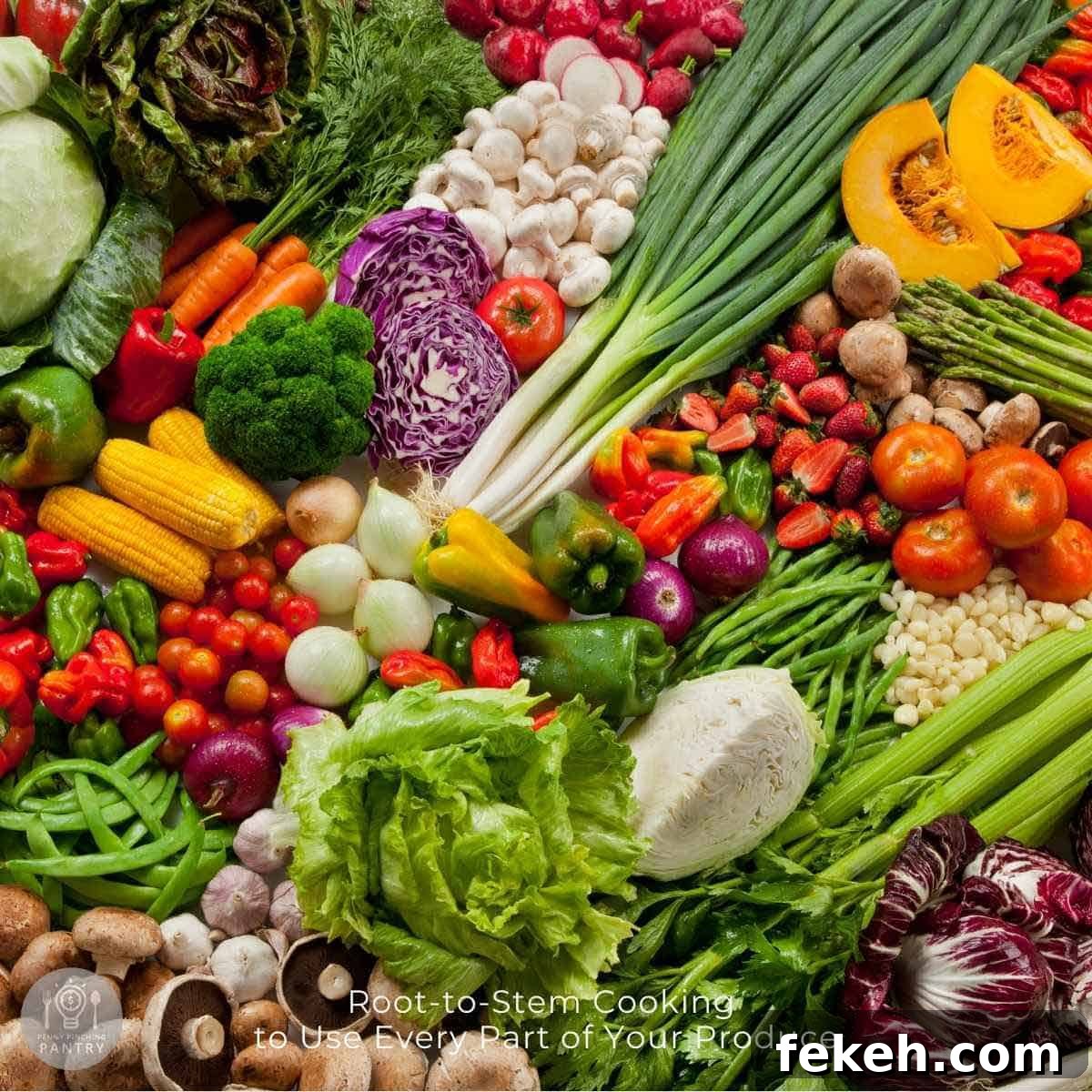
If you’ve ever tossed carrot tops, broccoli stems, or beet greens straight into the trash, you’re not alone.
Most of us were taught to use only the familiar parts of produce and discard the rest. But those scraps add up quickly, especially as grocery prices rise.
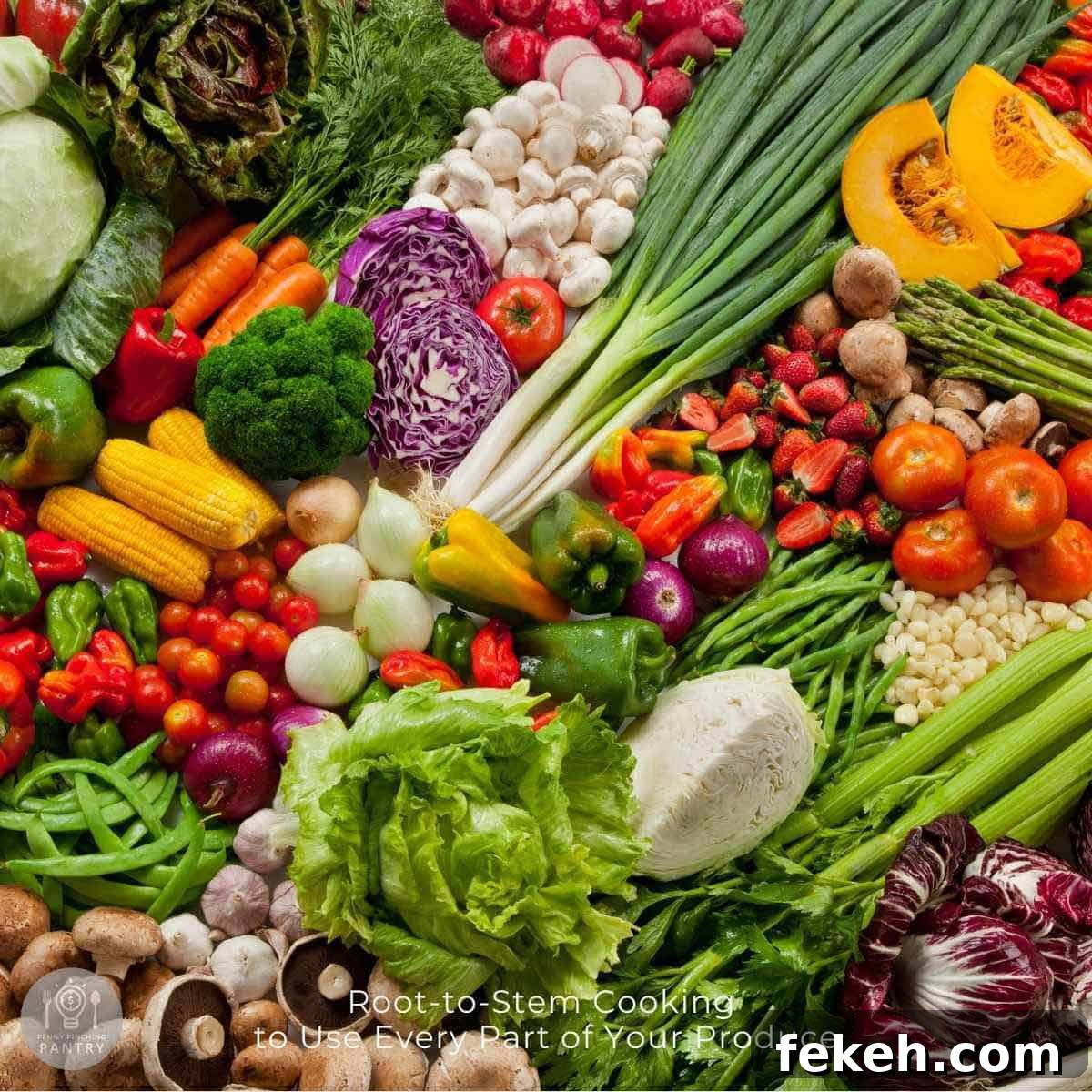
Root-to-stem cooking changes that pattern. It’s an easy way to stretch your grocery budget, cut food waste, and get more meals from the produce you already buy.
Even better, many of those overlooked parts are just as tasty and nutritious as the ones we usually keep.
[feast_advanced_jump_to]
What root-to-stem cooking really means
Root-to-stem cooking is exactly what it sounds like: using as much of a fruit or vegetable as possible, from leafy tops to firm stems and everything in between. It isn’t about complicated techniques or exotic recipes. It’s about being intentional in the kitchen and getting creative with what you already have.
Once you adopt this mindset, you’ll notice how many useful ingredients you’ve been throwing away without realizing their potential.
When you use more of each vegetable, you stretch your grocery budget without buying anything extra.
Vegetable tops that deserve a second look
Leafy tops that often get discarded are frequently the most nutritious and can be very versatile.
Carrot tops blend into a bright pesto, add herb-like freshness to soups, or can be chopped into salads. Beet greens sauté nicely with garlic and olive oil or pair well with pasta and grains. Radish greens bring a pleasant peppery note to quick sautés or blended sauces.
If the greens look fresh and vibrant, they’re usually worth keeping.
Stems and cores you can absolutely eat
Stems often get overlooked, but many are tender and flavorful when prepared properly.
Broccoli stems, once peeled and sliced, roast well, shred into slaws, or add texture to stir-fries. Cauliflower cores can be chopped for soups or roasted with the florets. Swiss chard stems are excellent sautéed and mixed into eggs or grain bowls.
The trick is cutting stems smaller and cooking them a bit longer so they become tender and delicious.
If you have extra stems or greens, chop them and stir them into cozy dishes like mac and cheese, where extra veggies blend in without extra effort.
Peels, scraps, and odds and ends
Not all peels belong in the compost. Potato peels can be tossed with oil and roasted into crispy snacks. Apple peels are excellent simmered into applesauce or folded into muffins. Save onion skins, carrot tops, and other trimmings in a freezer bag to make homemade vegetable stock later.
Leftover greens, mushroom stems, or random veggie bits work well in quick meals like quesadillas, frittatas, or grain bowls—great ways to use what’s already in your fridge.
Citrus peels can be zested and frozen for baking or simmered to freshen the kitchen aroma.
Kristin’s Kitchen Tip
If you’re not ready to use scraps immediately, keep a labeled freezer bag just for root-to-stem leftovers. Toss in stems, peels, and trimmings as you cook, then use the whole bag later for soup, stock, or a veggie-packed skillet meal.
Easy ways to start root-to-stem cooking
You don’t need to change everything at once. Pick one or two vegetables you buy often and experiment with using more of them.
Save broccoli stems for soup, add beet greens to pasta, or freeze a bag of scraps for stock. Small habits add up quickly and make a noticeable difference over time.
How root-to-stem cooking saves money
Using every part of your produce helps you get more meals from the same grocery haul. That means fewer emergency trips to the store, less food waste, and better value from every dollar you spend.
Root-to-stem cooking also promotes flexible, creative cooking—handy on busy weeknights. Odds and ends can become soups, skillet dinners, or quick sides, making dinner easier and less expensive.
This approach pairs well with blanching and freezing extras so you can make the most of produce before it spoils. Root-to-stem cooking isn’t about perfection or forcing yourself to use every scrap; it’s about being mindful, saving money, and discovering new flavors and textures in everyday ingredients.
Thanks for reading! Follow along on social channels to keep up with kitchen ideas and tips. Happy saving!