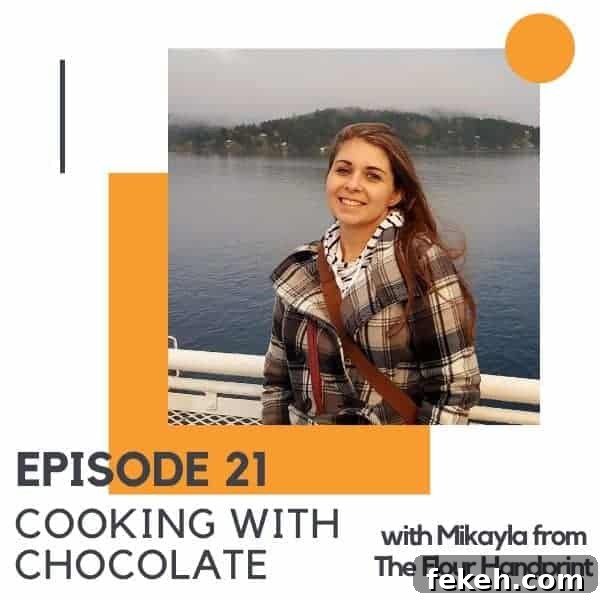
Mikalya from The Flour Handprint shares practical tips and techniques for cooking with chocolate. Learn how chocolate is made and which types work best in the kitchen.
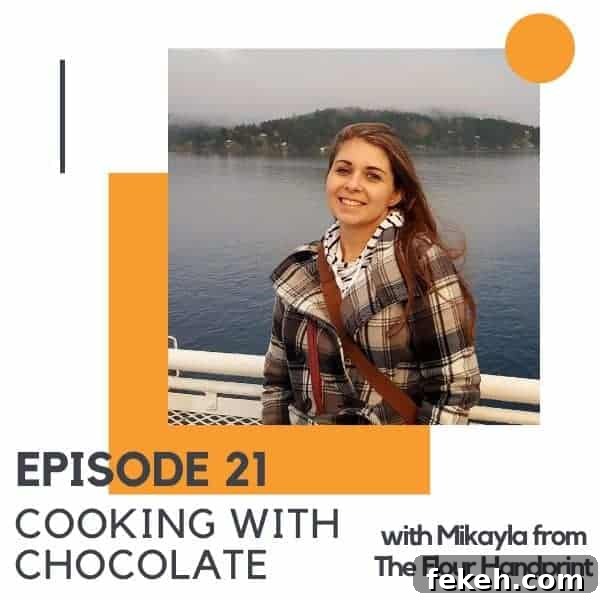
In this episode we focus entirely on chocolate.
I speak with Mikayla from The Flour Handprint, who explains the fundamentals of working with chocolate in home baking and cooking.
Mikayla is a wife, mum to an energetic one-year-old, a trained writer and a passionate food lover. She calls herself a food nerd who reads cookbooks and experiments in the kitchen, exploring ingredients and techniques. Her blog, The Flour Handprint, is dedicated to making good food from scratch and empowering home cooks. She shares seasonal recipes, year-round favorites and practical cooking guides. Mikayla believes that knowing the why and how behind recipes unlocks confidence in the kitchen, and she aims to pass on the joy and freedom she finds in cooking.
I enjoyed our conversation—this episode is packed with useful, down-to-earth chocolate tips.
Recipe of the Week
This week’s pick is my Healthy Chocolate Crackles. A lighter take on the Australian classic, these no-bake treats combine rice bubbles, cocoa, peanut butter and coconut for a chocolatey bite without the sugar crash.
Listen In
Listen to today’s episode on Apple Podcasts, Stitcher or Spotify.
Episode 21 – Cooking with Chocolate
How Chocolate Is Made
- Chocolate begins inside a football-shaped pod from the cacao tree. The pods contain a white pulp with cacao beans inside.
- The beans are fermented for several days, then dried, roasted and cracked to extract the cacao nibs.
- Nibs are ground into chocolate liquor, which is further processed and combined with other ingredients to become the chocolate we know—bars, chips and confections.
Types of Chocolate
- Milk chocolate
- Dark chocolate
- White chocolate
Natural Cocoa Powder vs Dutch-Processed
- Natural cocoa powder is pure chocolate solids and is acidic. It reacts with baking soda, making it useful in recipes that call for that reaction.
- Dutch-processed cocoa has been alkalized with potassium carbonate to neutralize acidity. It does not react with baking soda and pairs better with recipes using baking powder.
- Dutch-processed cocoa tends to be smoother and milder than natural cocoa in finished recipes.
Chocolate Chips
- Chocolate chips are formulated with stabilizers that raise their melting point so they hold shape during baking—ideal for cookies.
- If you want a fully melted, smooth consistency from chips, you may need to add a fat (like butter or oil) to prevent seizing.
- Chips are convenient for baking but lack the versatility of a good-quality chocolate bar for melting and tempering.
Baking Chocolate vs Chocolate Bars
- Either can be used in baking. Baking chocolate is often marketed as an economical option, but composition is similar to chocolate bars.
- Choice often comes down to flavor preference and budget rather than large technical differences.
Chocolate / Candy Melts
- Candy melts are made with ingredients that make them easy to melt and set, but they contain less real chocolate than a true chocolate bar.
Mikayla’s Favourite Chocolate Recipe
Homemade Chocolate Syrup
Where to Find Mikayla
Website: The Flour Handprint
Instagram: @theflourhandprint
Facebook: The Flour Handprint
More Episodes
Visit our show page for more episodes and past interviews.