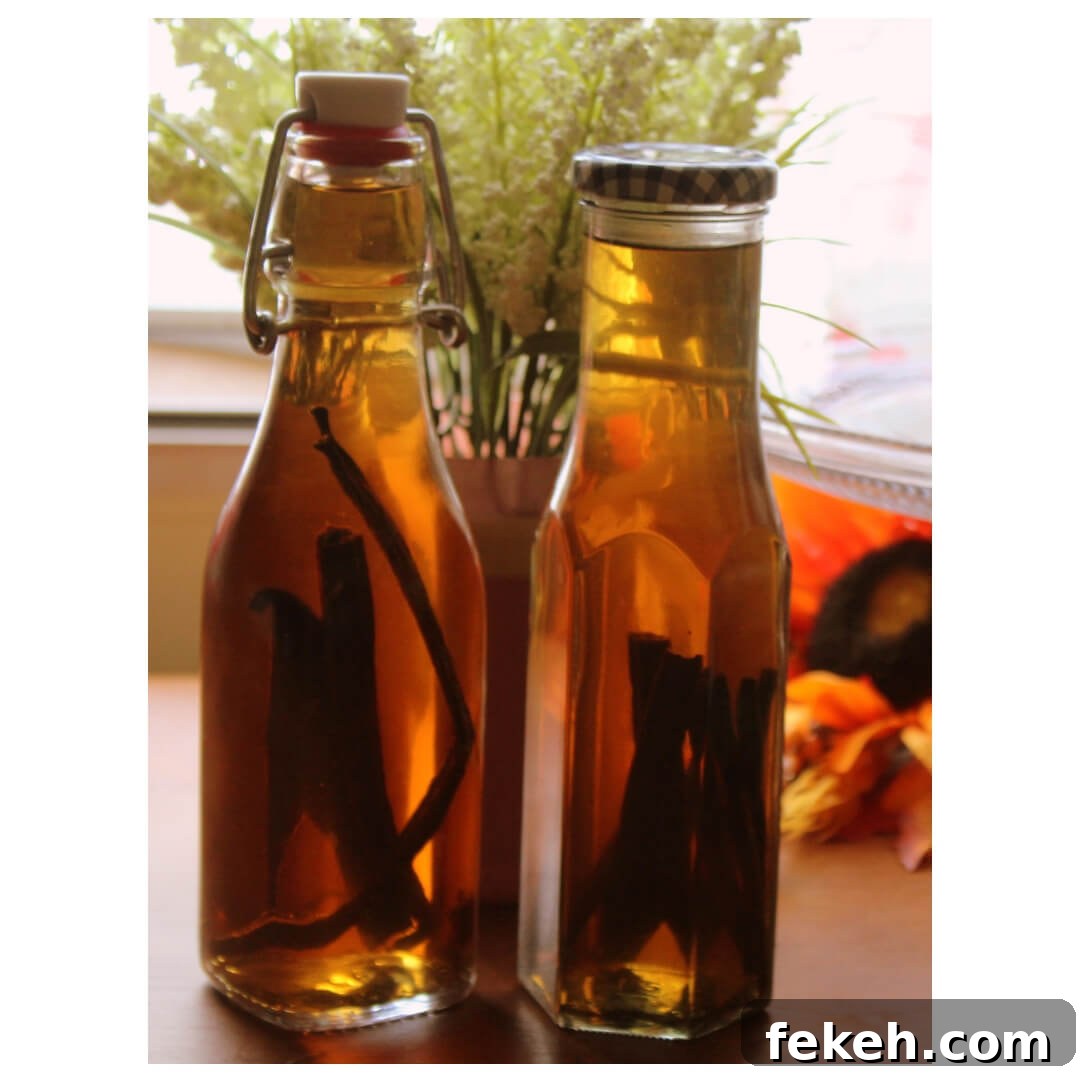
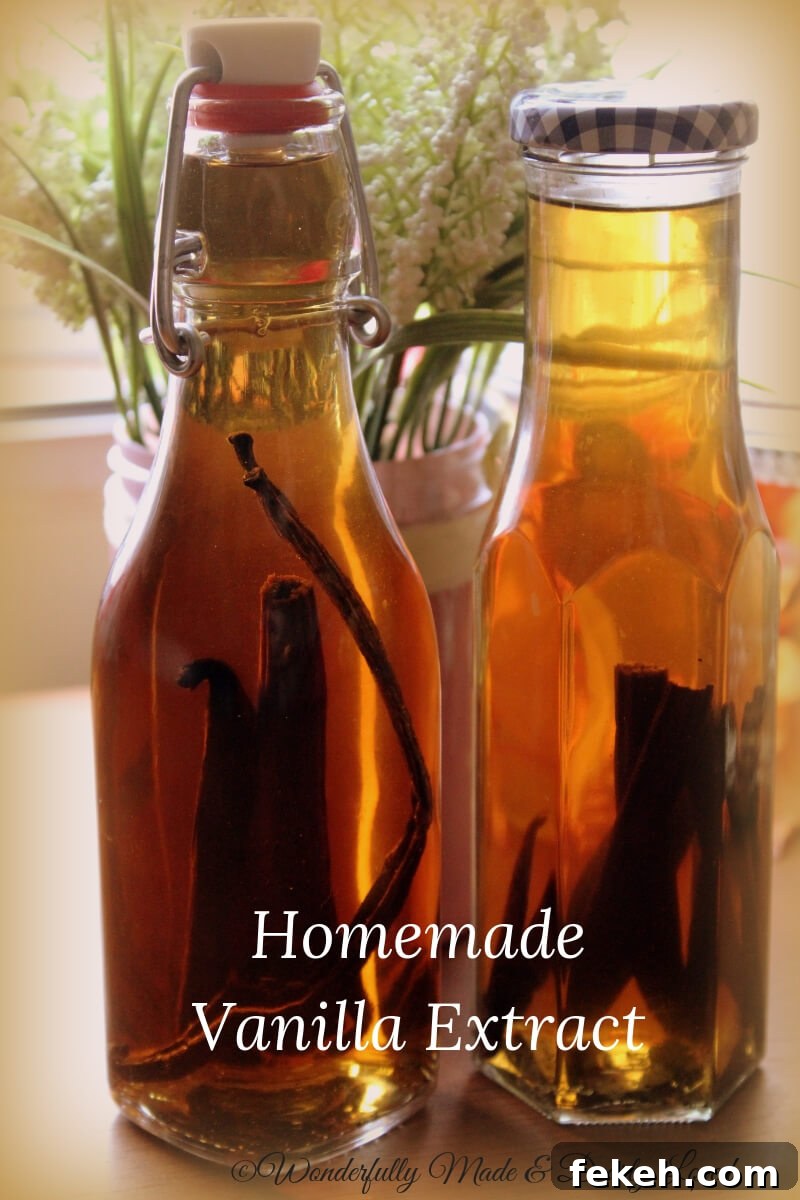
I love homemade vanilla extract. It makes a thoughtful gift and is a simple, rewarding project every cook should try at least once.
I’ve made vanilla extract the traditional way for years, but using a sous vide circulator transformed the process for me — it’s faster and yields excellent, reliable results.
This post may contain affiliate links to Amazon or other programs. I do earn a small commission from sales made through these links; your price does not change. You can see my Full Disclosure here
I was amazed by how well this method worked. It has saved me months of waiting during the holidays and produces a fantastic flavor.
I’m excited to share this approach because it’s quick, safe, and produces a rich, immediately usable extract.
What You Need To Make Homemade Vanilla Extract
Vanilla Beans
Vanilla beans can be pricey, so it’s helpful to know how many you’ll need. According to common guidelines, use about six beans per cup of extract.
Tahitian Vanilla Beans
Tahitian beans come from Tahiti and tend to be more floral in aroma and flavor. They make a lovely, delicate extract.
Mexican Vanilla Beans
Mexican vanilla comes from the same plant species as Madagascar vanilla. Its flavor is rich and familiar, and it works well in most recipes.
Madagascar Vanilla Beans
Madagascar beans are commonly used by chefs. They are typically plump and long with an intense, classic vanilla flavor that performs beautifully in extract.
Alcohol: Vodka, Rum, or Brandy
I prefer vodka for a neutral background, but rum or brandy also make lovely extracts with complementary flavor notes. Use an alcohol that is at least 40% ABV (80 proof).
A Jar or Bottle
Use a clean glass jar or bottle. Swing-top bottles are attractive for gifting; amber bottles help protect the extract from light and preserve flavor over time.
Why I Use Sous Vide To Make Homemade Vanilla Extract
I bought my sous vide circulator partly to experiment with making vanilla extract in a safe, controlled way. I also appreciate not heating the whole kitchen in summer. The sous vide method lets you infuse quickly and consistently without the risks of heating alcohol under pressure.
What Is Sous Vide?
Sous vide is a cooking technique that circulates water at a precise, steady temperature. Foods (often vacuum-sealed) are cooked for extended periods at that exact temperature, producing consistent results. It’s widely used in professional kitchens and for home cooks seeking precision.
Why Sous Vide Works Well for Vanilla Extract
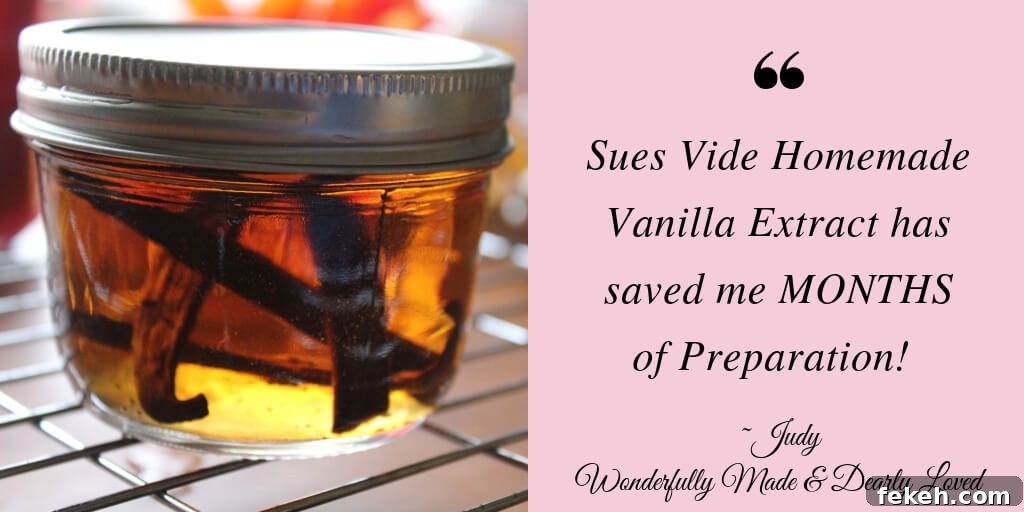
With sous vide, I can produce a flavorful vanilla extract in just 4–6 hours instead of waiting months. The gentle, even heat extracts the vanilla compounds quickly while avoiding harsh heat that can degrade flavor. When cooled, the jar will often seal like a home-canning jar, which is helpful for storage and gifting.
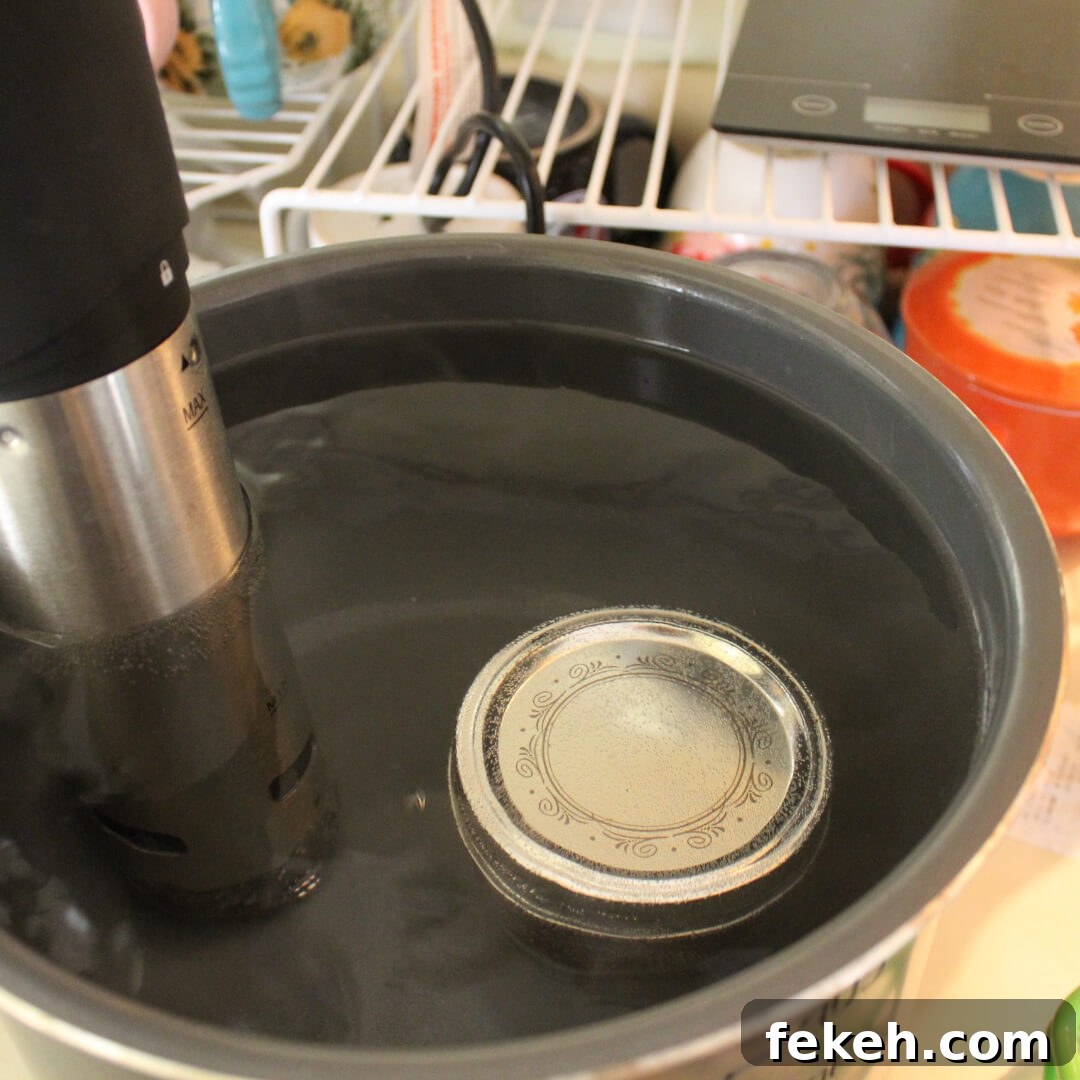
You can also age the extract in your pantry as long as you like; it will deepen and darken with time.
I used an Instant Pot liner as a container inside my sous vide bath, and it worked well on the counter with a trivet underneath.
Homemade Vanilla Extract
- 1 cup vodka (or rum/brandy), minimum 40% ABV
- 6 whole vanilla beans
- Split each vanilla bean lengthwise to expose the seeds, then place the beans in a clean glass jar or bottle.
- Pour the alcohol over the beans, ensuring they are fully submerged, and seal the jar tightly.
- Store the jar in a dark cabinet and shake it every few days. The extract develops over time and is typically ready in about three months; flavor improves with age.
- Set the sous vide circulator to 130°F (54°C). Place the sealed jar in the water bath and process for 4–6 hours.
- Carefully remove the jar and allow it to cool to room temperature. Check the seal if you plan to gift or transport it.
- Store the extract in a cool, dark place. You can use it immediately, and the flavor will continue to deepen with time.
This website is a useful resource for learning about different vanilla bean types and their processing.
Why I Will Not Make Vanilla Extract In An Instant Pot
Some people try making vanilla extract in electric pressure cookers, but heating alcohol under pressure can be dangerous. For safety, avoid cooking alcohol in devices that create pressure. If you choose to experiment with other methods, research the risks thoroughly and proceed with caution.