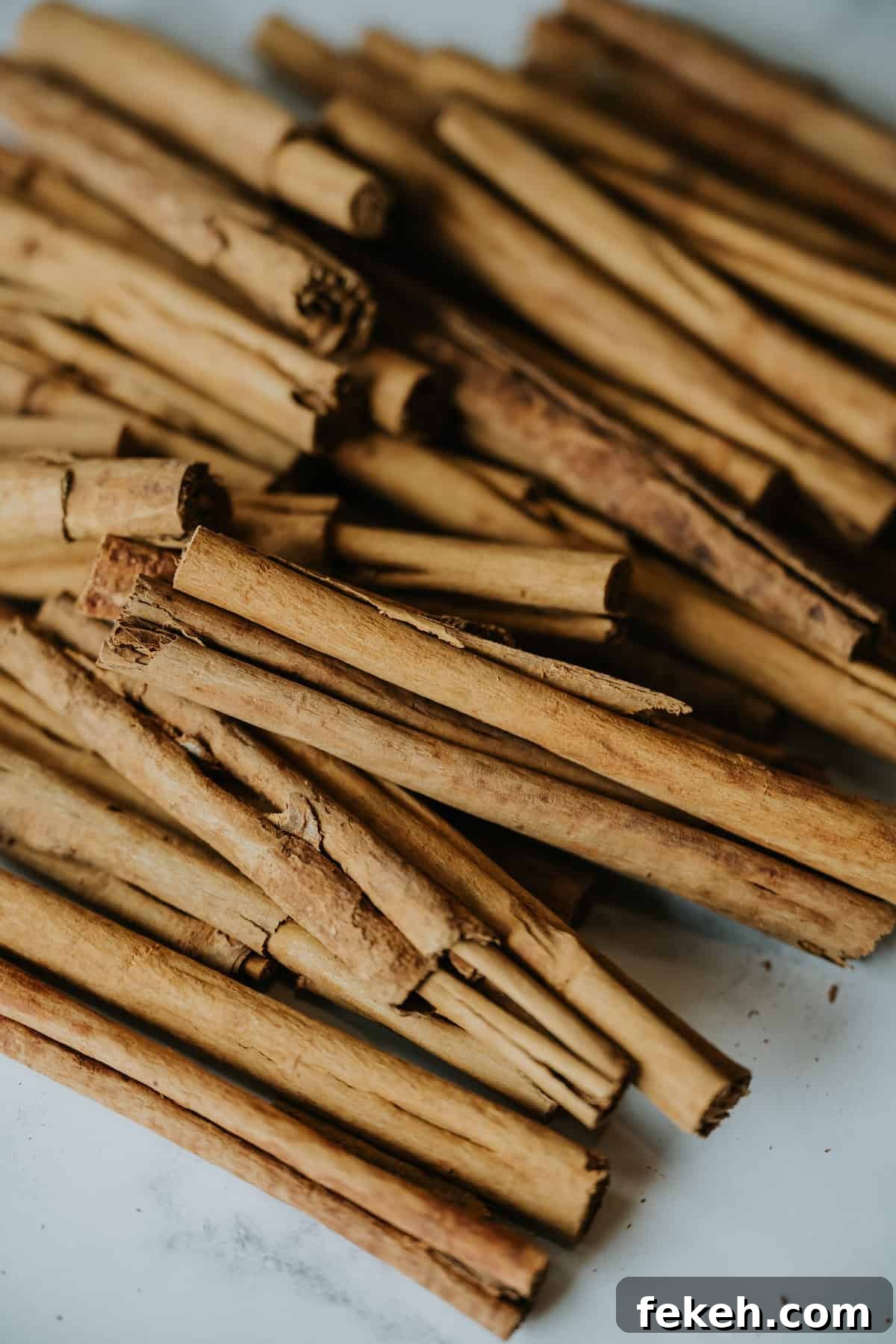
If you read often, you may be asking: What is canela? This article explores that question in depth, explaining why this particular type of cinnamon matters in Mexican cuisine, how it differs from other cinnamons, where to buy it, and practical ways to use it.
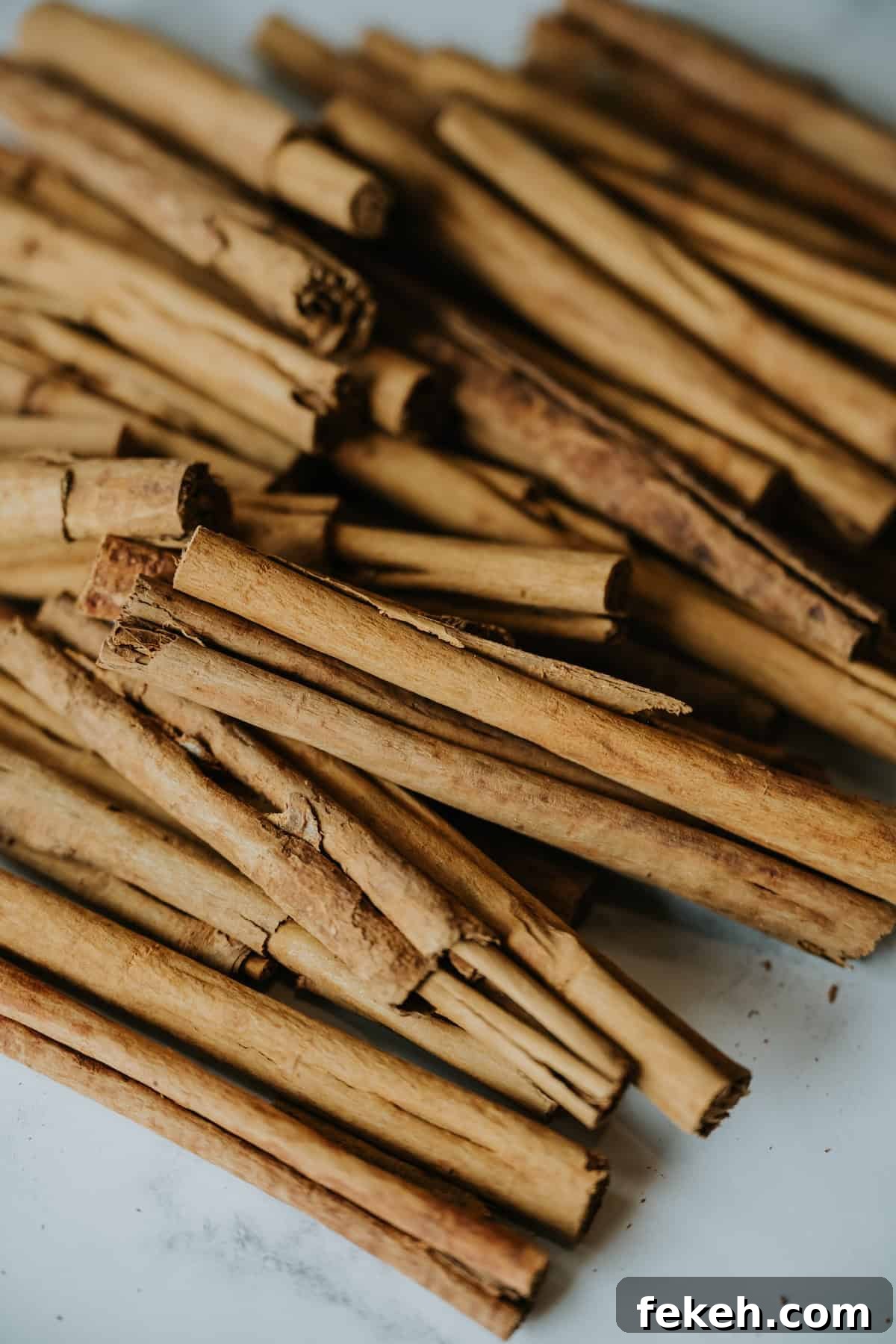
Is canela the same as cinnamon? Saigon vs. Ceylon cinnamon
Canela is a variety of cinnamon prized in Mexican and broader Latin American cooking. Often called Ceylon cinnamon, true cinnamon, or Mexican cinnamon, it originates from Sri Lanka. Although canela belongs to the cinnamon family, it tastes noticeably different from the cassia cinnamon that many people in the United States recognize as “cinnamon.”
The most common global variety is cassia, which makes up roughly 95% of commercial cinnamon. If you pick up a typical jar of ground cinnamon or a bundle of cinnamon sticks at a mainstream grocery store, it’s very likely cassia. Cassia, native to southern China, has a sharper, peppery heat and its sticks are dense and hard.
Canela, by contrast, is lighter in color and softer in texture. Its flavor is milder and sweeter with fruitier and vanilla-like notes. Mexican cinnamon sticks are more crumbly and rolled in looser layers than cassia sticks. Two other varieties you might encounter are Saigon cinnamon, which is more pungent, and Korintje from Indonesia, which is mellow and often the closest match to canela in commercial blends.
What does canela mean?
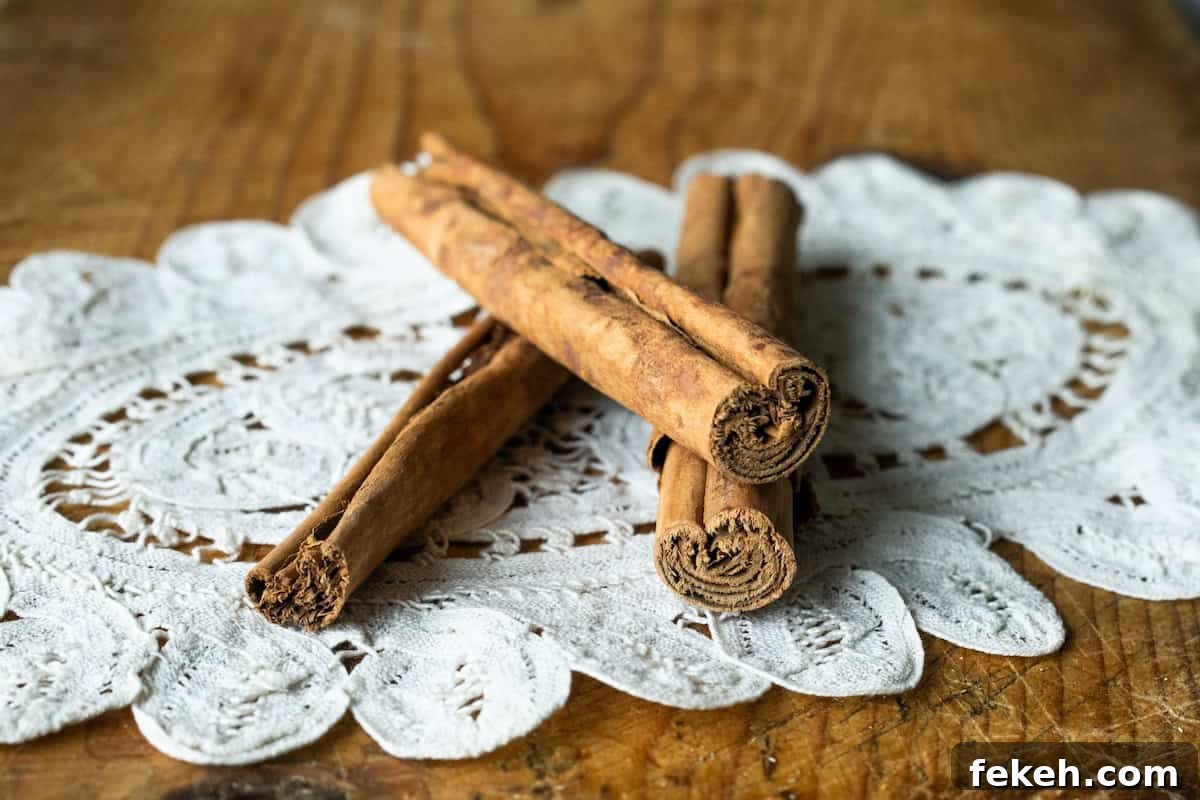
In Spanish, canela simply means “cinnamon.” In practice, the term often refers specifically to Ceylon or Mexican cinnamon. It’s also used to describe a tan or light brown color in some contexts. When you hear canela in a recipe or at a market, think of the milder, sweeter cinnamon variety common in Latin American cooking.
What flavor is Mexican cinnamon?
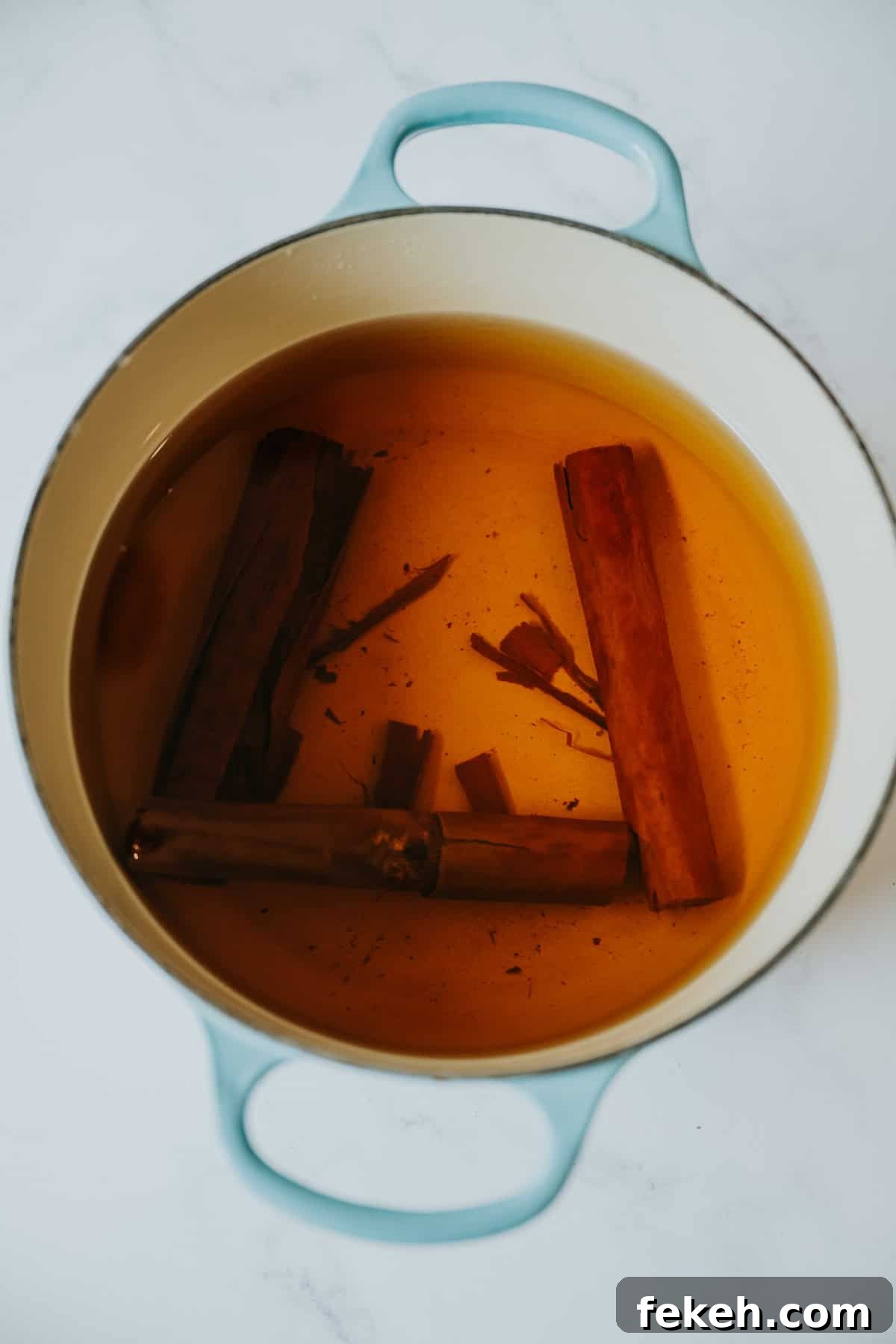
Think of canela as a gentler version of the cinnamon flavor many Americans expect. It delivers warmth without the sharp bite of cassia. Canela tends to be sweeter due to a higher eugenol content, which gives it clove-like notes. Overall, Mexican cinnamon tastes cozy and sweet with a softer profile than regular grocery-store cinnamon.
What is canela good for?
Canela is extremely versatile. It features heavily in baked goods and traditional Mexican desserts such as churros, capirotada (bread pudding), buñuelos, orejitas, and polvorones. It’s commonly used in breakfast dishes like atole, arroz con leche, gorditas de azúcar, and Mexican avena. Canela also enhances savory recipes, appearing in dishes like cinnamon apple pork chops and mole.
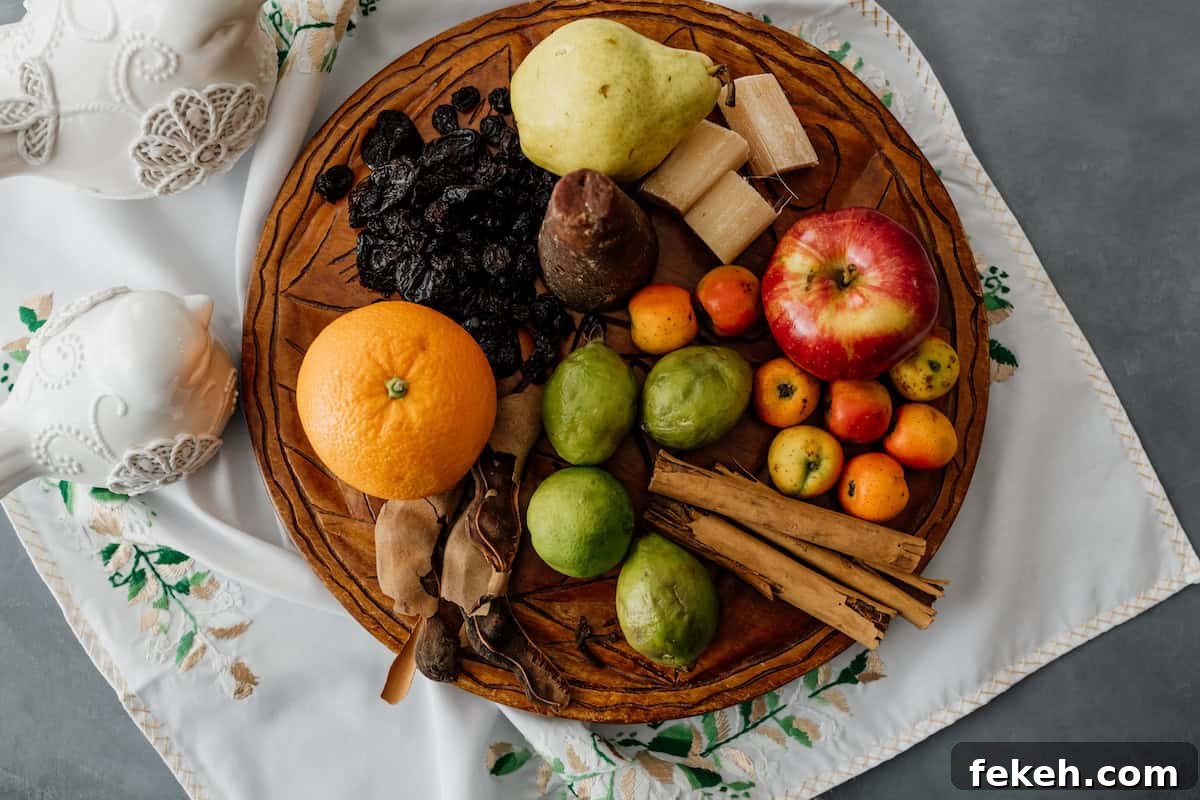
During the holidays, Mexican markets often sell large stalks of cinnamon bark alongside sugarcane for seasonal drinks and desserts such as ponche navideño and traditional cookies. Whole canela sticks are excellent for infusing hot beverages—café de olla, té de canela, horchata, Mexican hot chocolate, and spiced ciders all gain depth from a stick of canela.
Beyond the kitchen, whole sticks work well as cocktail stirrers, in simmer pots, and as natural holiday decorations. Their aroma makes them useful for fragrant home crafts and festive displays.
Is it healthy?
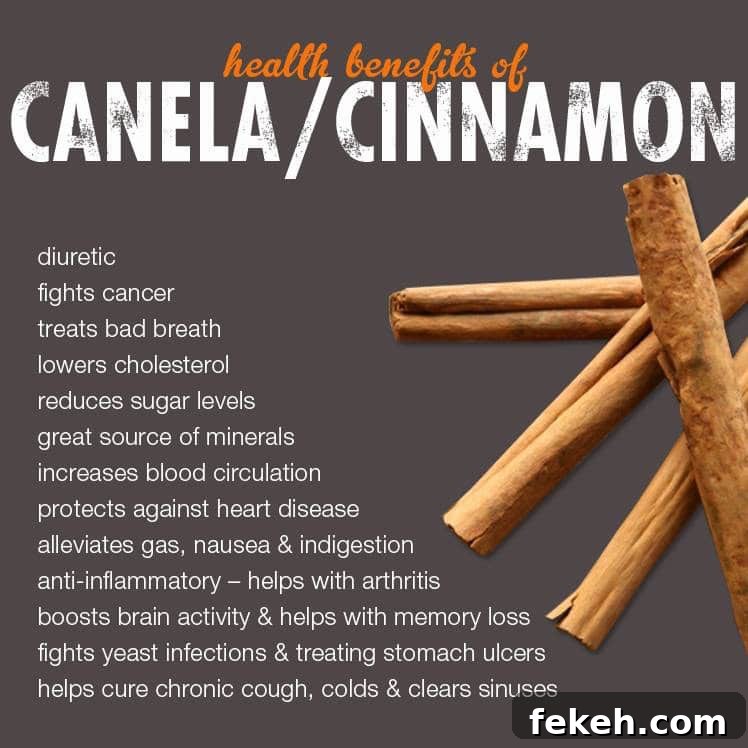
Research suggests all cinnamon varieties offer health-supporting properties. Cinnamon is a source of antioxidants and minerals like manganese, and studies indicate it may help with blood sugar regulation, digestion, and inflammation control. Canela is often preferred over cassia in certain situations because it contains lower levels of coumarin, a compound that can be harmful in large doses. As with any spice, use in moderation and consult health guidance for specific conditions or pregnancy concerns.
Where to buy Mexican cinnamon?
For authentic canela, check Mexican or Hispanic grocery stores, where spices are often sold in bags and at lower prices than mainstream supermarkets. These markets typically carry whole canela sticks in larger sizes. Specialty spice shops and some online retailers also stock Ceylon/Mexican cinnamon if you can’t find it locally.
Frequently Asked Questions
You can substitute other cinnamons, but flavor will vary. Korintje cinnamon is one of the closer matches in taste, while cassia and Saigon are spicier and more pungent.
Canela contains less coumarin than cassia, making it generally a safer culinary choice during pregnancy. However, authorities recommend limiting cinnamon intake to small amounts (for example, around a half teaspoon daily) and avoiding concentrated cinnamon supplements or essential oils while pregnant.
Ceylon cinnamon is native to Sri Lanka. The spice is made from the inner bark of cinnamon trees, which dries and curls into the familiar sticks used in cooking.
No. Pure canela contains no caffeine. If you buy a pre-mixed tea blend, check the label—some mixes include caffeinated tea leaves.
Most mass-market cinnamon sold simply as “cinnamon” is cassia, not Ceylon. Unless a brand specifies Ceylon or canela on the label, assume it’s cassia.
More Ingredients Used in Mexican Cuisine
- What is Masa Harina?
- What Is Piloncillo? All About Mexican Brown Sugar
- What Is Mexican Oregano? All About This Delicious Mexican Herb
- Oaxaca Cheese: All About Queso Oaxaca (a.k.a. Quesillo)
- Queso Fresco: All About Mexico’s Favorite Fresh Cheese
- Cotija Cheese: All About Queso Cotija
- Crema Mexicana (Mexican-Style Sour Cream)
- Anaheim Peppers: All About The Long Green Chiles
- Tomatillos Unwrapped: The Secret Star of Mexican Cuisine
Did you enjoy learning about Mexican cinnamon (canela)? If I missed anything or you have questions, leave a comment below.