Fennel seeds, commonly called saunf in Indian households, have been used for centuries to enhance the flavor of dishes and support digestion. Often enjoyed with a piece of rock sugar after meals, these small aromatic seeds are valued for their digestive and aromatic properties, particularly after heavy or rich meals.
Derived from the fennel plant (Foeniculum vulgare), fennel seeds are tiny, aromatic seeds with a long history in both cooking and traditional medicine. Their sweet, anise-like flavor and concentrated nutrients make them a useful ingredient in many cuisines and home remedies.
This article explores the origins, culinary uses, and proven health benefits of fennel seeds (saunf), and offers practical ways to include them in your daily diet.
Origins and History of Fennel Seeds (Saunf Seeds)
Native to the Mediterranean region, fennel is now cultivated worldwide due to its adaptability and usefulness. Ancient civilizations, including the Egyptians, Greeks, and Romans, prized fennel for its medicinal and culinary uses. The Greeks called it “marathon” and associated it with victory and success. Over centuries, fennel seeds spread into many culinary traditions and became part of Ayurvedic and Traditional Chinese Medicine practices.
Culinary Uses of Fennel (Saunf Seeds)
Fennel seeds are highly versatile in the kitchen. Common culinary uses include:
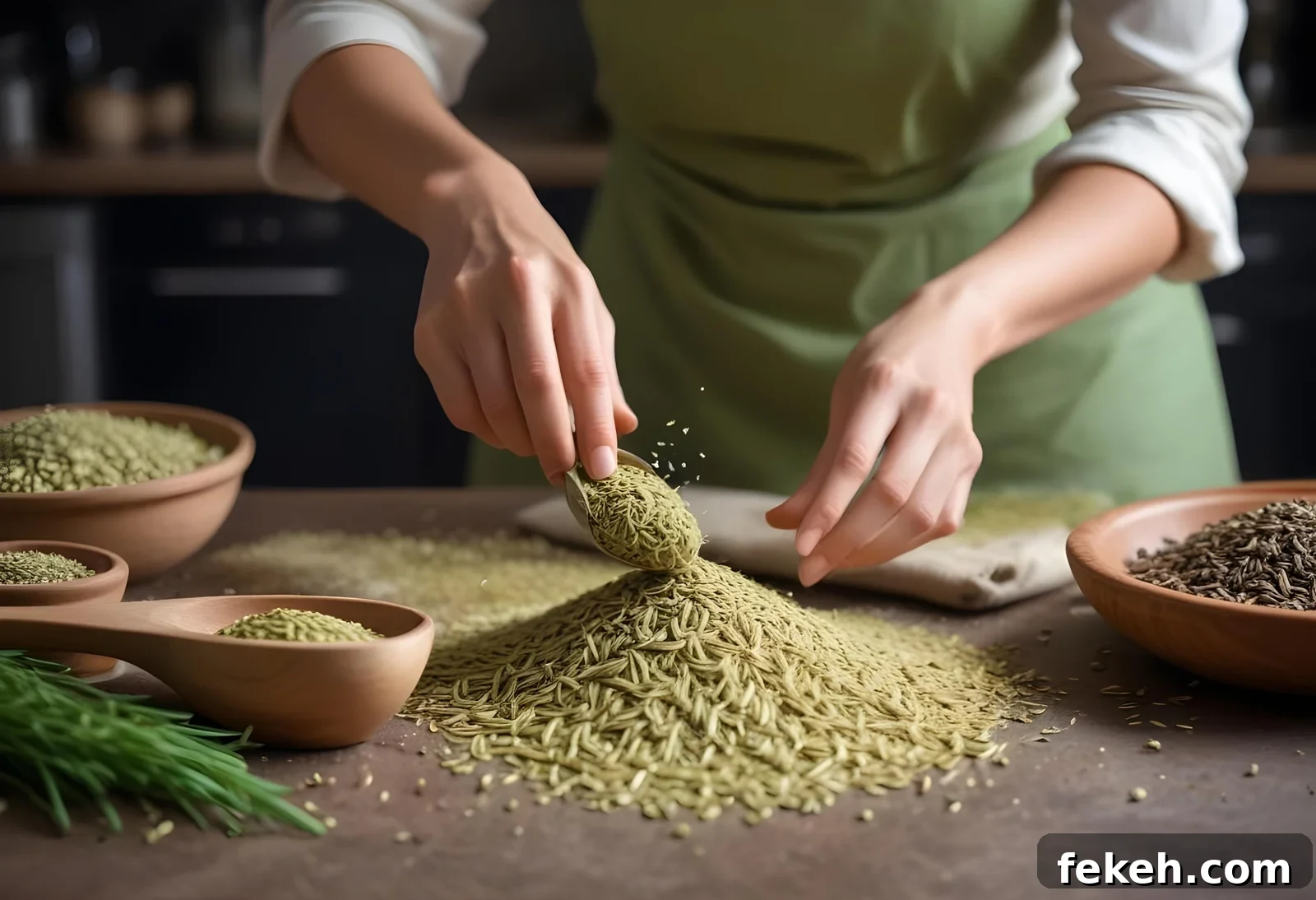
- Spice Blends: Fennel is a key ingredient in many spice mixes, adding sweetness and aromatic depth to blends such as garam masala and five-spice.
- Baking: Added to breads, cookies, and biscotti, fennel seeds bring a pleasant licorice note to baked goods.
- Tea: Fennel seed tea is widely used as a simple digestive aid. Steeping a teaspoon of crushed seeds in hot water produces a soothing, aromatic infusion.
- Pickling: Fennel seeds are often included in pickling spice mixes to lend a distinctive flavor to preserved vegetables.
- Seasoning: Sprinkle fennel seeds on roasted vegetables, meats, or fish, or include them in sausage and marinade recipes for added complexity.
Health Benefits of Fennel (Saunf Seeds)
Beyond their culinary uses, fennel seeds offer a range of health benefits thanks to essential oils, antioxidants, and micronutrients. Key benefits include:
-
Digestive Health
- Relieves bloating and gas: Fennel seeds have carminative properties that help reduce gas formation and ease bloating. Chewing a small amount after meals is a traditional practice to support digestion.
- Aids digestion: The essential oils in fennel stimulate digestive secretions, supporting better breakdown and absorption of nutrients.
-
Anti-inflammatory and Antioxidant Properties
- Reduces inflammation: Fennel contains flavonoids, phenolic compounds, and volatile oils that have anti-inflammatory effects.
- Neutralizes free radicals: Its antioxidant compounds help combat oxidative stress, protecting cells from damage associated with chronic diseases.
-
Respiratory Health
- Eases cough and congestion: Fennel’s expectorant qualities can help loosen mucus and relieve symptoms of coughs and bronchial congestion. Drinking fennel tea or inhaling steam infused with fennel can provide symptomatic relief.
-
Hormonal Support
- Regulates menstrual cycle: Containing phytoestrogens, fennel seeds may help balance hormonal fluctuations and alleviate some menstrual and menopausal symptoms for certain individuals.
- Boosts lactation: Traditionally used as a galactagogue, fennel is sometimes consumed by nursing mothers to support milk production.
-
Weight Management
- Appetite control: Chewing fennel seeds can provide a mild appetite-suppressing effect, helping curb cravings and reduce overeating.
- Supports metabolism: The active oils in fennel may modestly stimulate metabolic processes that support weight management when combined with healthy diet and activity.
-
Heart Health
- Helps regulate blood pressure: Potassium in fennel helps balance sodium and supports healthy blood pressure levels.
- Supports healthy cholesterol levels: Some evidence suggests fennel can contribute to reduced LDL cholesterol, aiding cardiovascular health as part of an overall healthy lifestyle.
-
Skin and Hair Benefits
- Skin health: Antioxidant and antimicrobial properties may help with skin clarity and managing minor skin concerns. Fennel-infused water is traditionally used as a gentle topical rinse.
- Hair care: Rinsing hair with fennel-infused water is a traditional remedy thought to strengthen roots, reduce dandruff, and support scalp health.
How to Incorporate Fennel Seeds into Your Diet
Incorporating fennel seeds into your routine is simple and versatile. Practical ideas include:
- Chew them raw: A teaspoon of fennel seeds after meals aids digestion and freshens breath.
- Make fennel tea: Steep a teaspoon of crushed fennel seeds in hot water for 5–10 minutes, strain, and enjoy. Sweeten with honey if desired.
- Add to dishes: Sprinkle seeds on salads, soups, stews, or roasted vegetables, or include them in spice rubs for meats and fish.
- Use in baking: Mix fennel seeds into bread, cookies, and cake batters for a subtle aromatic lift.
- Infuse water: Add a teaspoon of seeds to a bottle of water and let it steep overnight for a refreshing, mildly flavored drink.
- Dry roast for seasoning blends: Lightly toasting fennel seeds with cumin and coriander enhances their flavor; store the mixture to use as a convenient seasoning.
Small but potent, fennel seeds are a versatile pantry item that offer culinary delight and a range of health-supporting properties. Whether chewed raw, brewed as tea, or incorporated into your favorite recipes, they make a valuable, natural addition to everyday cooking and home remedies. Use them thoughtfully as part of a balanced diet and lifestyle to enjoy their flavor and benefits.