Episode 005 is the second installment in the What We’re Grilling series, where Taryn shares recent family grilling experiences and ideas to inspire your next BBQ. In this episode she covers a simple grilled pork tenderloin prepared with a dry brine, a straightforward dry rub for bone-in, skin-on chicken thighs, and a twice-smoked ham finished with a honey Dijon glaze. These short episodes arrive roughly every two weeks and are meant to give practical, easy-to-follow grilling tips.
Links from this episode
- Taryn’s grilled pork tenderloin recipe
- Tutorial for removing pork silver skin
- Dry rub for bone-in, skin-on chicken thighs
- Thermapen ONE meat thermometer (affiliate link)
- Glaze for twice-smoked ham
Transcript
Taryn Solie
Welcome back to another What We’re Grilling episode. These short episodes are designed to share a few things my family and I have been grilling—some general ideas and a few step-by-step tips to help you recreate them. My goal is to spark ideas for dinners to serve family and friends.
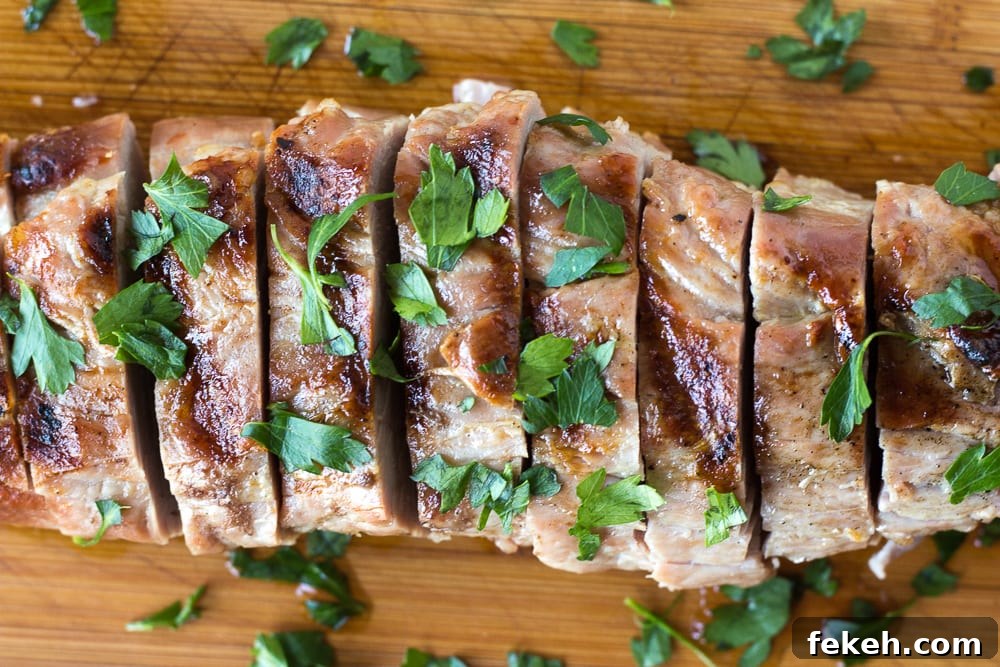
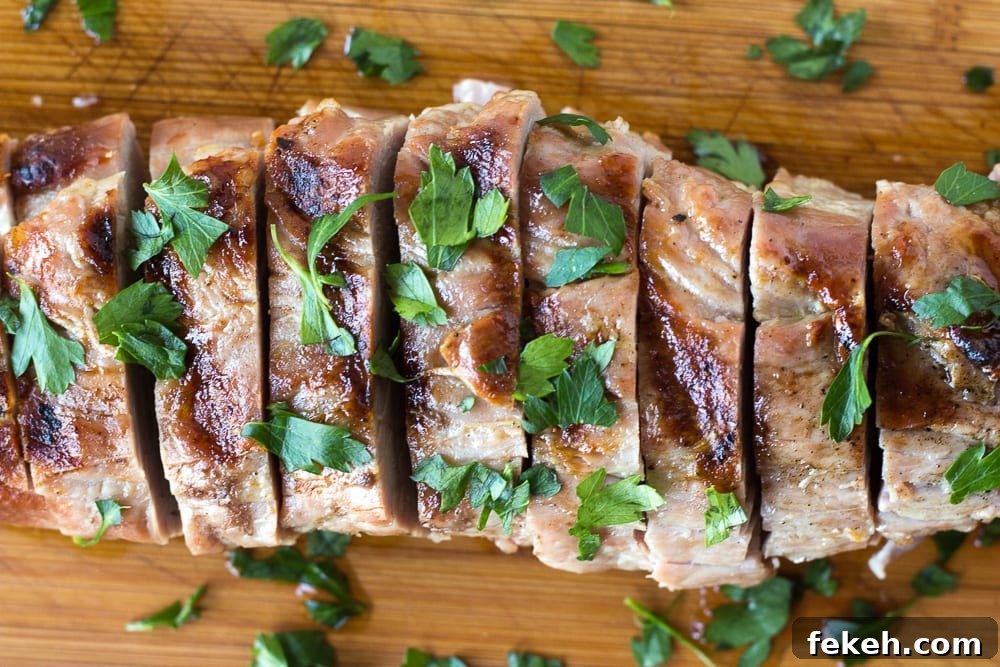
First up is grilled pork tenderloin. This cut can dry out fast, so I prefer to use a dry brine to retain moisture. Dry brining is cleaner and concentrates the salt’s effect since it’s not diluted by water. For a pork tenderloin about a pound in size, I usually use roughly a tablespoon of kosher salt—Diamond Crystal works well for me because it’s a bit less salty by volume than some other brands.
Start by prepping the tenderloin: pat it dry with paper towels and trim away any fat and the silver skin. Silver skin is a thin connective tissue that often runs along the length of the tenderloin and looks shiny or silvery; it won’t break down during cooking and can cause the meat to curl, so it’s best removed. There are many online tutorials that show how to remove it with a sharp knife.
Place the tenderloin on a cutting board, sprinkle the salt evenly, and rub it in with your hands. Refrigerate to brine—uncovered is ideal to help dry the surface, but you can loosely cover it if you prefer. The salt will pull moisture out of the meat and then allow the meat to reabsorb the seasoned juices. Let it brine for at least an hour; I often start the brine the morning of or the night before grilling.
Take the pork out of the fridge at least 30 minutes before grilling so it can come closer to room temperature. Lightly oil the surface to prevent sticking, then cook on a grill preheated to about 375°F (I use a gas grill). Grill for approximately 10–15 minutes, flipping halfway through. Remove the pork when its internal temperature reaches 140°F, then let it rest 5–10 minutes before slicing. Serve with your favorite sides or sauces—BBQ sauce works well, but it’s also excellent served simply as we did, alongside roasted green beans and mushrooms.
I’ve posted the full recipe on Hot Pan Kitchen and include a link in the show notes.
Next, while on spring break in California I grilled bone-in, skin-on chicken thighs for friends. They’d pulled the thighs from the freezer, so I used a simple dry rub adapted from an online recipe. Since my friends didn’t have every spice on hand, I combined salt, pepper, garlic powder, paprika, and mustard powder. I grilled them on an oiled gas grill at about 400°F, cooking skin-side down for roughly five minutes before flipping, and continued until the internal temperature reached 165°F.
I missed my Thermapen while grilling those chicken thighs—my friends’ thermometer was serviceable but slower, so I ended up keeping my hand near the hot grill longer than I like to check each piece. If you frequently grill different-sized pieces, a fast-read thermometer saves time and keeps you safer and more comfortable.
Finally, for Easter we served a twice-smoked spiraled ham on our Traeger wood-pellet grill. The ham from Costco was already smoked, so the Traeger added a second layer of smoke. I set the grill to 250°F and placed the ham directly on the grates. Our ham weighed a bit over 10 pounds, so after about two hours I checked the temperature; it still needed time to reach the target around 140°F, and I worried it might dry out.
I moved the ham to a roasting pan, spritzed it with apple juice, and covered it loosely with foil to speed cooking and retain moisture. After another 30 minutes it was closer to temperature, so I prepared a glaze by heating ghee (or butter), honey, Dijon mustard, and minced garlic, then brushed the glaze over the ham. I covered it again and raised the grill temperature slightly to about 300°F to ensure it would finish in time. The glaze caramelized nicely and added great flavor.
We served the ham with grilled pineapple, fresh cantaloupe, roasted potatoes, and a spinach salad with strawberries, avocado, and almonds—an easy and festive Easter spread.
That wraps up this episode: grilled and dry-brined pork tenderloin, dry-rubbed bone-in chicken thighs, and a twice-smoked spiraled ham with a honey Dijon glaze. Check the show notes page for links to the recipes mentioned; visit the Hot Pan Kitchen website and click Podcast in the main menu or use the link provided in your podcast app.
If you enjoyed this episode, please subscribe to the podcast and leave a rating and review—those help new podcasts get discovered. Thanks for listening, and until next time, keep grilling like a mother.