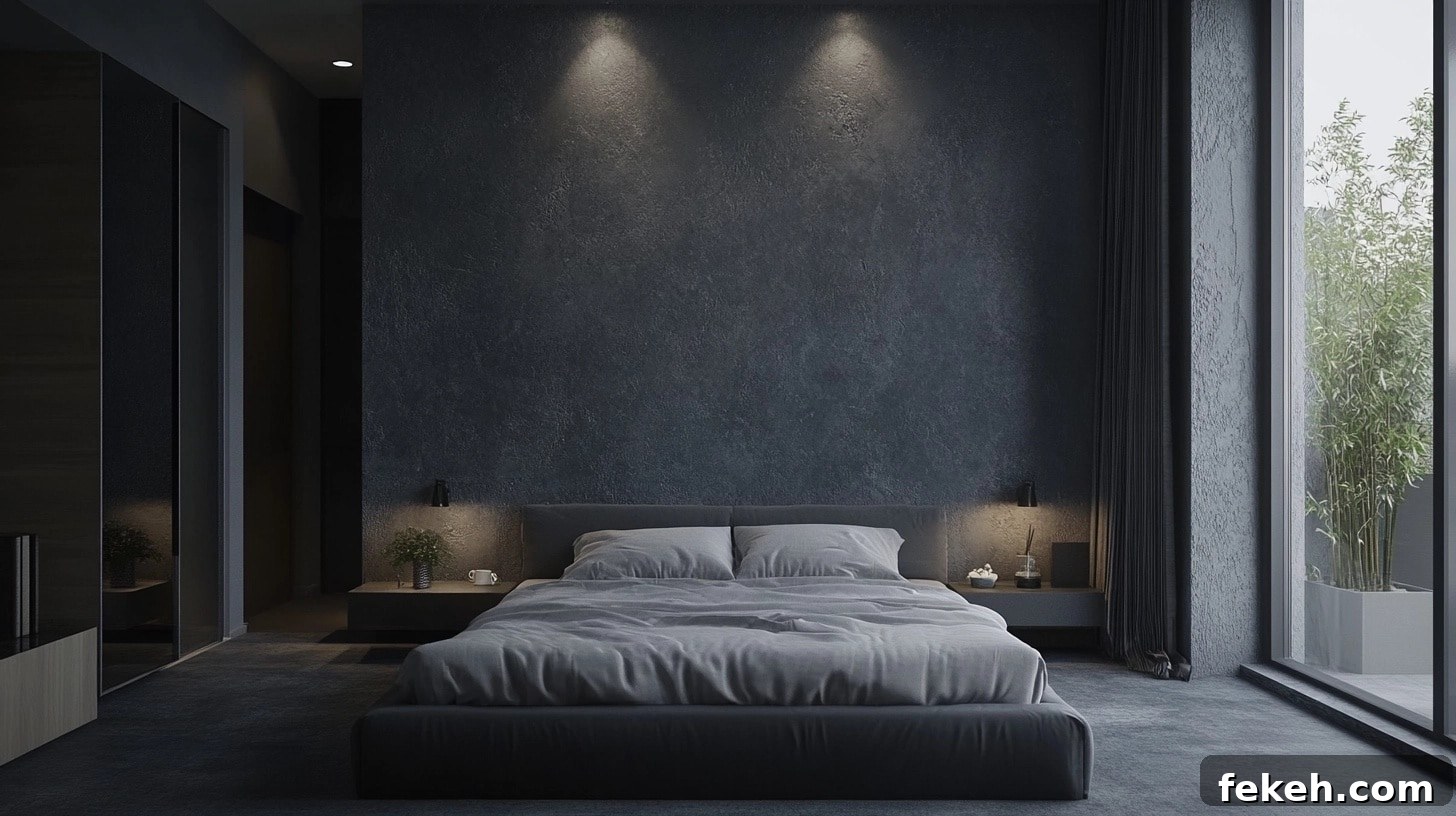
Dark accent walls provide a bold, stylish way to elevate bedroom design. While many avoid deep hues, a well-executed dark wall can transform an ordinary bedroom into a sophisticated, restful retreat.
This guide covers everything you need to design a dark accent wall successfully — from choosing the right shade and materials to preparing surfaces, selecting finishes, and balancing light and decor. Dark accent walls suit large master bedrooms as well as cozy guest rooms, adding depth, personality, and a strong focal point.
Read on for practical advice on color selection, wall preparation, paint technique, complementary materials, and styling tips that help modernize and warm any bedroom.
Choosing the Right Shade and Material for Your Wall
Selecting the right dark shade and wall material is a key decision that sets the tone for the whole room. Consider the mood you want to create and the textures that will best enhance the color.
Selecting the Perfect Color
| Color | Description | Complementary Accents |
|---|---|---|
| Black | Creates modern sophistication | Pairs well with metal accents and crisp whites |
| Navy | Adds warmth and depth | Works beautifully with gold or brass details |
| Deep Green | Brings a natural, calming quality | Matches wooden furniture and plants |
| Charcoal | Offers subtle depth without overwhelming | Blends with most color schemes and textures |
Materials Matter
Paint finishes
- Matte: Hides surface flaws and creates a soft, velvety look.
- Eggshell: Offers a gentle sheen and is easier to clean than matte.
- Satin: Durable and suitable for higher-traffic walls or where occasional cleaning is needed.
Wallpaper options
- Textured wallpaper adds visual interest and tactile depth.
- Patterned wallpaper creates a unique focal point and can introduce subtle contrast.
Wall panels
- Wood panels add natural warmth and richness.
- Shiplap and board-and-batten create clean, architectural lines.
- Wainscoting lends classic style and works well with darker paints on upper sections.
Tools and Materials Needed Before Starting
Materials
- MDF boards (for framing or paneling)
- Painter’s tape (for clean edges and to mark stud locations)
- Putty (for filling nail holes and minor gaps)
- Caulking (to seal seams and joints)
- Dark paint in your chosen shade
- Paint samples for testing colors in your room lighting
Tools
- Marker (for marking cuts)
- Brad nailer (to secure panels)
- Level (to ensure even placement)
- Stud finder (to locate structural studs)
- Electric sander (for smoothing filled areas)
- Sandpaper (for hand-finishing details)
- Paint roller (for main coats)
- Paintbrushes (for edges, corners, and touch-ups)
- Tape and drop cloths (to protect floors and furniture)
A Step-By-Step DIY Guide to Create Your Dark Accent Wall
Step 1: Preparation and Planning
Clear the area and remove wall hangings and furniture near the work zone. Measure the wall and sketch a layout for panels or paint-only designs. Test paint samples on the wall at different times of day to evaluate how the color reads in natural and artificial light.
Step 2: Measure and Cut
Measure carefully and mark MDF or panel boards for cutting. Cut panels to size and dry-fit them on the wall to confirm alignment before fastening.
Step 3: Framing the Wall
Attach framing panels to the wall perimeter, starting with the longest pieces so the composition aligns. Use a level to keep lines straight and consistent.
Step 4: Attaching Panels
Secure panels into studs or solid backing using a brad nailer. Mark stud locations with painter’s tape beforehand and check that panels sit flush to the wall.
Step 5: Filling Gaps and Seams
Use caulking and putty to fill seams, nail holes, and gaps. Smooth excess material and allow it to dry fully to minimize visible imperfections after painting.
Step 6: Sanding
Sand filled areas until smooth, starting with an electric sander for larger sections and finishing by hand for precise spots. Remove dust before priming or painting.
Step 7: Painting
Apply a high-quality primer, preferably tinted close to the final shade for better coverage. Use a roller for broad areas and a brush for edges. Apply at least two coats of dark paint, allowing proper drying time between coats for a rich, even finish.
Step 8: Finishing Touches
Reinstall outlet covers, switch plates, and any wall-mounted fixtures. Step back and inspect for any touch-ups. Add coordinating decor, lighting, and textiles to complete the look.
13 Inspirations for a Dark Accent Wall Bedroom
1. Midnight Blue Elegance
Midnight blue creates a serene, sophisticated atmosphere. It pairs well with light neutrals or metallic accents to highlight the depth of the color.
- Palette: Silver, gray, and crisp whites.
- Texture: Matte finish enhances depth.
2. Charcoal Chic
Charcoal gray offers a contemporary, sleek backdrop that highlights colorful artwork and bright linens.
- Ideal for: Minimalist and modern designs.
- Complements: Bright whites and bold accent colors.
3. Black Velvet Opulence
A black wall with a velvet-like finish brings luxury and drama; textured wallpaper or specialty paint can achieve this effect.
- Tip: Warm ambient lighting enriches texture and prevents the wall from looking flat.
4. Forest Green Depths
Deep forest green creates a calming, nature-inspired retreat and works beautifully with wooden furniture and plants.
- Style match: Rustic, organic, and eclectic interiors.
5. Burgundy Bliss
Burgundy introduces warmth and a cozy, intimate mood—ideal for vintage or bohemian bedrooms.
- Accents: Gold trims, ivory textiles, and layered fabrics.
6. Indigo Dreams
Indigo blends blue and violet tones to inspire calm and creativity. It pairs nicely with brass accents and light wood furnishings.
7. Slate Gray Simplicity
- Accent elements: Metallic or mirrored decor enhances a modern look.
- Finish: Semi-gloss offers a slight sheen without overpowering.
8. Dark Teal Tranquility
Dark teal balances blue and green tones, providing a soothing but striking backdrop.
- Complements: Mustard, coral, and warm neutrals.
- Finish: Satin brings out the richness of the color.
9. Sable Black Boldness
Sable black grounds room decor and makes light-colored furniture and art pop. White trim creates a sharp, sophisticated contrast.
10. Espresso Luxe
Espresso tones offer a warm, enveloping backdrop that works well with creams and beiges. Matte or eggshell finishes preserve depth and reduce glare.
Painting Tips for Dark Colors
Surface Preparation
- Clean surfaces to remove dirt and grease before painting.
- Repair holes and cracks with putty and sand smooth for a seamless finish.
Priming
- Use a high-quality primer to improve adhesion and ensure even coverage.
- Consider a tinted primer close to your final color to reduce the number of paint coats needed.
Application Technique
- Apply paint using consistent, overlapping strokes (W or M patterns) to avoid streaking.
- Use a brush for edges and corners to ensure complete coverage.
Multiple Coats
- Allow adequate drying time between coats; dark paints can take longer to dry fully.
- Typically apply at least two coats to achieve uniform opacity and richness.
Product Suggestions
Choose high-quality paint, primers, and installation materials to ensure durability and a professional finish. Test samples in your room lighting before committing to a full wall.
Conclusion
Dark accent walls can dramatically change a bedroom’s atmosphere, adding depth, warmth, and sophistication when done well. The right color, careful preparation, proper lighting, and balanced decor are essential to achieve a comfortable, stylish result.
Test paint samples, plan your layout, and select complementary textiles and lighting to create a cohesive space. With thoughtful planning and execution, a dark accent wall will become a striking focal point that enhances your bedroom’s character.
FAQ (Frequently Asked Questions)
Does a Dark Accent Wall Make a Room Look Smaller?
Not necessarily. Dark walls can create the perception of depth. Positioning the accent wall behind the bed and balancing it with lighter elements and good lighting prevents a cramped feel.
How Do I Maintain and Clean a Dark Painted Wall?
Use a soft microfiber cloth for dusting. Clean marks gently with mild soap and water and avoid harsh scrubbing. Prompt touch-ups help keep the finish looking fresh.
Is Wallpaper or Paint Better for a Dark Accent Wall?
Both options work well. Paint is simple, easy to touch up, and versatile. Wallpaper adds pattern and texture but requires careful installation and maintenance. Choose based on the look you want and how permanent you want the treatment to be.