
When Dr. Michael Goran began researching children’s nutrition nearly 40 years ago, obesity, early-onset type 2 diabetes, and fatty liver disease in children were rare. Today, all three are increasingly common—and a surprising culprit keeps appearing in the research: excess sugar.
So what is driving this shift?
Repeated studies point to sugar—especially the way we consume it now—as a major contributor to today’s childhood health problems.
In this interview with a longtime researcher and clinician, you’ll learn:
- what excess sugar does to the body, including effects that can begin before birth
- why the phrase “excess sugar” can be misleading and needs context
- how patterns of sugar consumption have changed since the 1980s
- the particular dangers of liquid sugar and concerning issues with current “alternative” sweeteners
- practical, realistic steps parents can take at home to reduce sugar exposure
- encouragement that small changes can produce meaningful results
- ways to empower children to make healthier choices for themselves
Does “sugarproofing” your family mean removing all sugar? This interview explores practical answers.
Find all episodes of the Healthy Parenting Handbook on your favorite podcast platform.





If you enjoy the podcast, please consider leaving a review on Apple Podcasts—thank you!
No time for the full episode? Here are the key notes and takeaways.
The Truth About Sugar
- 0:24: Dr. Michael Goran joins the Healthy Parenting Handbook to examine the science and reveal what we know about sugar and children’s health.
- 4:02: Dr. Goran explains how he focused his career on childhood nutrition research.
- 5:47: Early in his work, he investigated environment, physiology, and genetics. Over time, sugar consumption repeatedly emerged as a meaningful contributor to childhood obesity and early diabetes.
- 8:03: The recent rise in childhood metabolic problems is not simply due to eating more sugar, but to different forms and patterns of sugar intake. High-fructose corn syrup became widespread in the 1970s and 1980s, and intake of liquid sources of sugar—sodas and fruit drinks—has increased. Today, more than 70% of processed foods contain added sugar.
- 10:03: Recently many parents have reduced giving kids juice, which is positive—but the replacement trend toward zero-calorie sweeteners in children’s drinks is worrying.
- 10:41: The long-term effects of artificial sweeteners on children’s growth and development are not well understood, and there is evidence they can have harmful effects on the body.

- 12:07: Zero-calorie sweeteners are often unabsorbed compounds; for example, sucralose is a chlorinated form of sugar that isn’t absorbed and can remain in the gut. That means these compounds can alter the gut microbiome.
- 13:41: Artificial sweeteners are intended to reduce sugar intake, but they activate taste receptors and brain pathways similar to sugar. This can trick the body into anticipating sugar, use circulating sugars, and trigger blood sugar dips and stronger sugar cravings. Studies suggest heavy consumers of artificial sweeteners may end up eating more sugar overall.
Kids don’t need plastic knives. They need real skills.
Teach safe technique, focus, and confidence in our popular kids’ cooking lesson (ages 2–12).
Or find out more about the free knife class on the host site.
- 16:39: What are parents most likely to overlook about sugar and kids?
- 17:08: Many infant formulas use corn syrup solids rather than lactose, the primary carbohydrate in breast milk. Choosing a formula with lactose when possible is important.
- 17:44: School-aged children encounter sugar frequently—at school, parties, and holidays. You can’t control every environment, but you can shape your home food culture.
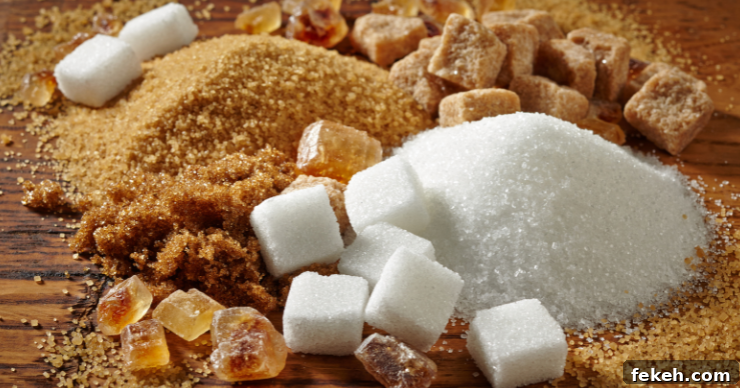
- 18:13: The recommendation is not total elimination of sugar but moderation. Reduce portion sizes and cut added sugar when cooking.
- 19:25: Substituting honey or maple syrup for white sugar provides minimal metabolic difference once it’s consumed. While honey and maple syrup have some trace benefits, they should not be considered magic replacements—budget and practicality matter.
- 21:21: Controlling the sugar content in home-prepared foods helps. Add a bit of jam to plain yogurt or a drizzle of honey to cereal and gradually reduce sweetness over time rather than relying on highly sweetened commercial products.
- 21:54: Teens are heavily influenced by peers and spend more time outside the home. Focus on what you can control—your home environment and the values you teach. Healthy habits formed in childhood often reassert themselves later, even if teens stray for a while.
- 23:03: Build a family culture around food. For example, treating sugary drinks as an occasional treat instead of a routine way to hydrate helps normalize healthier choices.
- 23:51: Sugar impacts many body systems, and children are particularly vulnerable while still developing. Involve kids in choices: offer plain yogurt and let them pick a small amount of jam to add, giving them agency while limiting added sugar.
- 25:29: If children prefer baking to cooking, reduce sugar in recipes and experiment with natural sweeteners such as mashed bananas, applesauce, or dates to lower added sugar while keeping the activity enjoyable.
“I just want my kids to eat what I make!”
Try a short, practical challenge to reduce mealtime battles and help kids build confidence with food.

Join the Challenge!
- 26:41: For resistant teens, link dietary changes to goals they care about—clearer skin, improved focus, or better athletic performance—to motivate change.
- 27:55: Sugar can be inflammatory, potentially worsening skin conditions or asthma, and excess sugar is converted to fat in the liver. While short-term effects may be subtle, long-term sugar overconsumption raises the risk of diabetes and other chronic problems.
- 29:27: Emerging research suggests maternal sugar intake during pregnancy may influence a child’s future metabolic health.
- 33:09: Practical first steps: decide to bring less added sugar into the home. Stop buying juice or soda, review regularly purchased processed foods for added sugar, and gradually replace high-sugar items with less sweet alternatives.
Resources Mentioned About Sugar and Kids
- Dr. Goran’s book: Sugarproof: Protect Your Family From the Hidden Dangers of Excess Sugar with Simple Everyday Fixes.
- Small benefits exist for using honey or maple syrup, but they are not a metabolic cure-all.
- Ideas for reducing sugar include baking with mashed bananas or applesauce and experimenting with date-based sweeteners.
- Information on sugar’s role in inflammation and metabolic health.
- Find more about Dr. Michael Goran and Sugarproof resources through their official sites and social accounts.
 Dr. Michael Goran is Professor and Vice Chair for Research in the Department of Pediatrics at Children’s Hospital of Los Angeles and Program Director for Nutrition and Obesity at The Saban Research Institute. A native of Glasgow, he earned his Ph.D. from the University of Manchester and has led NIH-funded research on infant and childhood nutrition for decades, publishing extensively in peer-reviewed journals. He is the author of Sugarproof and an active advocate for reducing excess sugar exposure in children and families.