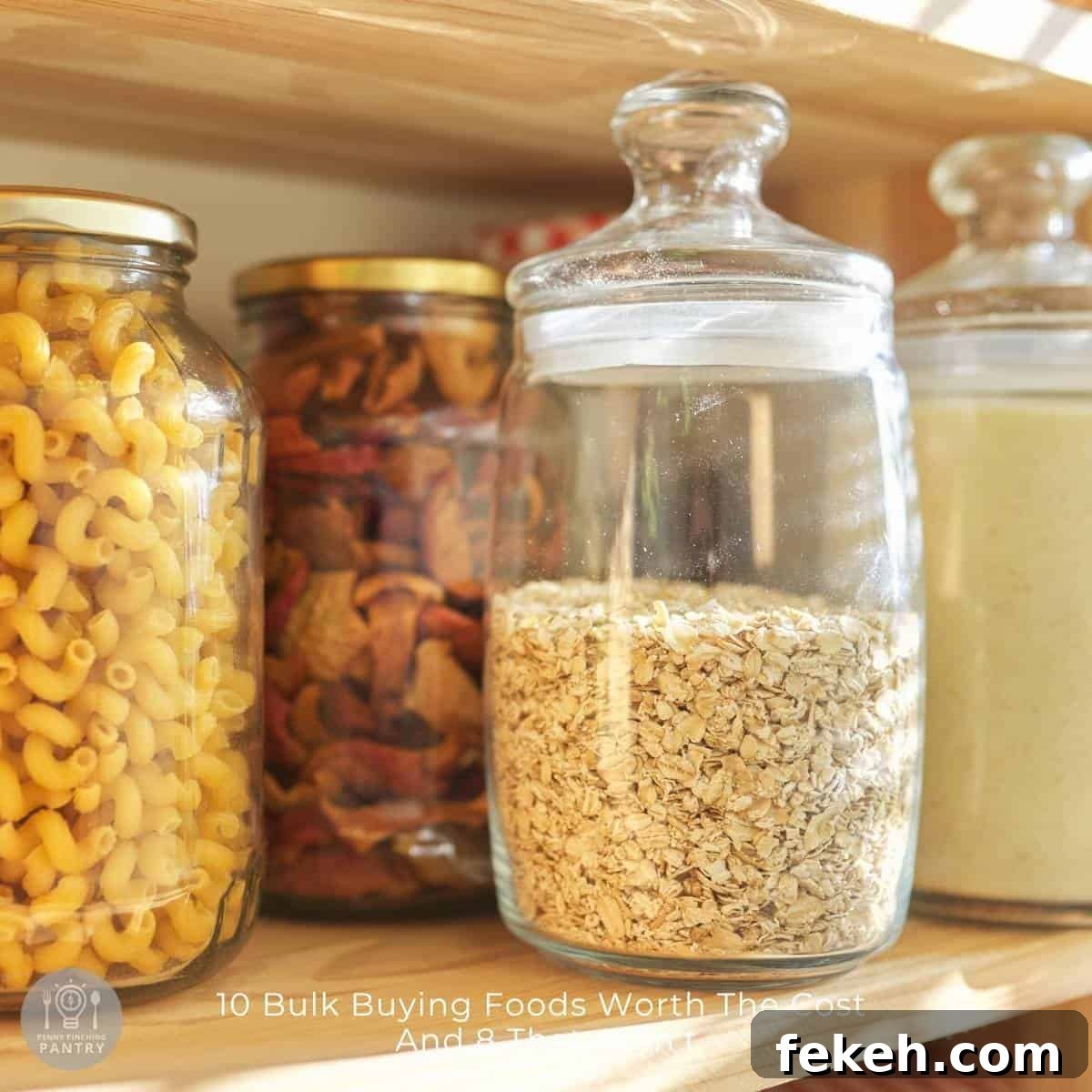
Buying food in bulk can be one of the most effective ways to lower your grocery bill, but the savings only matter when you choose the right items. Some foods spoil quickly or take up valuable space without delivering long-term value. This guide explains which foods are smart to buy in bulk, which ones are better purchased in smaller amounts, and how to store bulk purchases so they stay fresh and cost-effective.
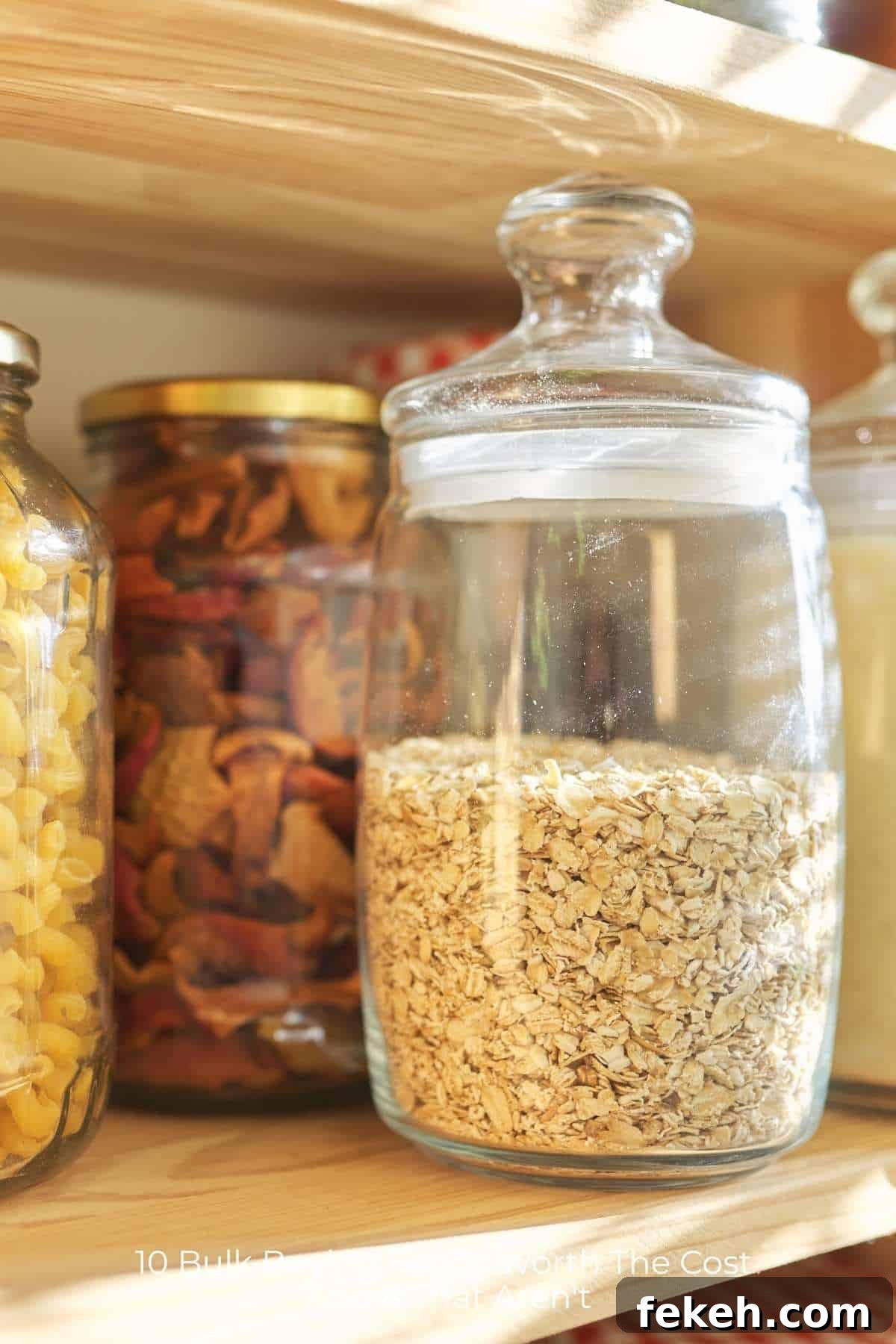
Being a savvy shopper means recognizing which bulk purchases will truly stretch your food budget and which will lead to waste. Bulk buying reduces the per-unit price, but only if you actually use the product before it deteriorates. Focus on long-lasting dry goods, canned items, and products that fit into many different meals to make the most of bulk savings.
Bulk buying foods worth the cost
Not every large container or multipack delivers a good deal once you factor in shelf life and consumption rate. To get real value, buy items that keep well and can be incorporated into a variety of recipes. The list below highlights durable staples that are typically worth buying in larger quantities.
1. Rice
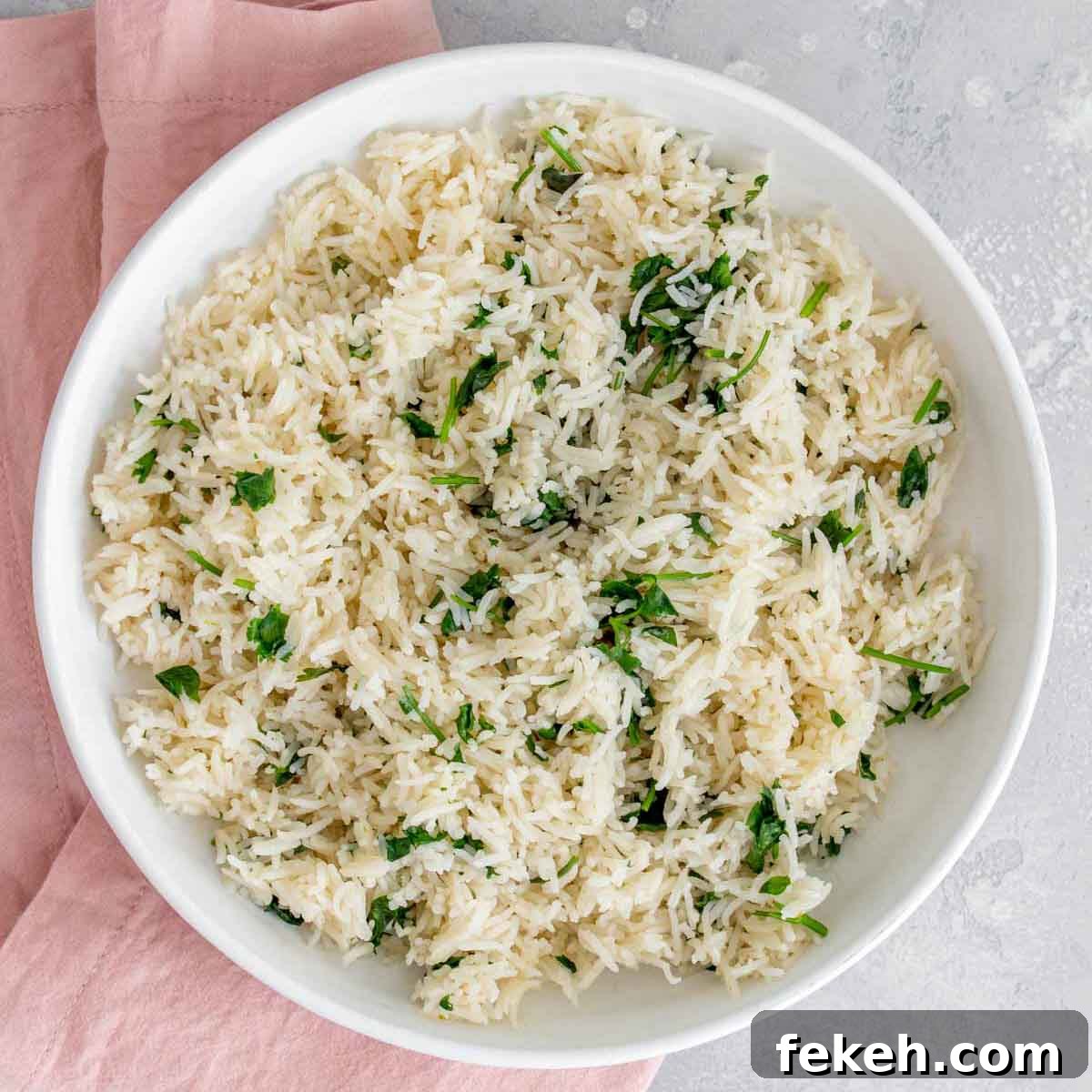
White and brown rice are pantry powerhouses. Properly stored, white rice can remain edible for many years and brown rice will also last significantly longer when kept cool and dry. Using airtight containers and oxygen absorbers extends shelf life, and storing rice at lower temperatures preserves flavor and nutrients. Because rice is versatile—from stir-fries to bowls and side dishes—large bags from club stores often represent excellent value.
2. Pasta
Dried pasta stores well and forms the base of countless quick meals. When stored in cool, dry conditions it can last months to years, depending on the type and packaging. Because pasta is so flexible—you can make simple dinners or more elaborate dishes—buying larger quantities usually lowers the cost per serving and reduces shopping frequency.
3. Beans
Dried beans are inexpensive, nutritious, and extremely shelf-stable when kept dry and sealed. Canned beans also offer long shelf life when cans remain undamaged. Dried beans give you control over texture and seasoning and are often cheaper per serving than canned options. Buy them in bulk when you cook beans regularly or want store-cupboard staples for soups, chilis, and salads.
4. Flour
Buying flour in bulk pays off if you bake often. Flour has a shorter shelf life than rice or pasta—generally several months for most varieties—so only buy large amounts if you use it regularly or have cool storage. For home bakers, bulk flour lowers unit cost and makes it easy to bake fresh loaves, pastries, and other scratch-made items on demand.
Kitchen Tip
Store bulk dry goods like rice, beans, and pasta in airtight containers with labels and purchase dates. This preserves freshness, reduces spoilage, and helps you rotate stock effectively to get the best value from every purchase.
5. Canned vegetables
Canned vegetables are stable, nutritious, and convenient. When cans are intact, these items can remain usable for years. They offer a cost-effective alternative to fresh or frozen produce for soups, stews, casseroles, and side dishes, especially when fresh items would otherwise spoil before use.
6. Canned tomatoes
Canned tomatoes are slightly less long-lived than other canned goods because of acidity, but they still store well for a year or two. They are indispensable for sauces, chilis, and many cooked dishes, so buying them in bulk is often a money-saving choice for home cooks who use tomato-based recipes frequently.
7. Bouillon
Bouillon cubes or granules are a compact, long-lasting way to add broth flavor without storing large cartons. They keep for years and can be used to make soups, stews, sauces, or to enhance grains and vegetables. Their concentrated form makes them a cost-efficient pantry item.
8. Meat
If you have a deep freezer, purchasing meat in bulk can drastically lower the price per pound. Ground beef, whole chickens, and larger cuts are ideal for freezing and portioning for future meals. Properly wrapped and frozen, meat maintains quality for several months, allowing you to plan meals and take advantage of sale prices.
9. Oatmeal
Oats and oatmeal are nutritious, shelf-stable, and useful in a wide variety of recipes—from breakfasts to baked goods. Stored in sealed containers, oats remain fresh for a long time and buying them in larger quantities reduces the overall cost while keeping a healthy breakfast option on hand.
10. Peanut butter
Peanut butter is high in protein and has a decent shelf life unopened, with reasonable longevity after opening if refrigerated or stored in a cool place. It’s versatile in both sweet and savory recipes, making larger jars a sensible purchase for many households.
Bulk savings only matter when the food is actually used before it spoils. Perishables like dairy, fresh bread, and many produce items can end up costing more if they go to waste.
Foods not to buy in bulk
Some foods are better bought in smaller quantities to avoid waste and maintain freshness. Consider frequency of use, spoilage risk, and storage space before committing to large purchases. Below are common items that rarely deliver long-term savings when bought in bulk for most households.
1. Bread
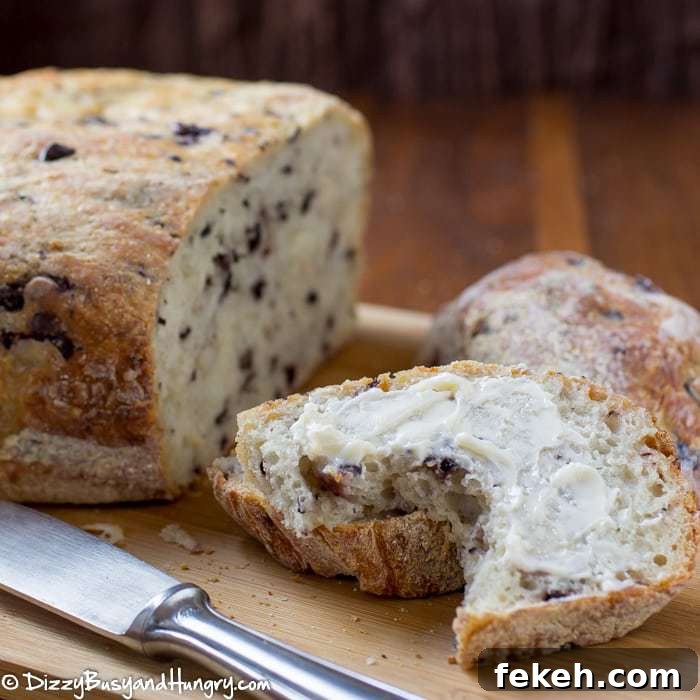
While you can freeze bread, texture and flavor often decline after freezing and thawing. Buying fresh loaves in smaller quantities or baking your own when needed usually provides better taste and reduces waste. For occasional high-volume needs, freezing single portions helps, but routine bulk bread purchases often go uneaten.
2. Herbs and spices
Dried herbs and spices lose potency over time, some much faster than others. Unless you cook frequently and use specific spices often, buying large quantities can result in stale seasonings and wasted money. Buy smaller amounts of fresher spices and replace them more often for better flavor.
3. Fresh produce
Most fresh fruits and vegetables have short shelf lives unless processed or frozen shortly after purchase. Buy produce according to your meal plan, or prepare and freeze surplus portions to avoid spoilage and get the best value from seasonal sales.
4. Chips and candy
Snack foods are easy to overconsume when purchased in bulk. Even if they store well, buying large quantities often leads to eating more and losing budget control. For most households, smaller packages help manage portions and prevent wasteful overspending.
5. Nutella and similar spreads
Some spreads can change texture or separate over time, especially if stored for long periods. For best flavor and consistency, opt for smaller jars unless you are sure you will use the product fairly quickly.
6. Soda
Soda is often cheapest during store promotions rather than in bulk packs year-round. Buying sodas on sale or in smaller quantities reduces storage needs and can be a smarter way to capture low prices without tying up pantry space.
7. Dairy
Dairy products spoil quickly, making them a poor choice for bulk purchases unless you have a plan to freeze or use them promptly. Spoilage equals wasted money, so buy dairy in amounts that match your consumption or consider long-life alternatives where appropriate.
8. Nuts
Nuts are nutrient-dense but can go rancid within months if not stored properly. If you use nuts frequently—baking, making nut milk, or snacking—buying in bulk and freezing portions can be worthwhile. Otherwise, smaller packages help keep them fresh and reduce waste.
Save money by shopping smart
Smart bulk buying means prioritizing durability, versatility, and regular use. Choose pantry staples that store well and appear in many recipes, and avoid loading up on perishables or items you seldom eat. Proper storage—airtight containers, cool temperatures, and clear labeling—maximizes shelf life and ensures you get the most value from each purchase.
By distinguishing between long-lasting staples and short-lived items, you can reduce food waste, lower your grocery bill, and build a pantry that supports healthy, budget-friendly meals.
Thanks for reading. Happy saving and smart shopping!